


As a professional manufacturer in the home and garden decorative lighting sector, XINSANIXNG Lighting brings 19 years of experience in product R&D and manufacturing, backed by comprehensive service support. Our extensive export experience helps you save time and effort.
One of the first questions buyers ask when sourcing lighting products from China is: "Do you offer OEM or ODM services?"
It's an important question—but many buyers don't fully understand the difference.
In practice, OEM and ODM are not competing manufacturing models. They are two different approaches to developing products, and each serves a different business objective.
Choosing the wrong model can increase development costs, delay product launches, or limit future brand growth. Choosing the right one can shorten lead times, improve margins, and help build a stronger product portfolio.

This guide explains OEM and ODM from a buyer's perspective, compares their strengths and limitations, and helps you decide which model best fits your business.
OEM and ODM in One Minute
If you're looking for the simplest explanation, here it is.
| OEM | ODM |
| You provide the product concept or design. | The manufacturer already has a product design. |
| The factory manufactures according to your specifications. | The factory modifies an existing design to meet your branding or functional requirements. |
| Greater exclusivity and brand differentiation. | Faster product launch and lower development cost. |
For many buyers, the decision is not about which model is better—it is about which one matches their business stage.
What Is OEM Lighting Manufacturing?
OEM stands for Original Equipment Manufacturing.
In an OEM project, the buyer defines what they want to build, while the manufacturer provides the engineering, production, and quality control needed to turn that concept into a finished product.
Depending on the project, the buyer may provide:
· Product drawings
· 3D models
· Design sketches
· Technical specifications
· Material requirements
· Packaging artwork
The factory then develops samples, tests the product, prepares production tooling if necessary, and manufactures the finished goods.
OEM is common among:
· Established lighting brands
· Retail chains
· Hospitality suppliers
· Interior design companies
· Large wholesalers
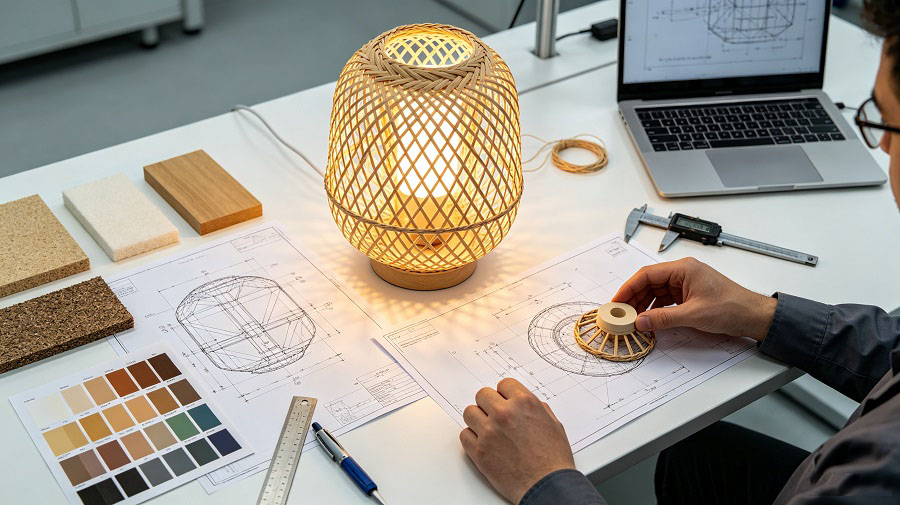
OEM lighting product development from design drawing to finished prototype
Advantages of OEM Manufacturing
Product Exclusivity
One of the biggest advantages of OEM is that competitors cannot simply purchase the same product from the manufacturer's catalog.
Exclusive products help brands compete on design rather than price.
Stronger Brand Identity
Custom products create a consistent design language across your collection.
This is particularly valuable for brands that want customers to recognize their products immediately.
Better Control
OEM projects allow buyers to specify:
· Dimensions
· Materials
· Colors
· Electrical components
· Packaging
· Branding
This level of control is difficult to achieve with standard catalog products.
Long-Term Value
Although OEM projects require more planning, they often generate higher profit margins because the products are unique.
Challenges of OEM Manufacturing
OEM is not the right choice for every project. Consider these factors:
· Higher development costs
· Longer sampling period
· Engineering revisions
· Larger investment
· Longer time to market
For businesses launching their first lighting collection, these requirements may exceed available resources.
What Is ODM Lighting Manufacturing?
ODM stands for Original Design Manufacturing.
In this model, the manufacturer has already developed the product. Instead of starting from a blank page, buyers select an existing design and request modifications.
Common modifications include:
· Brand logo
· Product color
· Surface finish
· Lamp holder type
· Cable color
· Packaging
· Labels
ODM allows buyers to launch products much more quickly than OEM.
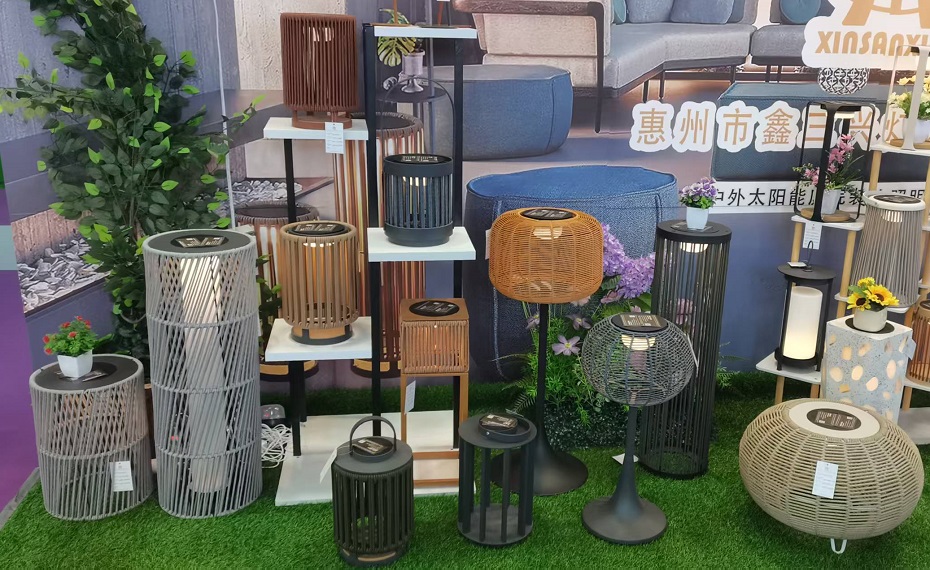
Advantages of ODM Manufacturing
Faster Time to Market
Because the product already exists, development focuses mainly on customization rather than engineering. This significantly shortens lead times.
Lower Development Costs
ODM projects avoid many of the expenses associated with new product development. This makes them attractive for:
· New brands
· Small wholesalers
· Online retailers
· Market testing
Lower Risk
Choosing a product with an existing production history often reduces manufacturing uncertainty. Materials, tooling, and production methods have already been validated.
Limitations of ODM Manufacturing
Although ODM offers speed, it also has trade-offs.
--1. Products may not be completely unique.
--2. Other buyers may purchase similar designs from the same manufacturer, although many factories offer exclusive arrangements for strategic customers.
If exclusivity is central to your business strategy, discuss this before placing an order.
OEM vs ODM: Side-by-Side Comparison
| Feature | OEM | ODM |
| Product Design | Buyer | Manufacturer |
| Development Cost | Higher | Lower |
| Time to Market | Longer | Shorter |
| Product Exclusivity | Excellent | Moderate |
| Design Flexibility | Excellent | Good |
| Engineering Work | Extensive | Minimal |
| Best For | Established brands | Startups & distributors |
This comparison provides a useful starting point, but the right decision also depends on your business goals.
Which Model Is Best for Different Buyers?
Retail Brands
Retailers seeking exclusive collections generally benefit from OEM.
Exclusive products reduce direct price competition and strengthen brand recognition.
Designers
Many design firms combine both approaches.
They may use ODM for standard projects and OEM for signature hospitality or residential developments.
Online Sellers
Businesses testing new product categories often choose ODM because it requires less upfront investment.
Once sales increase, successful products may evolve into OEM projects.
Wholesalers
Large distributors frequently begin with ODM to evaluate demand before investing in custom product development.
This staged approach reduces financial risk.
Can OEM and ODM Be Combined?
Absolutely. Many successful lighting brands begin with ODM and gradually transition to OEM.
A common progression looks like this:
1. Launch a proven ODM product.
2. Gather customer feedback.
3. Improve the design.
4. Develop an exclusive OEM version.
5. Expand into a complete branded collection.
This approach balances speed with long-term differentiation.
How XINSANXING Lighting Supports Both OEM and ODM Projects
Every buyer has different objectives. Some require completely original products, while others want to launch quickly using proven designs.
XINSANXING Lighting Factory supports both approaches.
For OEM projects, the team assists with:
· Product engineering
· Prototype development
· Material selection
· Structural optimization
· Production planning
For ODM projects, buyers can select from existing decorative lighting collections and customize finishes, branding, packaging, and selected design details.
This flexibility allows customers to choose the manufacturing model that best matches their budget, timeline, and market strategy.


Frequently Asked Questions
No. OEM offers greater customization, while ODM provides faster market entry and lower development costs. The right choice depends on your business objectives.
ODM is often the preferred option because it reduces initial investment and shortens product development time.
Yes. Many brands begin with ODM and move to OEM after validating market demand.
Not necessarily. Packaging specifications should be confirmed separately during product development.
Yes. Both models support private label branding.
Discuss your sales goals, budget, timeline, and customization requirements with your manufacturing partner before development begins.
Conclusion
OEM and ODM are not competing solutions—they are tools that support different stages of business growth.
If your priority is speed, lower investment, and market testing, ODM is often the smarter choice.
If your goal is to build a distinctive brand with exclusive products and long-term competitive advantages, OEM offers greater flexibility and control.
Many successful lighting companies use both models strategically, starting with ODM and gradually developing OEM collections as their business expands.
By understanding the strengths of each approach and working with an experienced manufacturing partner, you can choose a sourcing strategy that supports both your immediate objectives and your long-term brand vision.
Looking for a professional Lighting fixtures manufacturer?
Recommended Content:
If You Are in Business, You May Like

Post time: Jul-10-2026