


As a professional manufacturer in the home and garden decorative lighting sector, XINSANIXNG Lighting brings 19 years of experience in product R&D and manufacturing, backed by comprehensive service support. Our extensive export experience helps you save time and effort.
Private Label Lighting Manufacturing Guide: How to Build Your Own Lighting Brand with the Right OEM Partner
Walk through the lighting aisles of a home décor retailer in Europe, browse an online furniture store in North America, or visit a boutique hotel in Southeast Asia, and you'll notice something interesting—many of the lighting brands on display don't own factories.
Instead, they own something more valuable: a brand.
Behind those brands are specialized manufacturers who turn ideas, sketches, and market insights into finished products ready for sale.
Private label manufacturing has become one of the fastest ways for retailers, wholesalers, designers, and e-commerce businesses to build exclusive product lines without investing in their own production facilities. But success depends on more than printing a logo on a box. It requires choosing the right manufacturing partner, developing products strategically, and establishing processes that ensure consistent quality over time.
This guide explains how private label lighting manufacturing works, what buyers should expect at each stage, and how to avoid the common mistakes that prevent new brands from scaling successfully.
What Private Label Really Means in the Lighting Industry
Many buyers assume private label simply means adding their logo to an existing product. In reality, there are several levels of private labeling.
Level 1 – Brand Identity
The simplest approach includes:
· Custom logo labels
· Branded packaging
· User manuals
· Carton printing
· Hang tags
This option allows businesses to launch quickly while minimizing development costs.
Level 2 – Product Customization
As brands grow, they often begin modifying products. Examples include:
· New lamp dimensions
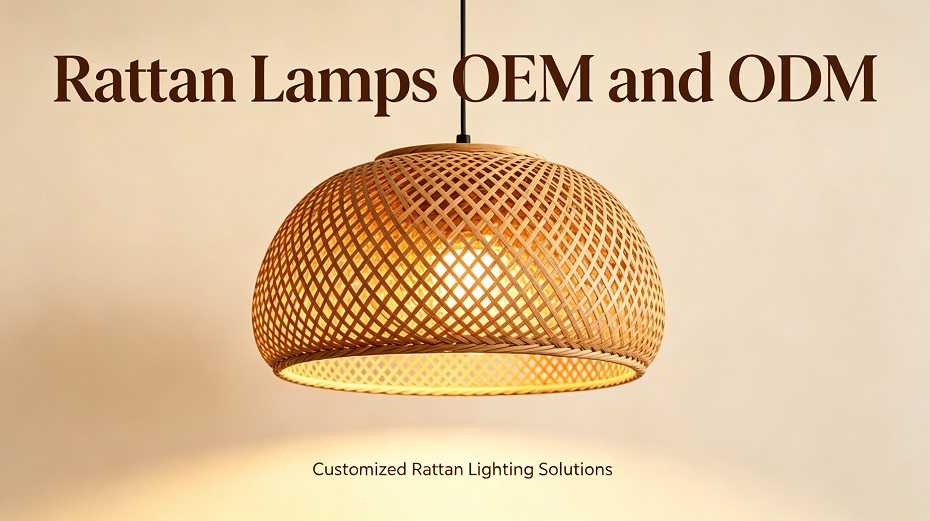
· Different woven patterns
· Exclusive colors
· Alternative materials
· New finishes
· Updated hardware
These changes help distinguish products from competitors selling identical catalog items.
Level 3 – Exclusive Product Development
Established brands often commission products that cannot be purchased by other customers. These projects usually involve:
· Original design concepts
· Engineering support
· Prototype development
· Tooling
· Exclusive production agreements
Although development requires more time and investment, exclusive collections create stronger competitive advantages and improve long-term brand value.
When Does Private Label Make Sense?
Not every business should launch a private label immediately.
It becomes worthwhile when your business reaches a point where product differentiation is more valuable than simply competing on price.
Typical buyers include:
· Furniture retailers
· Lighting distributors
· Interior design studios
· Hotel procurement companies
· Home décor brands
· Amazon and Shopify sellers
If your customers can easily find the same product from dozens of competitors, your pricing power becomes limited. Private label changes that equation.
Choosing the Right Manufacturing Partner
The success of a private label program depends largely on the manufacturer behind it. Many buyers focus heavily on quotation prices while overlooking factors that affect long-term profitability.
Instead, evaluate suppliers using four questions.
1. Can the Factory Develop Products?
Some factories can only manufacture products based on existing designs. Others, however, possess engineering teams capable of handling everything from prototype development and design modifications to material recommendations and structural improvements—effectively transforming creative concepts into production-ready products.
As your brand grows, these development capabilities will become increasingly important.
2. Does the Factory Understand Your Market?
Manufacturers serving Europe, North America, and Australia often understand market expectations regarding:
· Safety standards
· Packaging quality
· Product presentation
· Retail requirements
Factories with export experience can often identify potential problems before production begins.
3. Is Communication Structured?
Good communication is rarely about replying quickly. It is about documenting every important detail before production starts.
Professional manufacturers usually provide:
· Technical drawings
· Material confirmations
· Color approvals
· Packaging specifications
· Production schedules
Well-documented projects reduce misunderstandings later.
4. Can Production Scale With Your Business?
Launching a private label is only the beginning. Ask whether the manufacturer can support:
· Larger production runs
· Seasonal demand
· Multiple product collections
· New product development
Changing factories after your brand grows can be expensive and disruptive.
Product Development: Where Strong Brands Separate Themselves
Many buyers underestimate how much time should be spent before production. Successful private label brands usually spend more time refining products than negotiating prices.
These issues are more worthy of in-depth exploration:
· Does the lamp fit current interior trends?
· Can the structure reduce shipping costs?
· Is assembly easy for customers?
· Can packaging better protect the product?
· Are replacement parts available?
These improvements may seem minor individually, but together they significantly improve customer satisfaction.
Packaging Is Part of the Product
For online retailers especially, packaging directly affects customer perception.
A well-designed package should accomplish three things:
· Protect the product during transportation.
· Reinforce the brand.
· Simplify warehousing and fulfillment.
Private label packaging often includes:
· Branded cartons
· Product labels
· Care instructions
· QR codes
· Warranty cards
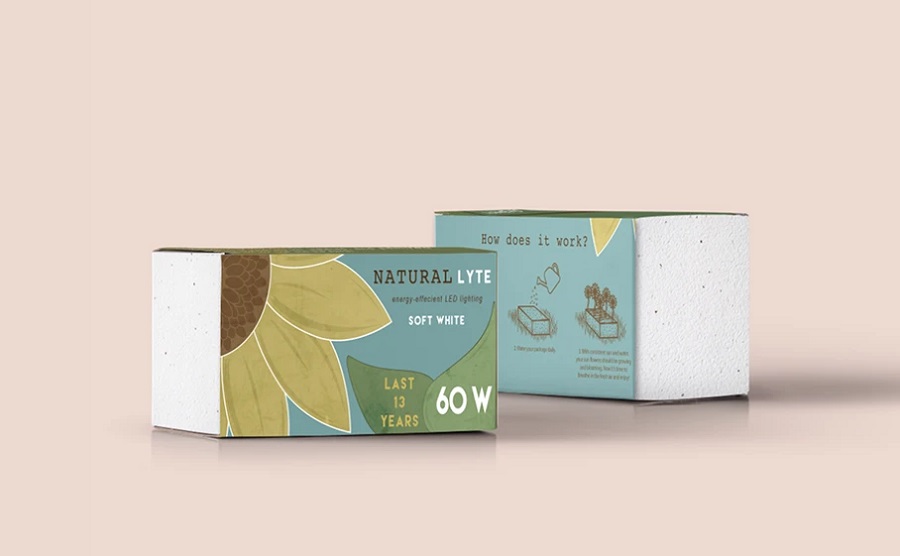
Image source: Google
Quality Control Should Be Planned Before Production Begins
Quality cannot be inspected into a product after it is finished. Instead, expectations should be defined before manufacturing starts.
Professional buyers usually establish approval standards covering:
· Dimensions
· Material quality
· Weaving consistency
· Color tolerance
· Electrical safety
· Packaging appearance
For handcrafted products such as rattan lighting, acceptable variation should also be discussed in advance. Natural materials create unique textures, and understanding this prevents unnecessary disputes later.
Understanding Minimum Order Quantities
MOQ is often misunderstood. Factories set minimum quantities for practical production reasons rather than arbitrary policies.
Factors affecting MOQ include:
· Material purchasing
· Production efficiency
· Packaging setup
· Labor allocation
If your order does not initially meet MOQ requirements, ask whether adjustments are possible through mixed models or phased production.
Many experienced manufacturers are willing to explore flexible solutions for long-term partners.
Mistakes That Hold Private Label Brands Back
Copying Existing Products Without a Strategy
If your catalog looks identical to everyone else's, customers will compare only prices.
A successful brand should offer something recognizable.
Selecting a Factory Only Because It Is Cheapest
The lowest quotation often becomes the highest total cost after accounting for quality issues, shipping delays, or product returns.
Expanding Too Quickly
Launching twenty products at once may appear ambitious, but managing inventory, marketing, and quality becomes more difficult.
Many successful brands begin with a focused collection before expanding.
Ignoring Long-Term Relationships
Manufacturing works best as a partnership.
Factories that understand your standards, customers, and brand goals often become more efficient over time.
Investing in long-term collaboration usually delivers better results than changing suppliers every year.
Why More Brands Are Choosing Specialized Lighting Manufacturers
General manufacturers may produce hundreds of product categories. Specialized lighting manufacturers focus on one industry, allowing them to develop deeper technical knowledge and more refined production processes.
For decorative lighting, specialization often means:
· Better craftsmanship
· More consistent quality
· Faster sampling
· Better understanding of lighting trends
· Greater flexibility in customization
For brands built around natural materials such as rattan or bamboo, this expertise becomes a competitive advantage rather than simply a manufacturing service.
How XINSANXING Supports Private Label Lighting Projects
XINSANXING Lighting Factory works with wholesalers, retailers, hospitality groups, designers, and private-label brands seeking handcrafted decorative lighting.
The factory supports projects from initial concept through mass production, offering services that include:
· Product customization
· Prototype development
· Private label packaging
· OEM manufacturing
· ODM collaboration
· Export support
· Quality control
With extensive experience in woven rattan and bamboo lighting, the company helps customers develop collections that align with both market trends and brand positioning rather than simply reproducing existing catalog products.
Frequently Asked Questions
XINSANXING Lighting offers flexible solutions that allow small businesses to launch their own branded product lines before expanding their operations.
OEM refers to manufacturing products for another brand, while private label focuses on selling those products under your own brand identity. Many projects combine both approaches.
Depending on customization requirements, development and production typically take between six and ten weeks after design approval.
Not necessarily. Many manufacturers can modify existing designs or collaborate on new concepts. XINSANXING Lighting has its own engineering design department, which can realize the creative ideas of its clients.
Yes. Specialized manufacturers often support exclusive product development through OEM and ODM services.
Long-term reliability. Competitive pricing matters, but consistent quality, communication, and development capability usually have a greater impact on business success. If you are looking for a professional manufacturer of rattan lamps, XINSANXING Lighting is your most reliable partner.
Conclusion
Private label lighting is not simply a manufacturing arrangement—it is a long-term brand-building strategy.
The businesses that succeed are rarely those that chase the lowest production cost. Instead, they focus on developing products customers remember, building strong relationships with experienced manufacturers, and creating collections that competitors cannot easily replicate.
Choosing a manufacturing partner with technical expertise, customization capabilities, and a proven quality system gives your brand the foundation it needs to grow sustainably in an increasingly competitive lighting market.
Looking for a professional rattan lamp manufacturer?
Recommended Content:
If You Are in Business, You May Like
Post time: Jun-27-2026