


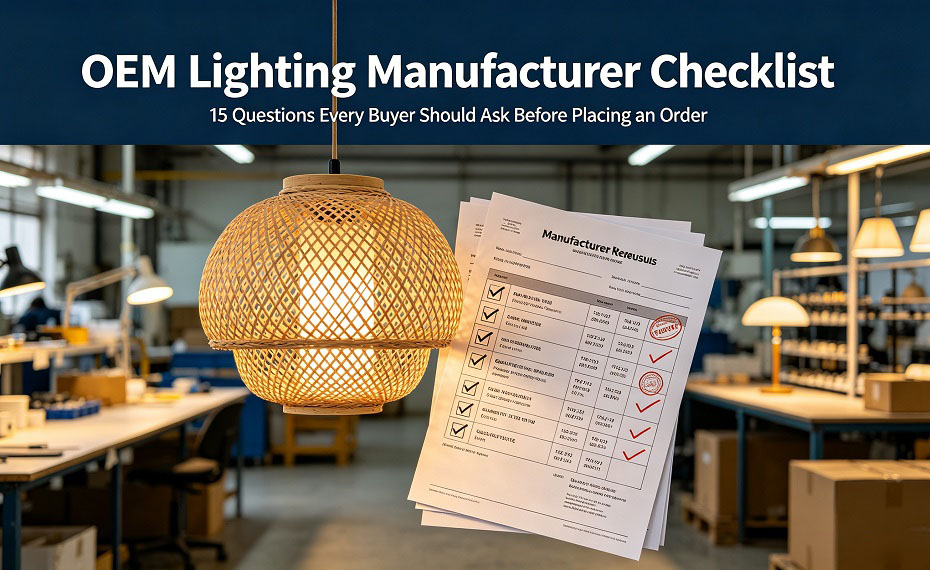
As a professional manufacturer in the home and garden decorative lighting sector, XINSANIXNG Lighting brings 19 years of experience in product R&D and manufacturing, backed by comprehensive service support. Our extensive export experience helps you save time and effort.
Finding an OEM lighting manufacturer is relatively easy. Finding one that can consistently deliver quality products, meet delivery schedules, support product development, and grow alongside your business is much more difficult.
Many sourcing problems don't begin on the production line—they begin during the supplier selection process. Buyers often compare prices while overlooking critical factors such as engineering capability, quality systems, communication efficiency, and production capacity.
Experienced importers approach supplier evaluation differently. Instead of asking, "Who offers the lowest quotation?" they ask, "Who can become a reliable long-term manufacturing partner?"
This checklist is designed to help wholesalers, lighting brands, distributors, interior design companies, and hospitality buyers evaluate OEM lighting manufacturers before committing to production.
Why an OEM Evaluation Checklist Matters
Changing suppliers after mass production has started is expensive.
Problems such as inconsistent quality, delayed deliveries, certification failures, or communication breakdowns often originate from insufficient supplier evaluation.
A structured checklist helps buyers:
· Reduce sourcing risks
· Compare suppliers objectively
· Improve product consistency
· Protect brand reputation
· Build long-term manufacturing partnerships
Think of this checklist as an investment in future stability rather than an administrative task.
1. Does the Supplier Own Its Factory?
Not every company advertising OEM services is an actual manufacturer. Some are trading companies coordinating production through third-party factories.
Ask for:
· Factory registration
· Production workshop photos
· Live video factory tours
· Manufacturing equipment
· Employee information
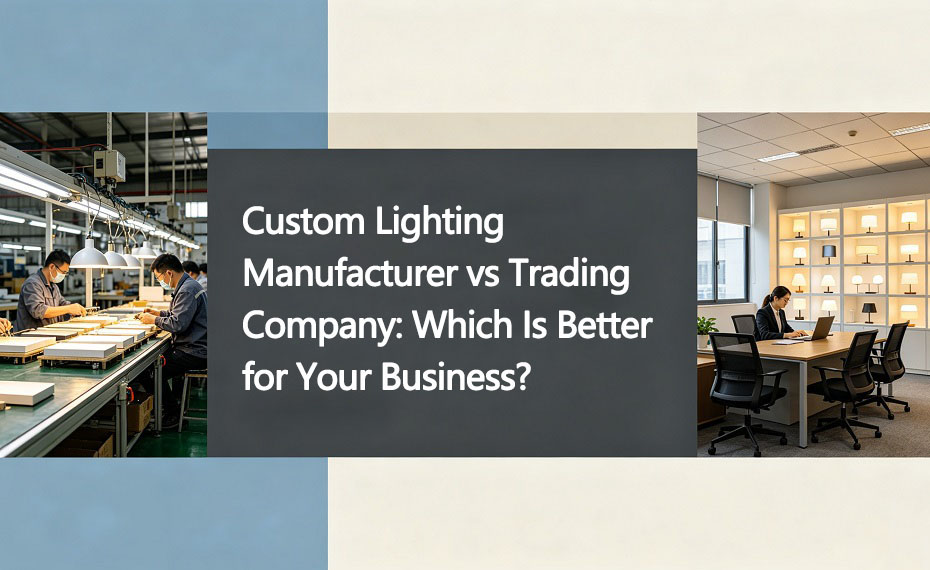
Direct manufacturers generally provide greater visibility into production and quality management.
2. Does the Factory Specialize in Your Product Category?
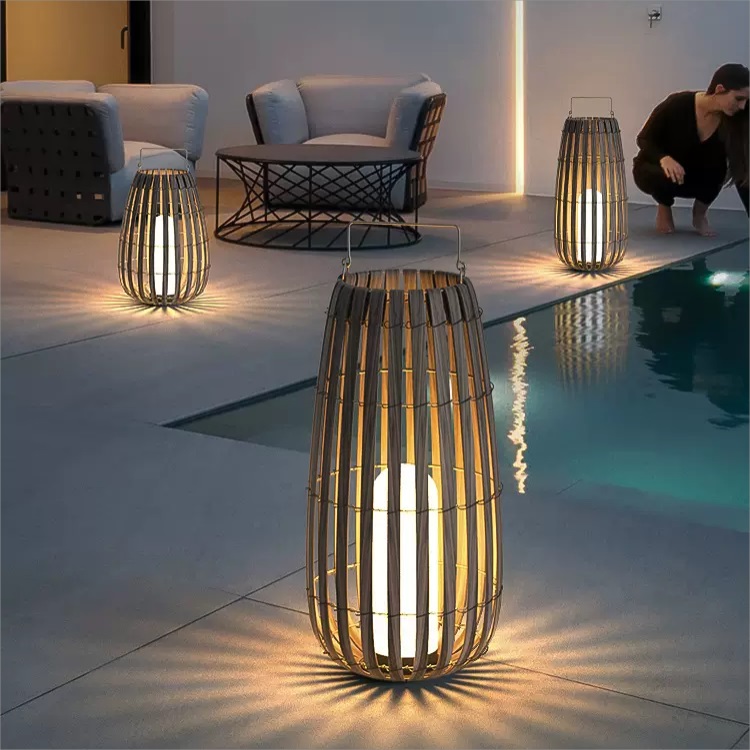
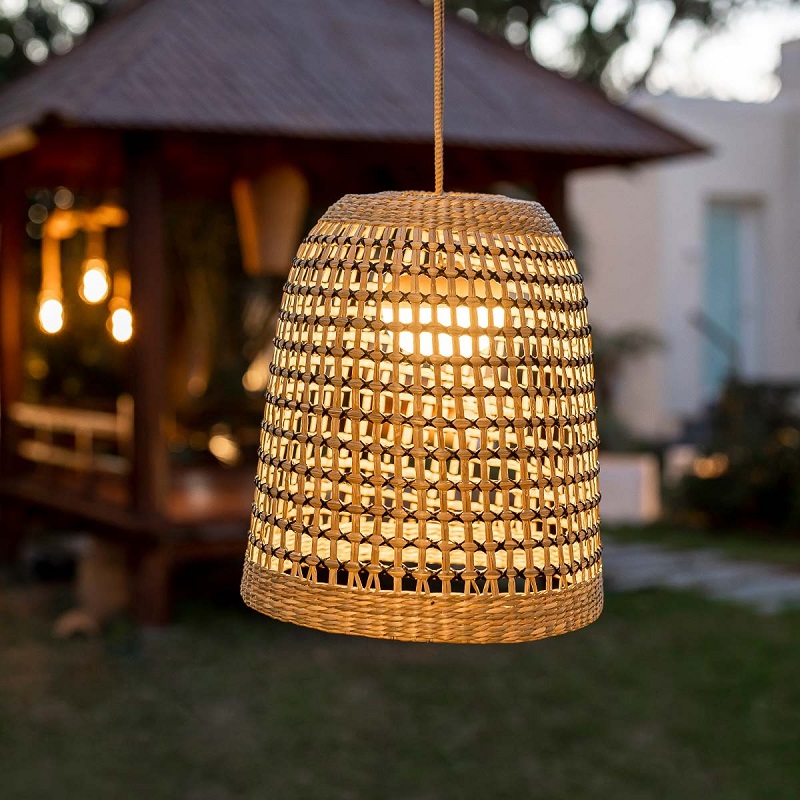
Specialization often leads to higher product quality. For example, a factory focusing on handcrafted decorative lighting will usually have more experience with: Rattan pendant lamps, Bamboo lighting, Woven lanterns, Decorative floor lamps.
Ask the supplier:
· Which products represent your core business?
· What percentage of production comes from this category?
· Can you provide recent project examples?
A specialist is generally better equipped to solve technical challenges than a general manufacturer.
3. Can the Manufacturer Support Product Development?
OEM manufacturing is rarely limited to reproducing existing products. Your supplier should also be able to assist with:
· Design optimization
· Material selection
· Structural improvements
· Prototype development
· Cost engineering
Ask whether the factory has engineers or product development specialists involved in customer projects.
4. How Strong Is the Quality Control System?
Quality should be managed throughout production—not just inspected at the end. Ask suppliers to explain how they control quality during:
· Incoming material inspection
· Production
· Electrical testing
· Final assembly
· Packaging
Request photographs or videos of the inspection process if possible.
5. Are Certifications Available for Your Target Market?
Certification requirements vary depending on where products will be sold. Discuss compliance before production begins.
Typical certifications include:
| Destination Market | Common Certifications |
| European Union | CE, RoHS |
| United States | UL, ETL |
| Australia | SAA |
| United Kingdom | UKCA |
Ask for:
· Test reports
· Certification numbers
· Validity dates
· Testing laboratory information
Never assume certifications apply to every product in a supplier's catalog.
6. How Are Samples Managed?
Professional manufacturers treat sampling as part of product development rather than a sales exercise.
A good sample process includes:
· Technical drawing confirmation
· Material approval
· Functional testing
· Customer feedback
· Revision if necessary
Skipping these steps often creates problems during mass production.
7. Can the Factory Scale With Your Business?
Today's 100-piece order may become tomorrow's 5,000-piece project. Ask about:
· Monthly production capacity
· Peak season planning
· Number of production lines
· Workforce size
Growth should not require changing suppliers.
8. What Packaging Options Are Available?
Packaging influences both product protection and brand perception.
Ask whether the manufacturer can provide:
· Private label cartons
· Printed instruction manuals
· Barcode labels
· Custom color boxes
· Sustainable packaging materials
For e-commerce sellers, protective packaging is especially important.

OEM lighting products packaged for international export
9. How Does the Factory Handle Communication?
Communication quality often predicts production quality.
Evaluate:
· Response speed
· Technical knowledge
· Attention to detail
· Documentation quality
Professional manufacturers usually summarize key decisions in writing before production begins.
10. Can They Provide Customer References or Case Studies?
While confidentiality may limit customer names, experienced manufacturers can often share:
· Hospitality projects
· Retail collaborations
· Export markets
· Product development stories
Real examples provide confidence in the supplier's experience.
11. Is Pricing Transparent?
The lowest quotation is not always the lowest overall cost.
Clarify:
· Sample fees
· Tooling charges
· Packaging costs
· Shipping terms
· Payment conditions
Transparent quotations reduce misunderstandings later.
12. How Are Production Changes Managed?
Changes are inevitable during product development.
Ask:
· How are engineering changes documented?
· Who approves modifications?
· Will revised samples be produced?
A structured change process prevents production errors.
13. What Happens If Quality Issues Are Found?
No production process is perfect. The important question is how the manufacturer responds.
Ask about:
· Corrective actions
· Replacement policies
· Root cause analysis
· Continuous improvement procedures
Reliable manufacturers solve problems rather than avoiding responsibility.
14. Does the Factory Understand Your Brand Positioning?
Premium brands often require different manufacturing standards than discount retailers.
Discuss:
· Target customer
· Retail price range
· Product expectations
· Packaging requirements
Manufacturers who understand your business goals usually provide more relevant recommendations.
15. Are You Comfortable Building a Long-Term Partnership?
Finally, ask yourself a simple question. If your business doubled next year, would you feel confident relying on this manufacturer?
Long-term trust is difficult to measure but often determines sourcing success more than any individual specification.
Why XINSANXING Meets the Requirements of Professional OEM Buyers
For businesses developing decorative lighting collections, XINSANXING Lighting Factory combines handcrafted expertise with structured manufacturing processes.
We offers:
· OEM manufacturing
· ODM development
· Private label services
· Prototype development
· Quality inspection
· Export documentation
· International project experience
With a focus on rattan, bamboo, and woven lighting, the team supports customers seeking both standard production and customized product development.
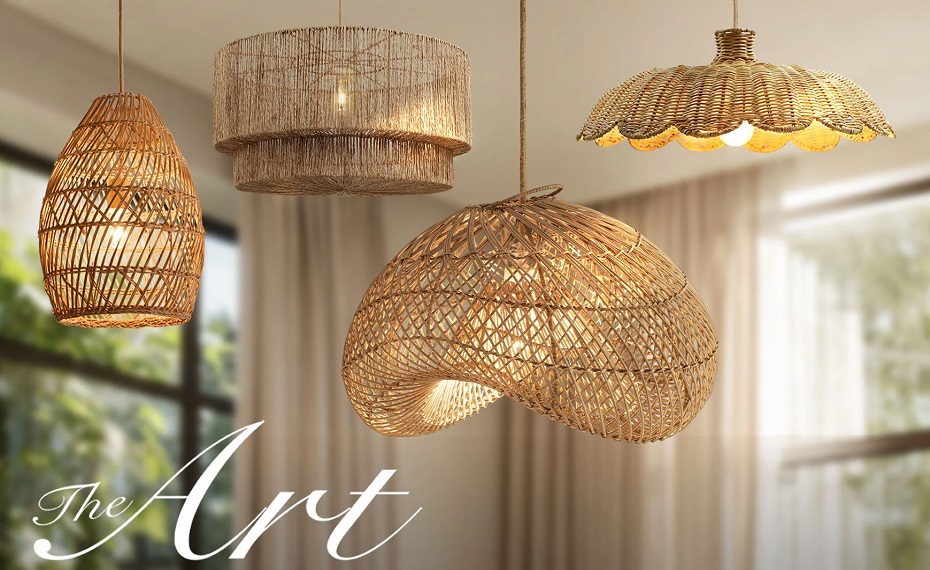

OEM Manufacturer Evaluation Checklist
Before placing an order, confirm that your supplier can answer "Yes" to the following:
· Own manufacturing facilities
· Specialized lighting expertise
· Product development capability
· Documented quality control system
· Relevant certifications
· Sample approval process
· Scalable production capacity
· Flexible packaging options
· Clear communication
· Transparent quotations
· Structured change management
· After-sales support
· Export experience
· Long-term partnership mindset
If several items remain unanswered, continue evaluating before proceeding with production.
Frequently Asked Questions
OEM (Original Equipment Manufacturer) is contract manufacturing, where the customer provides the complete design and solution, and the factory is only responsible for processing and production. ODM (Original Design Manufacturer), on the other hand, involves the factory providing the complete design, and the customer simply takes an existing product and puts their own company's brand on it.
A factory visit is ideal for large projects, but live video tours and third-party audits can also provide valuable verification.
Most buyers begin with one or two samples, followed by revised versions if changes are required.
Selecting a supplier based only on price instead of manufacturing capability and long-term reliability.
Yes. Many manufacturers support startups through flexible MOQs and phased production plans.
Establish key performance indicators such as quality, delivery, communication, and responsiveness, then review them regularly throughout the partnership.
Conclusion
Selecting an OEM lighting manufacturer should never be treated as a one-time purchasing decision.
The best suppliers become strategic partners—helping improve products, streamline production, solve technical challenges, and support long-term business growth.
Using a structured evaluation checklist allows buyers to move beyond price comparisons and make sourcing decisions based on capability, reliability, and future potential.
Looking for a professional rattan lamp manufacturer?
Recommended Content:
If You Are in Business, You May Like

Post time: Jul-03-2026