


How To Find A Reliable Lighting Manufacturer In China: A Complete Supplier Verification Guide
China remains the world's largest lighting manufacturing hub, supplying products to wholesalers, retailers, lighting brands, e-commerce businesses, hotels, and construction projects worldwide.
However, finding a reliable lighting manufacturer in China can be challenging.
Thousands of suppliers claim to be factories, but not all possess the production capabilities, quality systems, or export experience necessary to support long-term business growth.
Choosing the wrong supplier can result in delayed shipments, inconsistent quality, certification issues, and costly product failures.
This guide explains how professional buyers evaluate lighting manufacturers and identify reliable long-term manufacturing partners.
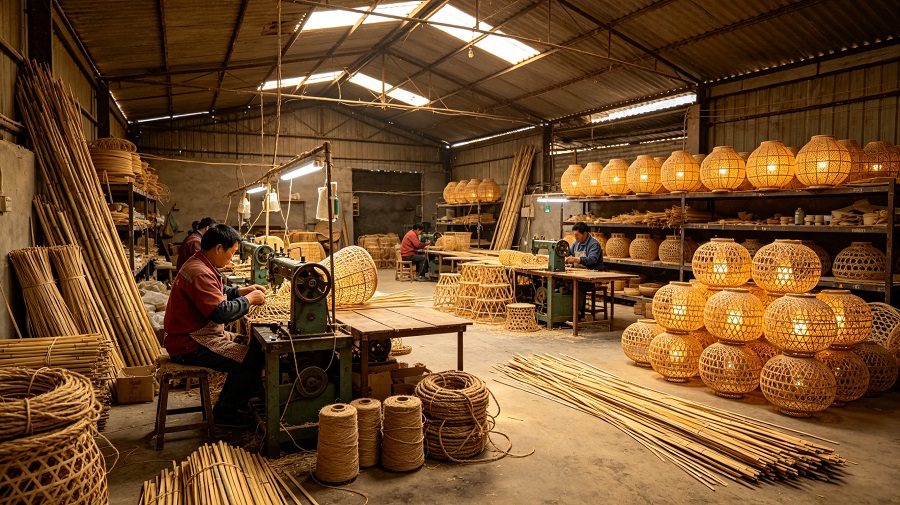
Why Choosing the Right Lighting Manufacturer Matters
A manufacturer is more than just a supplier. The right factory becomes a strategic business partner that helps improve product quality, accelerate product development, and support brand growth.
Reliable manufacturers provide:
· Consistent product quality
· Stable production schedules
· Better communication
· Competitive pricing
· Compliance support
· Product development assistance
The wrong supplier often creates hidden costs that outweigh any initial price savings.
Step 1: Verify Whether the Supplier Is a Real Factory
One of the biggest mistakes buyers make is assuming every supplier is a manufacturer. Many online suppliers are trading companies that outsource production to multiple factories.
This creates additional risks:
· Less control over production
· Longer lead times
· Higher costs
· Inconsistent quality
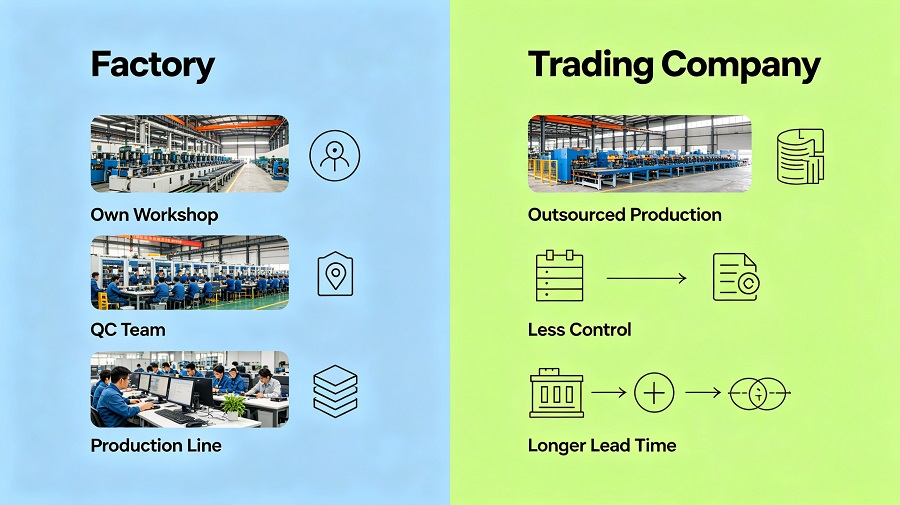
Factory vs Trading Company
How to Verify a Factory
Ask for:
· Factory photos
· Workshop videos
· Production line images
· Company registration documents
· Factory audit reports
A legitimate manufacturer should willingly provide these materials.
Request a Video Factory Tour
Video calls have become one of the most effective supplier verification tools. During the tour, ask to see:
Production areas
Warehouses
Quality inspection stations
Packaging departments
Raw material storage
Real factories generally have no issue showing their facilities.
Step 2: Evaluate Manufacturing Experience
Experience significantly affects production quality and reliability. Manufacturers with extensive experience usually possess:
· Mature production systems
· Skilled workers
· Established supplier networks
· Better quality control procedures
When evaluating suppliers, ask:
· How many years have you been manufacturing lighting products?
· Which markets do you serve?
· What product categories do you specialize in?
A factory specializing in decorative woven lighting, for example, often delivers better results than a general lighting producer.
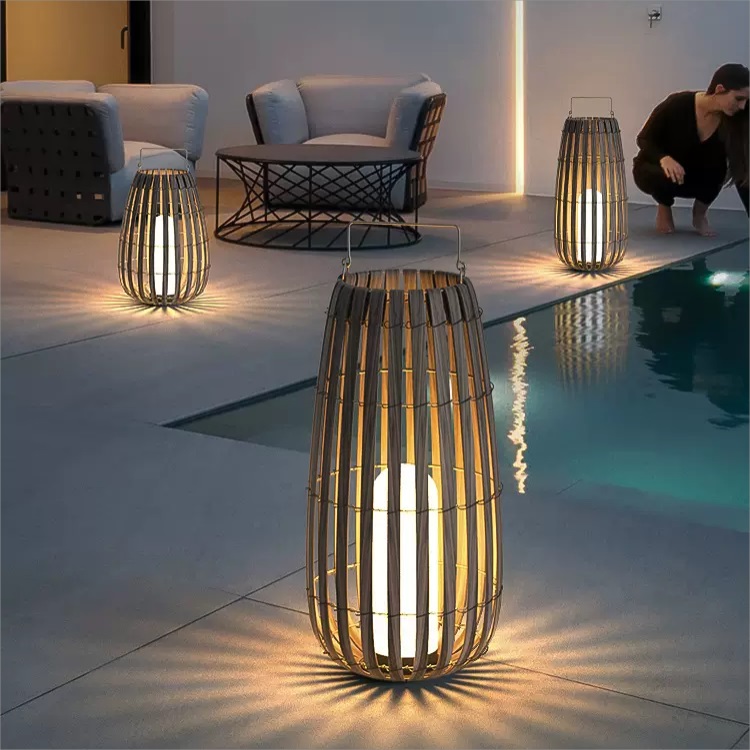
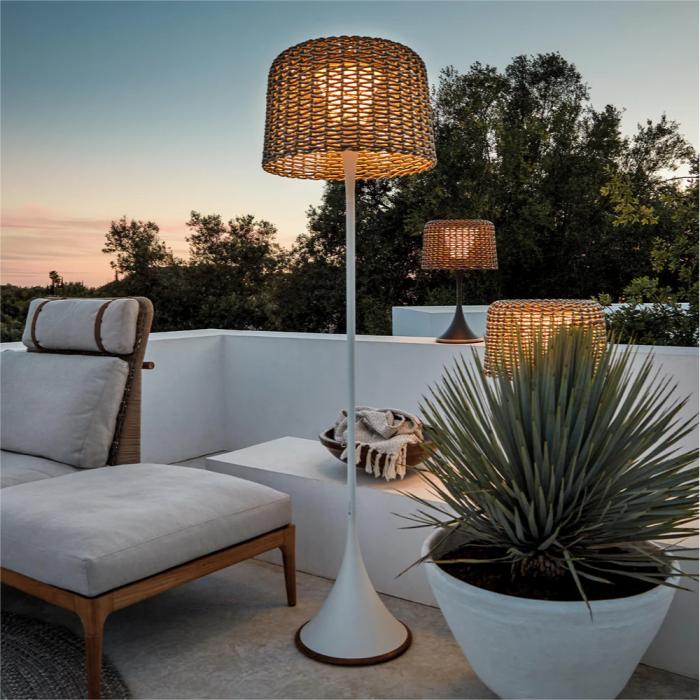
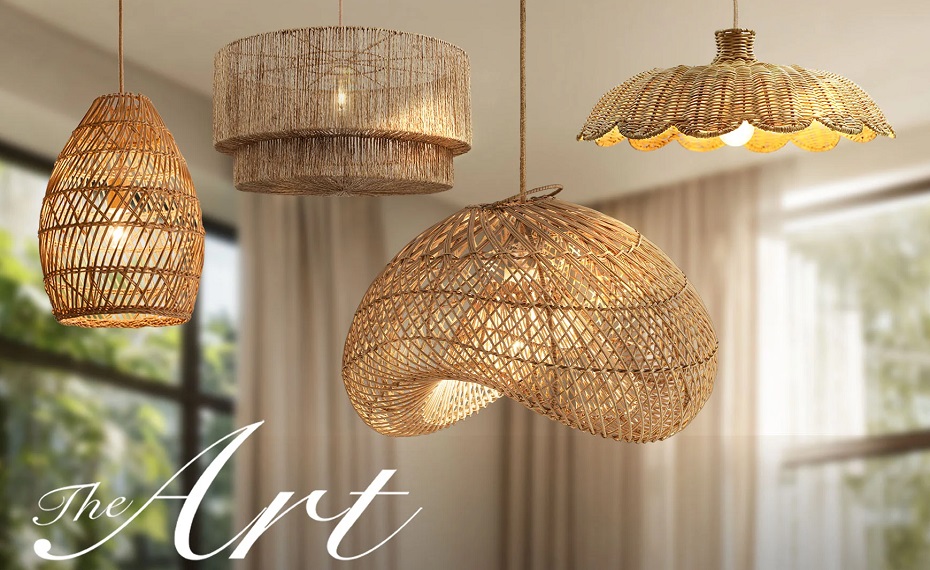
Rattan Lamp Factory Lighting Collection

Step 3: Check Product Specialization
Many buyers assume larger factories are automatically better. In reality, specialization often matters more.
A manufacturer focused on specific categories typically offers:
· Better craftsmanship
· More design expertise
· Faster development
· Higher consistency
Examples include:
· Rattan lamp manufacturers
· Bamboo lighting manufacturers
· Hotel lighting specialists
· Outdoor lighting producers
Specialized manufacturers usually understand industry-specific requirements better than general suppliers.
Step 4: Review Certifications and Compliance
Certification requirements vary by market. Failing to verify compliance before ordering can create serious import problems.
Certification requirements vary by market. Failing to verify compliance before ordering can create serious import problems.
Common Certifications
| Market | Typical Certifications |
| European Union | CE, RoHS |
| United States | UL, ETL |
| Australia | SAA |
| International | ISO Systems |
For detailed information, please refer to: What Certifications Should Outdoor Rattan Light Have for Export?
Always request:
· Test reports
· Certificates
· Product compliance documentation
Verify that certificates are current and issued by recognized organizations.
Step 5: Assess Quality Control Systems
Quality control separates professional manufacturers from unreliable suppliers. Ask suppliers to explain their quality process. A reliable factory should inspect products at multiple stages.
1. Incoming Material Inspection
Raw materials should be checked before production begins.
For woven lighting products, this includes:
· Rattan quality
· Bamboo quality
· Metal components
· Electrical components
2. In-Process Inspection
Quality checks during production help identify problems before completion.
3. Final Inspection
Before shipment, products should undergo:
· Appearance inspection
· Electrical testing
· Functional testing
· Packaging verification
Factories with documented QC procedures generally deliver more consistent results.
Step 6: Evaluate OEM and ODM Capabilities
Modern buyers increasingly require customization. A reliable manufacturer should offer:
OEM Services
OEM manufacturing allows buyers to provide their own designs.
Examples include:
· Custom dimensions
· Brand packaging
· Private labels
· Custom finishes
ODM Services
ODM manufacturers can develop products based on concepts or market requirements.
This is particularly valuable for businesses without in-house product development teams.
Step 7: Request Product Samples
Never place large orders without evaluating samples.
Samples help assess:
· Product quality
· Material quality
· Workmanship
· Packaging quality
· Design accuracy
During sample evaluation, pay attention to details.
For woven lighting products, inspect:
· Uniform weaving
· Structural stability
· Electrical safety
· Surface finishing
A professional sample often reflects the factory's production standards.
Step 8: Evaluate Communication Quality
Communication issues frequently cause sourcing problems.
Reliable manufacturers respond:
· Quickly
· Clearly
· Professionally
Warning signs include:
· Delayed responses
· Incomplete answers
· Avoiding technical questions
· Inconsistent information
Strong communication becomes even more important when managing customized projects.
Step 9: Understand Production Capacity
Production capacity directly affects delivery reliability.
Ask suppliers:
· Monthly production capacity
· Number of employees
· Peak season lead times
· Current production workload
Manufacturers should be able to support future growth without compromising quality.
Step 10: Review Export Experience
Export experience often indicates operational maturity.
Experienced exporters understand:
· International regulations
· Documentation requirements
· Packaging standards
· Shipping procedures
Ask suppliers:
· Which countries do you currently export to?
· What percentage of your business is export-based?
· Can you provide references or project examples?
Factories with extensive international experience generally require less buyer supervision.
Common Red Flags to Avoid
Unrealistically Low Prices
Extremely low pricing often indicates:
· Poor materials
· Limited quality control
· Hidden costs
No Factory Evidence
Suppliers unwilling to share factory information should be treated cautiously.
Inconsistent Communication
Poor communication during quotation stages usually worsens after payment.
Missing Certifications
Lack of compliance documentation creates import risks.
No Sample Process
Reliable manufacturers typically encourage sample evaluation before mass production.
Why Many Buyers Choose XINSANXING Lighting Factory
When evaluating lighting manufacturers, buyers often look for specialization, customization capabilities, and export experience.
XINSANXING Lighting Factory has focused on woven decorative lighting since 2007.
The company offers:
· Rattan lighting manufacturing
· Bamboo lighting manufacturing
· Solar decorative lighting manufacturing
· OEM and ODM development
· Hospitality project support
· Global export services
Its production system combines handcrafted weaving techniques with modern quality control processes.
Products are exported to more than 50 countries and regions worldwide.
Frequently Asked Questions
Request business licenses, factory videos, production photos, and schedule a video factory tour.
No. Alibaba verification is useful but should be combined with additional supplier audits and sample evaluations.
Requirements vary by market, but CE, RoHS, UL, ETL, and SAA are among the most common.
Sample testing costs are minimal compared to the risks of ordering defective products in bulk.
Yes. Many professional manufacturers offer both OEM and ODM services.
Selecting suppliers based solely on price instead of evaluating quality, compliance, and manufacturing capabilities.
Conclusion
Finding a reliable lighting manufacturer in China requires careful evaluation, not just price comparison.
The most successful buyers verify factory legitimacy, assess quality systems, review certifications, test samples, and evaluate communication before placing large orders.
Manufacturers that demonstrate transparency, specialization, customization capabilities, and export experience are typically the best long-term partners.
By following the verification steps outlined in this guide, buyers can significantly reduce sourcing risks and build stronger supplier relationships that support long-term business growth.
Reliable Lighting Manufacturer In China
Recommended Content:
Get Factory Product Catalog

Post time: Jun-10-2026