


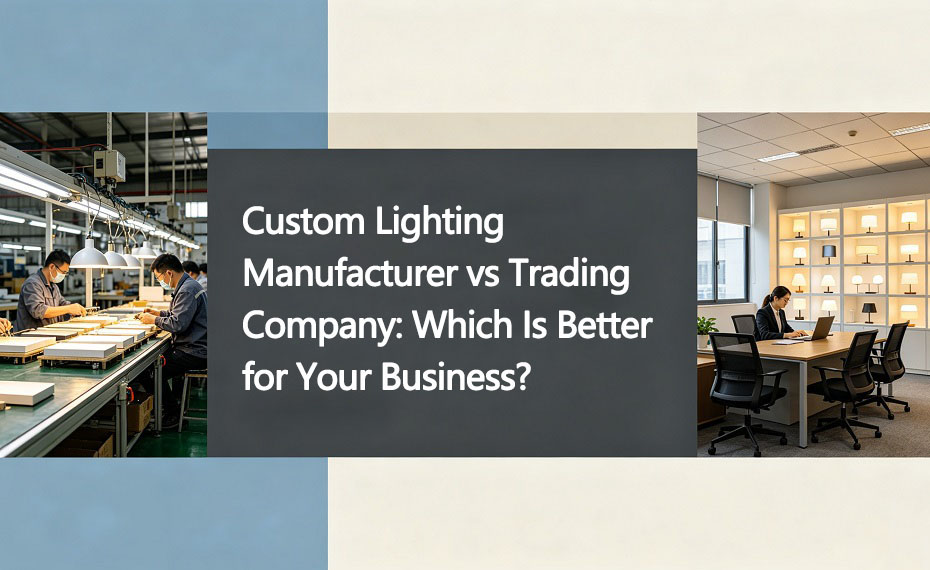
As a professional manufacturer in the home and garden decorative lighting sector, XINSANIXNG Lighting brings 19 years of experience in product R&D and manufacturing, backed by comprehensive service support. Our extensive export experience helps you save time and effort.
How To Import Lighting Products From China: A Practical Guide for Importers, Wholesalers & Lighting Brands
For many first-time buyers, importing lighting products from China seems straightforward: find a supplier, request a quotation, arrange shipping, and wait for the container to arrive.
In reality, experienced importers know that most problems occur long before a shipment leaves the factory. Choosing the wrong supplier, overlooking certification requirements, approving an incomplete sample, or misunderstanding packaging specifications can all lead to delays, unexpected costs, or dissatisfied customers.
The good news is that these issues are largely preventable.

Whether you are launching a new lighting brand, expanding your wholesale business, or sourcing products for hospitality projects, understanding the complete import process will help you reduce risk and build a more reliable supply chain.
Step 1: Define Your Product Before Contacting Suppliers
One of the biggest mistakes buyers make is contacting dozens of factories before clearly defining what they want. Professional manufacturers can provide accurate quotations only when product requirements are specific.
Before requesting prices, prepare a sourcing brief that includes:
· Product category
· Dimensions
· Materials
· Electrical specifications
· Target market
· Quantity
· Packaging requirements
The clearer your requirements, the fewer misunderstandings will occur during production.
For decorative lighting, details such as weaving patterns, metal finishes, lamp holders, and cable colors should be confirmed early in the process.
Step 2: Choose a Manufacturer Instead of Simply Choosing the Lowest Price
Many buyers compare quotations in a spreadsheet and immediately select the cheapest supplier.
Unfortunately, manufacturing costs represent only one part of the total sourcing cost. An experienced manufacturer often helps buyers save money by reducing:
· Product defects
· Shipping damage
· Delayed production
· Customer complaints
· Warranty claims
A lower factory price means little if quality problems result in returned products or negative reviews.
Instead of asking, "Who is cheapest?", ask: Which supplier can consistently deliver the product my customers expect?
Step 3: Verify Certifications Before Production Begins
Certification is one of the most overlooked aspects of importing lighting products.
Different markets require different compliance standards. For example:
| Market | Typical Requirements |
| European Union | CE + RoHS |
| United States | UL / ETL |
| Australia | SAA |
| Middle East | Country-specific standards |
A common mistake is requesting certification only after production has finished. If testing reveals non-compliance, the product may require redesign or additional testing, increasing both cost and lead time.
Always discuss certification requirements during the quotation stage.
Step 4: Never Skip the Sample Stage
A sample is more than a product preview. It is your opportunity to verify every important production detail before committing to a larger investment.
It can assess the material quality, color consistency, weaving process, product size, electrical components, and packaging of products, ensuring the smooth production of bulk goods.
Instead of focusing only on appearance, ask yourself: Would I confidently sell this product under my own brand?
Professional buyers frequently request small revisions before approving mass production. These changes are far easier—and far less expensive—to make during sampling than after production begins.
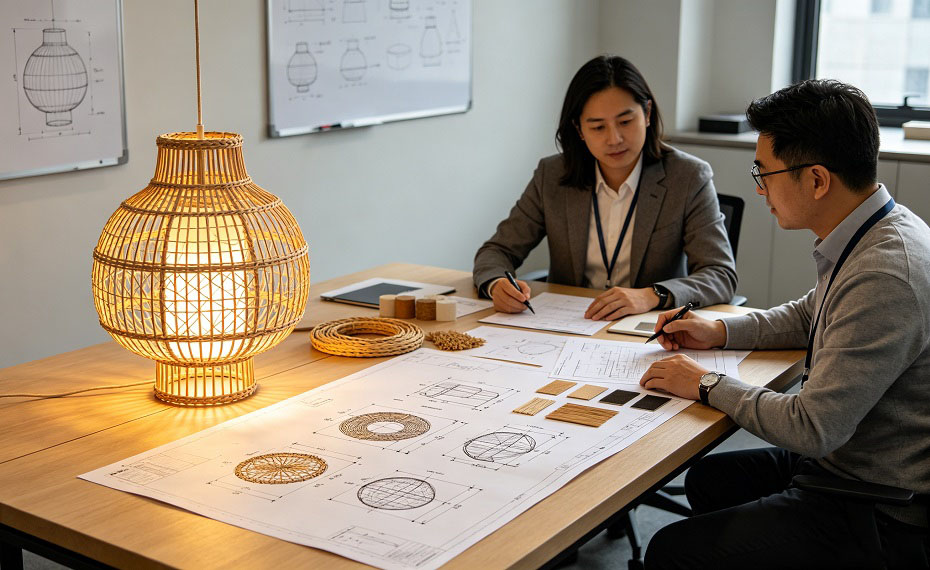
Reviewing a prototype rattan lamp before mass production. Source: XINSANXING
Step 5: Understand MOQ and Production Planning
Minimum Order Quantity (MOQ) often causes confusion for new buyers. Factories set minimum order quantities not simply to increase order value, but are influenced by factors such as raw material procurement, production efficiency, labor allocation, packaging setup, and machine readiness.
If your order volume is below the standard MOQ, discuss alternative solutions.
Many manufacturers can accommodate mixed models or phased production for long-term customers.
Understanding the reasons behind MOQ often leads to more productive negotiations.
Step 6: Confirm Packaging Before Mass Production
Lighting products are fragile by nature. Good packaging protects products during transportation while also enhancing your brand image.
Before production begins, confirm:
· Individual cartons
· Master cartons
· Foam protection
· Drop-test requirements
· Barcode placement
· Brand labels
· User manuals
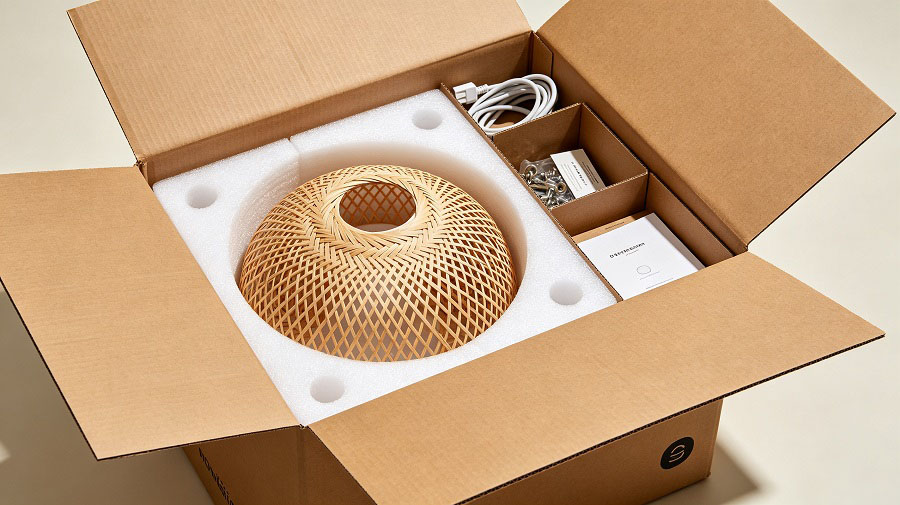
Export packaging for XINSANXING decorative lighting products
For e-commerce businesses, packaging must also withstand parcel delivery networks, which are typically more demanding than pallet shipments.
Step 7: Arrange Independent Quality Inspection
Experienced importers rarely rely solely on factory inspections. Independent third-party inspections provide an additional layer of confidence.
Typical inspections include:
· Product appearance
· Electrical testing
· Carton inspection
· Quantity verification
· Packaging review
· Random sampling
Scheduling inspections before the balance payment allows issues to be addressed before shipment.
Step 8: Choose the Right Shipping Method
Different shipping methods serve different business needs.
| Shipping Method | Best For |
| Sea Freight | Large wholesale orders |
| Air Freight | Urgent replenishment |
| Express Courier | Samples and small parcels |
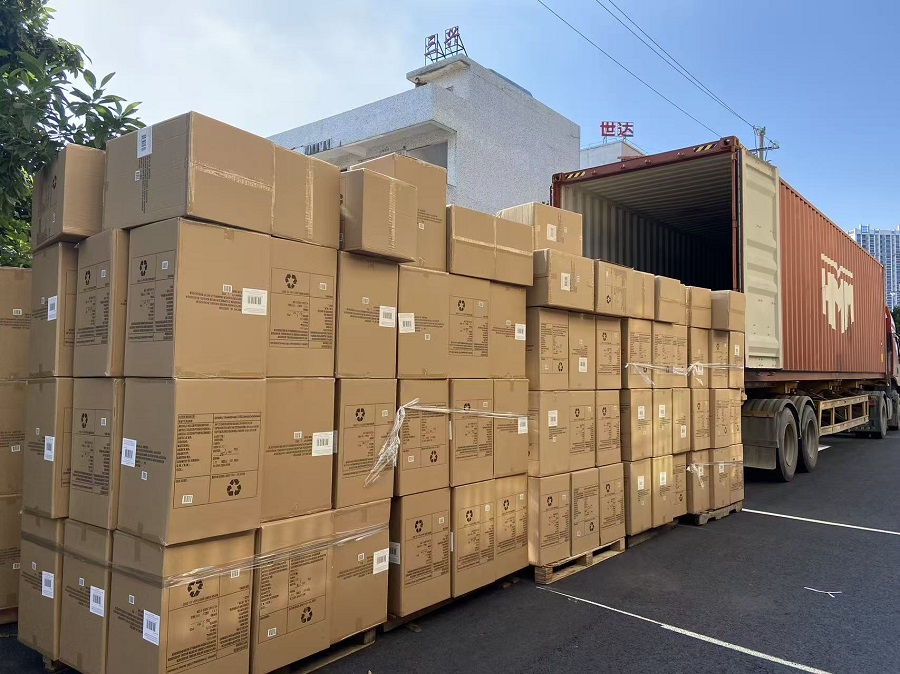
XINSANXING loads exported lighting products into containers.
When evaluating freight options, remember that the lowest shipping price does not always provide the best overall value. Transit time, customs handling, and local delivery should all be considered.
Step 9: Build Long-Term Relationships Instead of One-Time Transactions
The most successful importers rarely switch suppliers every year.
Long-term partnerships provide advantages such as:
· Better pricing
· Faster sampling
· Priority production
· Improved communication
· Better understanding of your market
As manufacturers become familiar with your quality expectations and customer preferences, production becomes more efficient and consistent. A strong supplier relationship is often a greater competitive advantage than negotiating a slightly lower unit price.
Common Mistakes First-Time Importers Make
Many sourcing problems are avoidable.
The most common mistakes include:
1. Choosing suppliers based solely on price.
2. Skipping product samples.
3. Ignoring certification requirements.
4. Providing incomplete product specifications.
5. Not documenting packaging requirements.
6. Failing to arrange third-party inspections.
7. Switching factories too frequently.
Avoiding these mistakes can save significant time and expense.
Why Many International Buyers Source Lighting from XINSANXING
For businesses looking to import decorative lighting, choosing an experienced manufacturing partner is just as important as selecting the right product.
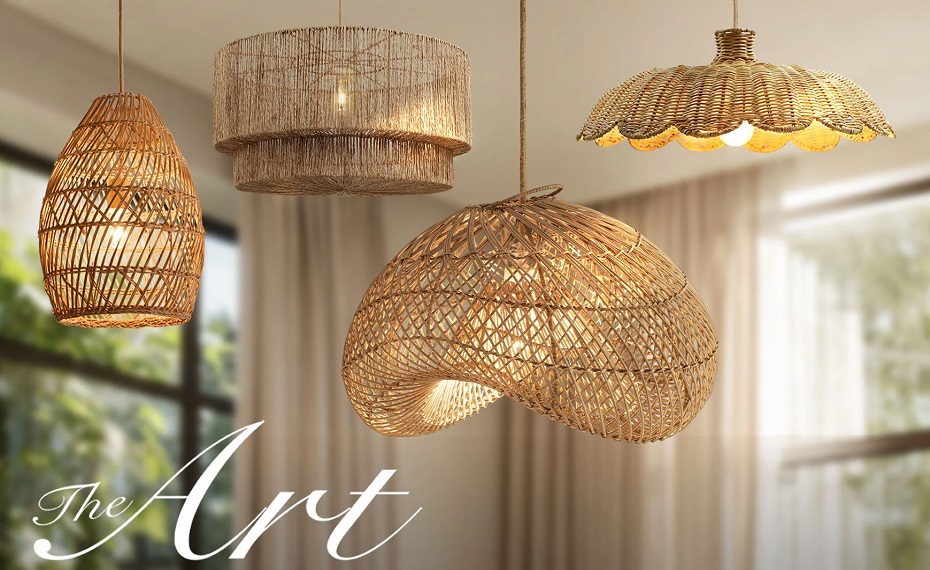
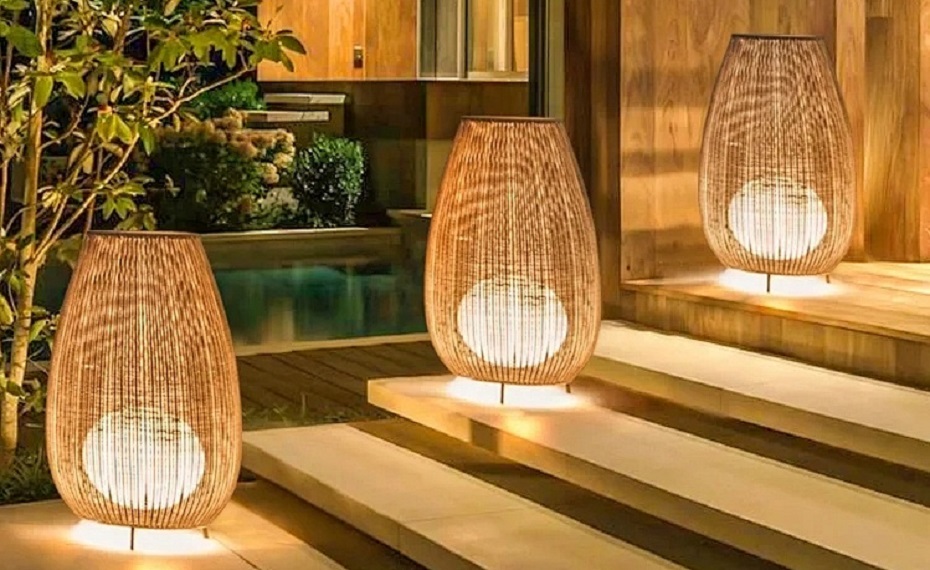
XINSANXING Lighting Factory specializes in handcrafted rattan and bamboo lighting for wholesalers, retailers, interior designers, and hospitality projects around the world.
The company supports customers throughout the sourcing process, including:
· Product development
· OEM & ODM manufacturing
· Sample production
· Private label packaging
· Quality control
· Export documentation
· Global shipping coordination
Rather than offering a one-size-fits-all solution, the team works closely with buyers to develop products that align with their market positioning and long-term business goals.
Frequently Asked Questions
Including sample approval, production, and sea freight, most orders take between 45 and 60 days depending on customization and destination.
For businesses requiring consistent quality, customization, and long-term cooperation, purchasing directly from a manufacturer is generally the preferred approach.
If feasible, a factory visit can provide valuable insight. Alternatively, a live video factory tour and third-party audit are practical options.
Certification requirements depend on your destination market. Discuss compliance needs with your supplier before production begins.
Yes. XINSANXING Lighting offers OEM and private label services, including branded packaging and custom product development.
Rushing into mass production before fully approving samples, packaging, and technical specifications.
Conclusion
Importing lighting products from China is not simply about finding a supplier—it is about building a reliable manufacturing partnership.
Successful buyers invest time in defining product requirements, verifying suppliers, approving samples, planning quality control, and establishing clear communication before production begins.
By following a structured sourcing process, businesses can reduce risk, improve product consistency, and create a stronger foundation for long-term growth in the competitive lighting market.
Looking for a professional rattan lamp manufacturer?
Recommended Content:
If You Are in Business, You May Like
Post time: Jul-01-2026