


XINSANXING Lighting Co., Ltd. was established in 2007. It is located in Zhongkai National High-tech Zone, Huizhou City, China. We are a leading enterprise focusing on indoor and outdoor art decorative lighting, committed to providing customers with high-quality and high-performance lighting solutions.
When sourcing lighting products from China, one of the first decisions buyers face is whether to work with a custom lighting manufacturer or a trading company.
At first glance, both may appear similar. Both can provide quotations, product catalogs, and export services. However, their business models are fundamentally different, and choosing the wrong partner can significantly impact product quality, pricing, customization options, and long-term business growth.
For importers, wholesalers, retailers, lighting brands, hospitality projects, and e-commerce businesses, understanding this difference is essential before placing an order.
In this guide, we will compare custom lighting manufacturers and trading companies across key sourcing factors to help you make an informed decision.
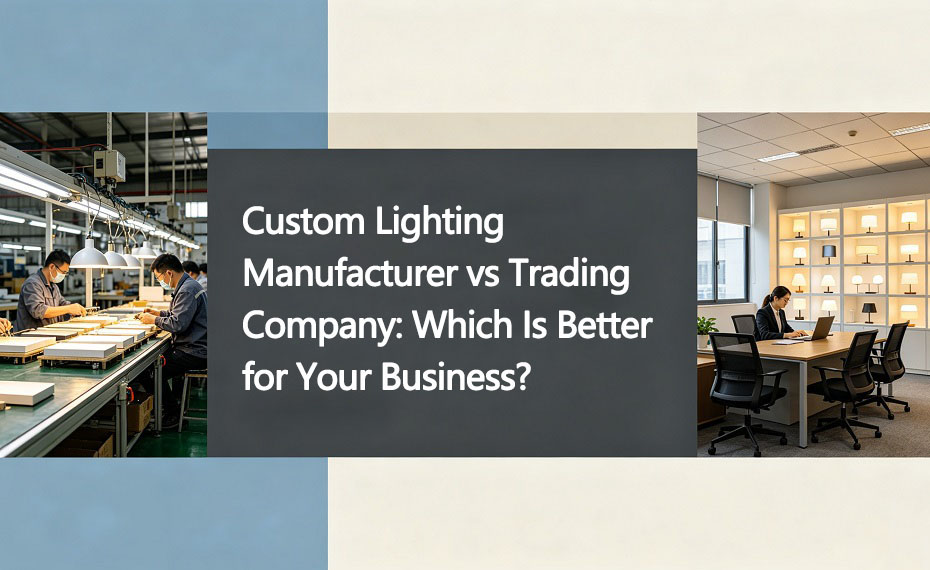
What Is a Custom Lighting Manufacturer?
A custom lighting manufacturer owns and operates production facilities where lighting products are designed, manufactured, assembled, inspected, and packaged.
Manufacturers control the production process directly and often provide OEM and ODM services.
Typical capabilities include:
· Product development
· Engineering support
· Tooling and sampling
· Quality control
· Mass production
· Packaging customization
Manufacturers are responsible for producing the actual products that customers receive.
Common Characteristics of Lighting Manufacturers
· Own factory facilities
· Skilled production workers
· Production equipment
· Quality control systems
· Product development teams
· Direct material sourcing
Manufacturers typically focus on long-term production partnerships rather than simple order transactions.
What Is a Trading Company?
A trading company does not usually manufacture products itself.
Instead, it acts as an intermediary between buyers and factories.
Trading companies source products from multiple manufacturers and sell them to international customers.
Their role often includes:
· Supplier coordination
· Product sourcing
· Export management
· Communication support
Some trading companies specialize in specific industries, while others sell products across many categories.
Common Characteristics of Trading Companies
· No production facilities
· No manufacturing workers
· Multiple supplier relationships
· Broader product selection
· Easier one-stop sourcing
Trading companies may be useful in certain situations but also introduce additional layers between buyers and production.
Manufacturer vs Trading Company: Key Differences
Ownership of Production
This is the most important difference.
A manufacturer controls:
· Production schedules
· Product quality
· Technical processes
· Material selection
A trading company relies on external factories to handle these functions.
As a result, manufacturers generally provide greater transparency and production control.
Pricing Structure
Manufacturers usually offer more competitive pricing because there are fewer intermediaries involved.
When buying directly from a factory:
· No additional sourcing fees
· Lower operating layers
· Better volume pricing
Trading companies typically add margins to cover their sourcing and management services.
For large-volume orders, these additional costs can become significant.
Customization Capabilities
Customization is increasingly important for modern lighting businesses. Examples include:
· Private label products
· Custom lamp dimensions
· Exclusive designs
· Custom packaging
· Special finishes
Manufacturers usually provide stronger customization support because they directly control production. Trading companies often need approval from factories before confirming custom requests. This can slow development and increase costs.
Quality Control Comparison
Quality control is another major distinction.
Manufacturer Quality Control
Professional manufacturers often maintain internal QC systems that monitor:
· Raw materials
· Production stages
· Electrical testing
· Packaging inspection
Because they oversee production directly, issues can be identified and corrected more quickly.
Trading Company Quality Control
Trading companies may perform inspections, but they generally depend on factories to resolve quality issues. This extra layer can sometimes create communication delays. For businesses that prioritize consistency, working directly with a manufacturer often provides greater confidence.
Lead Time and Production Flexibility
Delivery performance directly affects inventory planning and customer satisfaction.
Working With a Manufacturer
Manufacturers can usually provide:
· More accurate lead times
· Better production scheduling
· Faster design modifications
· Direct communication regarding delays
Working With a Trading Company
Because trading companies coordinate between multiple parties, information may take longer to reach buyers. Changes often require additional approval steps. For time-sensitive projects, direct factory communication is usually more efficient.
Communication and Technical Support
Lighting projects frequently involve technical discussions. Examples include:
· Electrical specifications
· Material selection
· Structural modifications
· Certification requirements
Manufacturers often have engineers and production managers who can answer technical questions directly. Trading companies may need to relay questions back and forth between buyers and factories. This can increase response times and create misunderstandings.
When a Trading Company May Be a Better Choice
Although manufacturers offer many advantages, trading companies can still provide value in certain situations.
Multi-Category Sourcing
If buyers need: Lighting, Furniture, Home décor, Accessories. A trading company may simplify procurement by consolidating products from multiple suppliers.
Small Trial Orders
Some factories prefer larger production quantities. Trading companies may sometimes accommodate smaller orders by combining sourcing across multiple factories.
Local Purchasing Support
New importers occasionally prefer working with experienced sourcing partners who manage supplier communication and logistics. In these cases, a reputable trading company can provide additional convenience.
When a Manufacturer Is Usually the Better Choice
Direct factory cooperation is often the better option when buyers require:
· Product customization
· OEM manufacturing
· ODM development
· Long-term sourcing partnerships
· Better pricing
· Stable quality control
Businesses planning to scale their product lines generally benefit from direct manufacturer relationships. This is especially true for private-label brands and wholesale distributors.
How to Tell If a Supplier Is a Manufacturer or a Trading Company
Many buyers struggle to identify the difference. Here are several practical verification methods.
Request Factory Videos
Ask suppliers to provide videos showing:
· Production workshops
· Assembly areas
· Quality control stations
· Packaging lines
Manufacturers can usually provide this information immediately.
Schedule a Video Factory Tour
Live factory tours reveal:
· Production capacity
· Equipment
· Workforce size
· Facility organization
Review Product Specialization
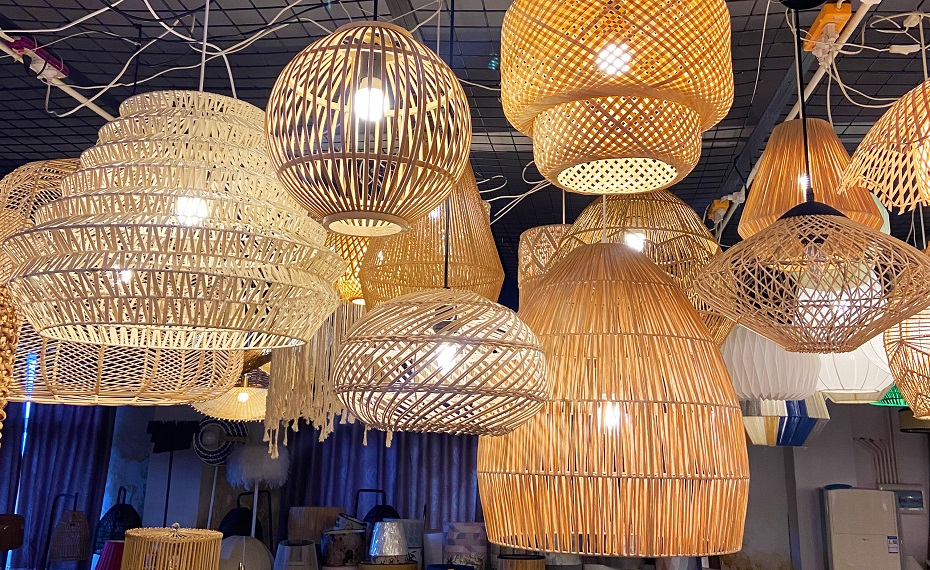
Manufacturers often focus on specific product categories. For example: Rattan lamps, Bamboo lighting, Decorative woven fixtures.
Trading companies often sell a much broader range of unrelated products.
Ask Technical Questions
Manufacturers generally answer technical questions faster because they possess direct production knowledge.
Why More Buyers Are Working Directly With Specialized Lighting Manufacturers
The global lighting industry has become increasingly competitive.
To differentiate products and improve margins, buyers need suppliers that can support:
· Exclusive products
· Faster development
· Better quality consistency
· Brand customization
These requirements often align more closely with manufacturers than trading companies. As a result, direct factory sourcing continues to grow among lighting brands and distributors worldwide.
Why XINSANXING Lighting Factory Works Directly With Global Buyers
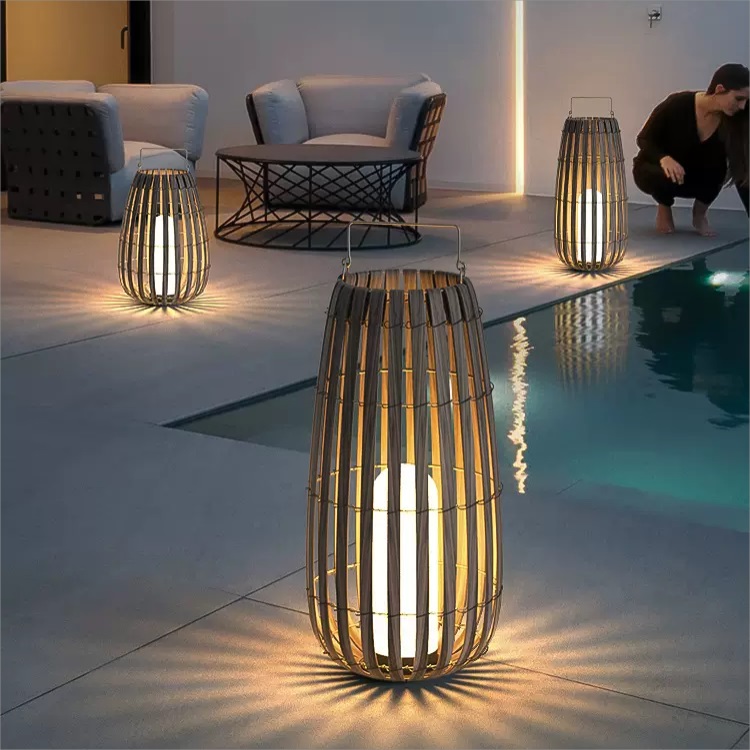
XINSANXING Lighting Factory specializes in decorative woven lighting manufacturing. Unlike trading companies, the company operates its own production facilities and focuses on: Rattan lamps, Bamboo lamps, Outdoor solar lighting, Custom decorative lighting, Hospitality lighting projects
The factory provides: OEM services, ODM development, Quality control systems, International export support.
This direct manufacturing model helps buyers achieve better product consistency, customization flexibility, and long-term sourcing stability.
FAQs:
Basically, yes; because there are fewer intermediaries, manufacturers can usually offer more favorable prices—a benefit that is particularly noticeable with medium- to large-scale orders.
Yes, but customization often requires coordination with external factories, which can increase lead times and costs.
Request factory videos, production photos, business licenses, and schedule a live video tour.
Not necessarily. Many trading companies are professional and experienced. However, buyers have less direct visibility into production.
Manufacturers are usually the preferred choice because they control product development and production directly. You can communicate directly regarding any details that need adjustment, eliminating the need for intermediaries to relay information; this offers clear advantages in terms of communication, execution efficiency, and accuracy.
Most growing brands and distributors benefit from working directly with specialized manufacturers. This ensures timely delivery and a more substantial profit margin.


Conclusion
Choosing between a custom lighting manufacturer and a trading company depends on your sourcing goals.
For businesses seeking product customization, direct communication, stable quality, and competitive pricing, working directly with a manufacturer is often the most effective strategy.
Trading companies can still provide value for multi-category sourcing and smaller purchasing projects, but direct factory relationships generally offer greater control and long-term business advantages.
By understanding the strengths and limitations of each model, you can make more informed sourcing decisions and build stronger supply chain partnerships.
About XINSANXING Lighting Factory
Recommended Content:


Post time: Jun-13-2026