


As a professional manufacturer in the home and garden decorative lighting sector, XINSANIXNG Lighting brings 19 years of experience in product R&D and manufacturing, backed by comprehensive service support. Our extensive export experience helps you save time and effort.
A Realistic Production Timeline for OEM & ODM Projects
One of the first questions buyers ask after receiving a quotation is: "How long will production take?"
The honest answer is: It depends on where your project starts.
A custom lighting project is not a single manufacturing step. It is a series of decisions, approvals, material sourcing, handcrafting, testing, quality inspections, and logistics.
Many buyers assume production begins as soon as they place an order. In reality, the manufacturing clock often starts only after every specification has been confirmed.
Understanding this process helps buyers create realistic purchasing schedules, avoid unnecessary delays, and coordinate product launches more effectively.
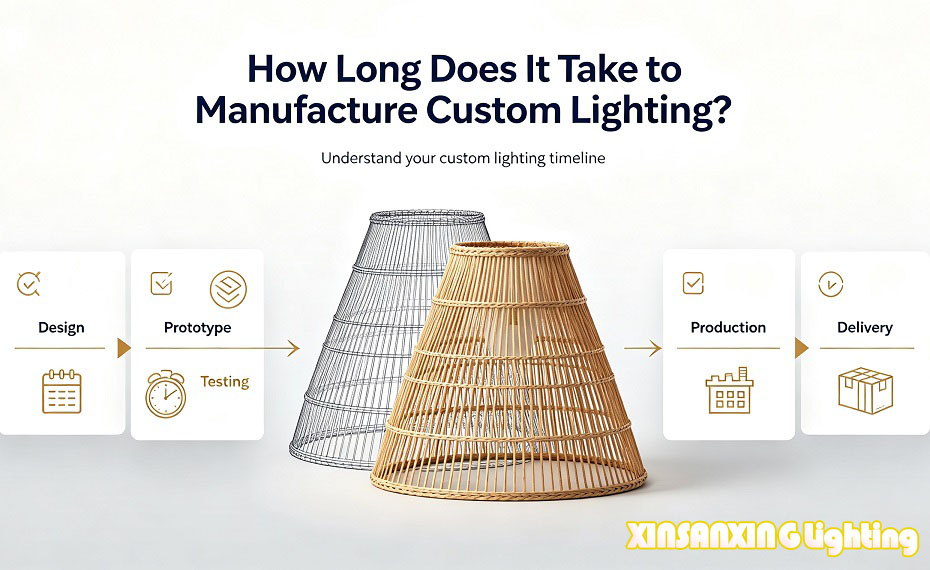
The Short Answer
For most decorative lighting projects, a realistic production schedule looks like this:
| Stage | Typical Time |
| Product discussion | 2–5 days |
| Quotation | 1–3 days |
| Sample development | 7–20 days |
| Sample approval | 3–10 days |
| Material preparation | 7–15 days |
| Mass production | 25–45 days |
| Quality inspection | 2–5 days |
| Export packing | 2–4 days |
| Shipment | Depends on destination |
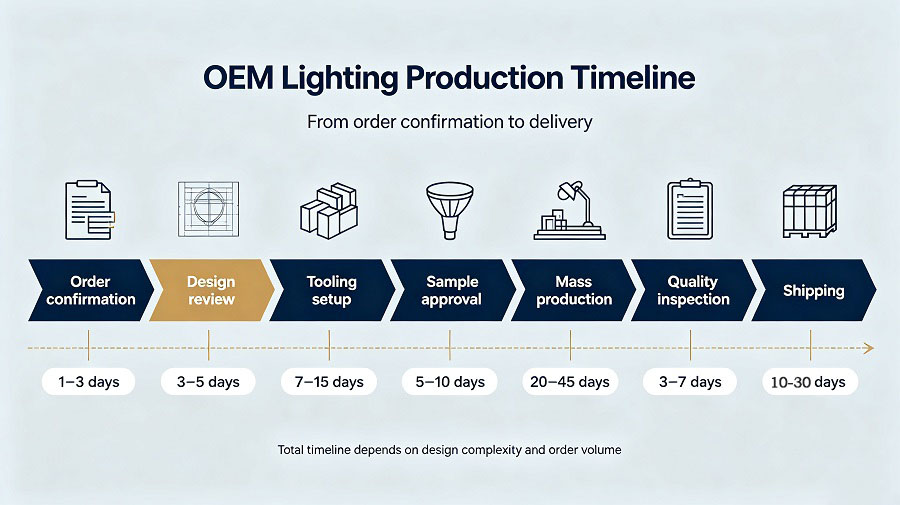
Notes: OEM lighting manufacturing timeline from quotation to shipment.
For a typical OEM project, buyers should plan for 6–10 weeks before the goods are ready to leave the factory.
Stage 1: Product Discussion
Every successful project begins with clear communication.
At this stage, buyers and manufacturers confirm:
· Product type
· Dimensions
· Materials
· Surface finishes
· Electrical specifications
· Target market
· Certifications
· Packaging requirements
Many production delays originate here—not because factories are slow, but because specifications change repeatedly after development has already begun.
The more complete your product brief is, the faster the entire project moves.
Stage 2: Quotation and Technical Review
After receiving your requirements, the manufacturer evaluates:
· Material costs
· Production complexity
· Labor requirements
· Packaging
· Certification needs
Complex woven lighting often requires additional engineering review before pricing can be finalized.
For standard catalog products, quotations are usually completed within a few business days.
Stage 3: Sample Development
This is where your product becomes real.
Depending on complexity, the factory may:
· Build new frames
· Develop weaving patterns
· Test electrical components
· Create custom molds
· Produce packaging samples
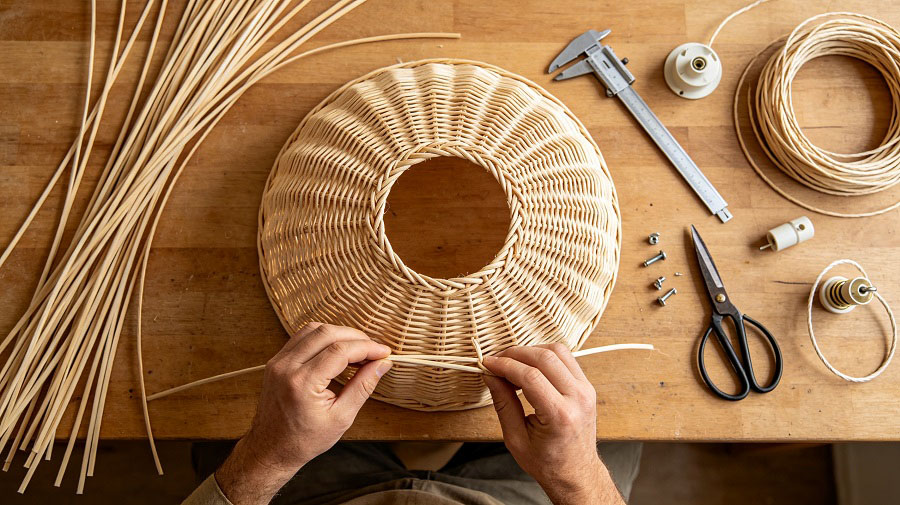
Handcrafted rattan and bamboo lighting generally require more development time than standard metal fixtures because much of the work is completed manually.
Stage 4: Sample Approval
Many buyers underestimate this stage. The sample is not only for checking appearance. It should also verify:
· Dimensions
· Weight
· Balance
· Electrical performance
· Installation method
· Packaging
If revisions are required, additional development time should be expected. Approving an incomplete sample often causes much larger delays during mass production.
Stage 5: Material Preparation
Only after the sample has been approved does large-scale purchasing begin. Materials may include:
· Rattan
· Bamboo
· Steel frames
· Lamp holders
· Electrical cables
· Powder coating
· Packaging materials
Factories often order certain materials specifically for your project. This is one reason changes after approval can significantly affect lead time.
Stage 6: Mass Production
This is the stage most buyers think of as "manufacturing."
For handcrafted decorative lighting, production typically includes:
· Frame fabrication
· Surface treatment
· Hand weaving
· Electrical assembly
· Functional testing
· Cleaning
· Product labeling
Production speed depends on:
· Order quantity
· Product complexity
· Degree of customization
· Factory workload
· Seasonality
During peak seasons, production schedules should be confirmed well in advance.
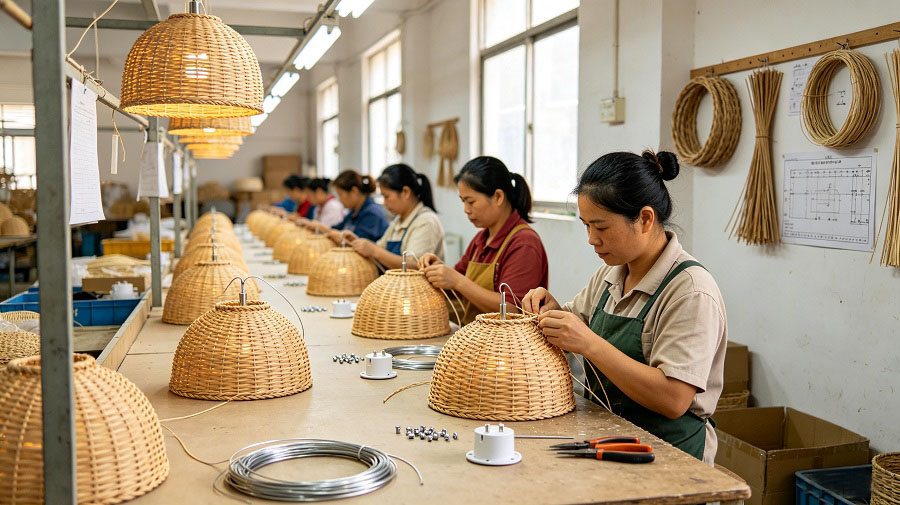
Source: XINSANXING Lighting factory workshop producing rattan pendant lights.
Stage 7: Quality Inspection
Before products are packed, manufacturers usually perform several inspections. Typical inspection items include:
· Appearance
· Structural stability
· Electrical safety
· Dimensions
· Label accuracy
· Packaging quality
Many buyers also arrange independent third-party inspections before the balance payment.
Stage 8: Packaging and Shipment Preparation
Once products pass inspection, they are prepared for export.
Activities include:
· Individual packaging
· Master cartons
· Pallet preparation
· Shipping marks
· Container loading
Packaging is especially important for decorative lighting because damage during transportation can erase the savings achieved during production.
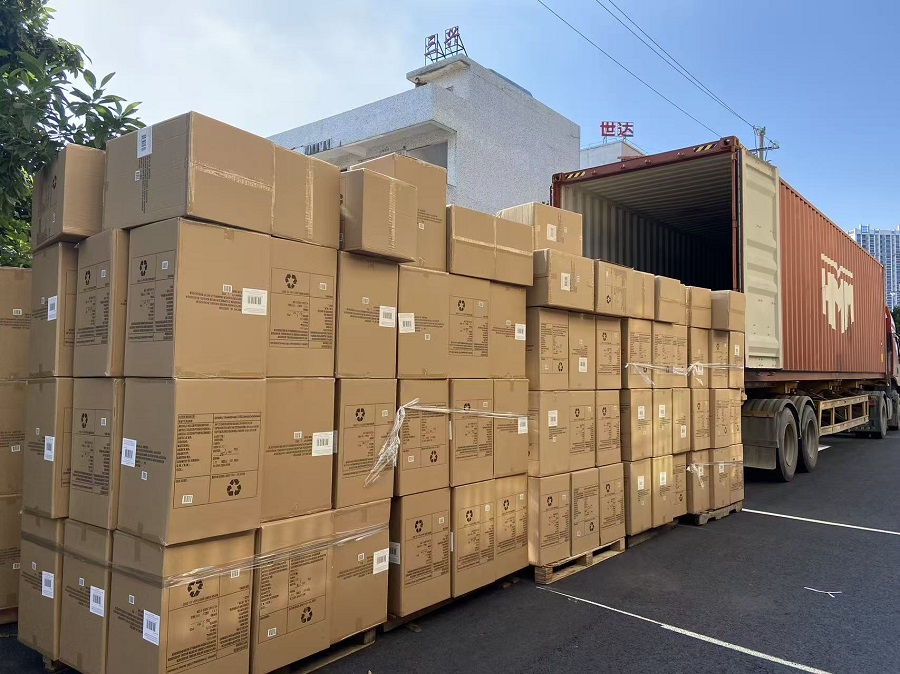
Source: XINSANXING Lighting factory shipping packaged rattan lamp products.
What Causes Production Delays?
Frequent Design Changes
Every design modification requires new approvals, updated drawings, and sometimes new samples.
Late Material Confirmation
Changing colors, finishes, or materials after purchasing has started usually extends production.
Certification Changes
Adding certification requirements after sampling often requires additional testing.
Peak Production Seasons
Orders placed before major holidays or peak retail seasons generally require longer lead times. Planning ahead helps secure production capacity.
How Buyers Can Shorten Lead Times
Experienced buyers often reduce production time by preparing thoroughly before placing an order.
Recommendations include:
· Finalize specifications early.
· Approve samples promptly.
· Confirm certifications before production.
· Avoid unnecessary design revisions.
· Book production schedules in advance.
· Maintain regular communication with the factory.
Good preparation often saves more time than asking the factory to "work faster."
How XINSANXING Lighting Helps Keep Projects on Schedule
Custom lighting projects require close coordination between design, purchasing, production, quality control, and logistics.
XINSANXING Lighting Factory manages each stage through a structured production process, helping customers maintain realistic timelines while minimizing unnecessary delays.
Services include:
· Product development
· Sample production
· Material planning
· OEM & ODM manufacturing
· Quality inspection
· Export packaging
· Global shipping support
By confirming technical details before production begins, many scheduling risks can be reduced significantly.
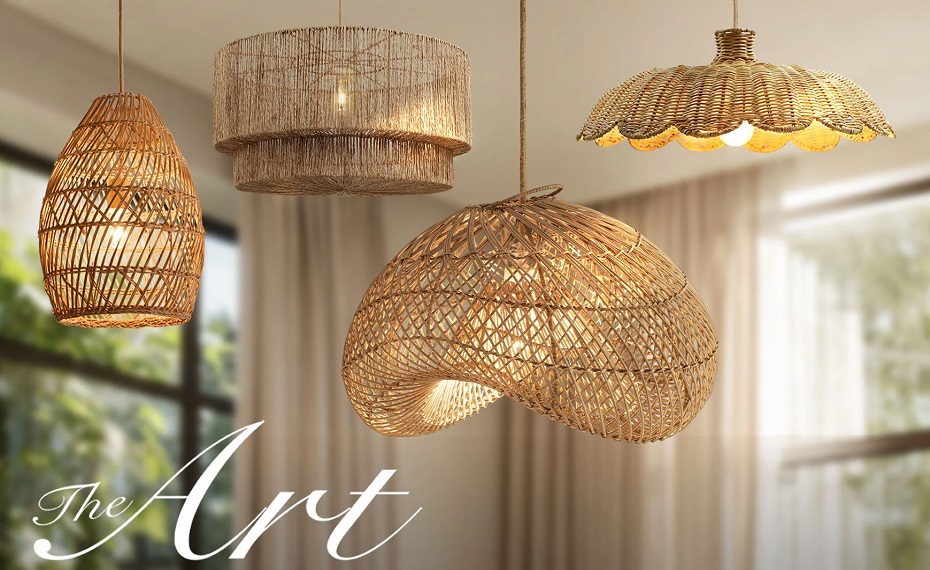
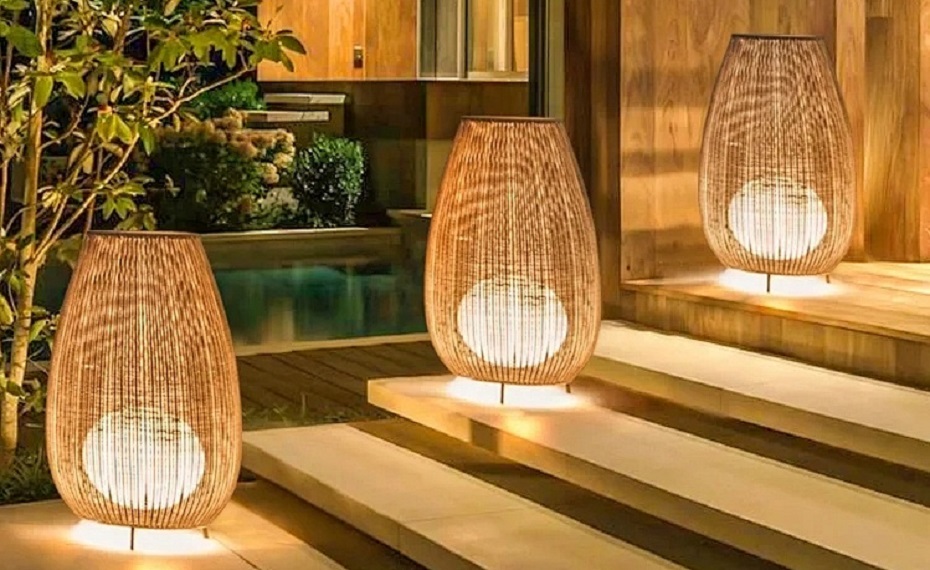
Frequently Asked Questions
For standard catalog products, production is often completed within 30–45 days after order confirmation.
Generally, yes. OEM projects involve product development and sample approval, while ODM products are based on existing designs.
This is not recommended. Sample approval ensures that both the buyer and manufacturer agree on the final product specifications.
Frequent design changes after production planning has begun are one of the most common reasons for schedule extensions.
Providing complete specifications, approving samples quickly, and confirming certifications early can significantly reduce lead time.
Yes. For seasonal sales or large commercial projects, allowing a buffer of one to two weeks helps manage unexpected delays.
Conclusion
Custom lighting manufacturing is a structured process rather than a single production step.
From design discussions and sample development to material sourcing, handcrafted production, quality inspection, and export packaging, every stage contributes to the final delivery schedule.
The fastest projects are rarely those where the factory works the quickest—they are the ones where buyers and manufacturers communicate clearly, finalize specifications early, and follow a well-organized production plan.
Understanding the complete manufacturing timeline allows buyers to plan inventory more accurately, reduce sourcing risks, and build stronger partnerships with experienced lighting manufacturers.
Looking for a professional lighting manufacturer?
Recommended Content:
If You Are in Business, You May Like
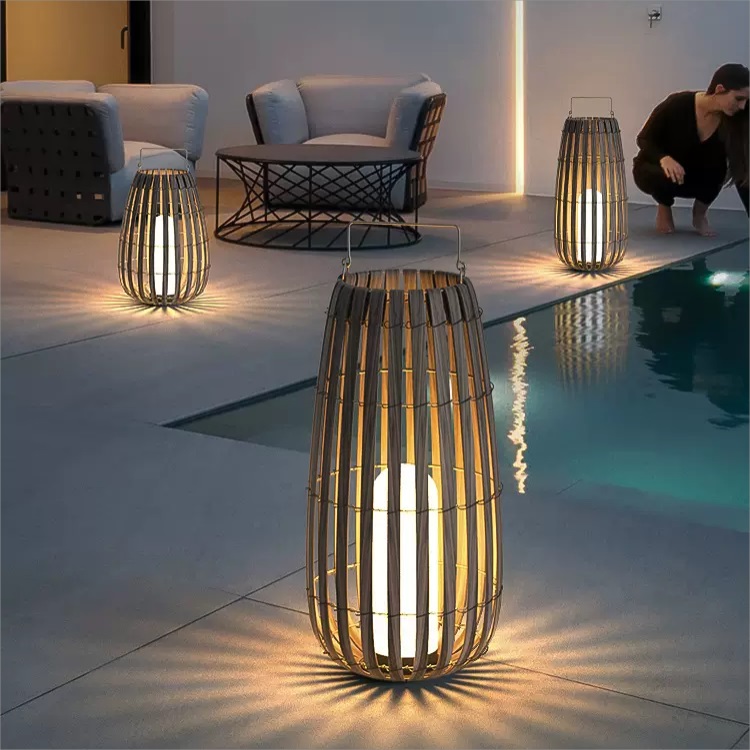
Post time: Jul-11-2026