


As a professional manufacturer in the home and garden decorative lighting sector, XINSANIXNG Lighting brings 19 years of experience in product R&D and manufacturing, backed by comprehensive service support. Our extensive export experience helps you save time and effort.
Choosing a rattan lamp supplier in China can seem simple at first.
A quick online search will show hundreds of companies offering woven lighting products. Many suppliers have similar catalogs, similar product photos, and similar descriptions.
But experienced buyers know that choosing a supplier is not about finding the company with the largest catalog or the lowest quotation.
The real question is:
Can this supplier consistently deliver the quality, customization, and reliability my business needs?
For retailers, wholesalers, interior designers, hospitality companies, and private-label brands, the right supplier can become a long-term growth partner.
The wrong supplier can create problems that affect everything from product quality and delivery schedules to customer satisfaction and brand reputation.
This guide explains how professional buyers evaluate rattan lamp suppliers in China and what factors should be considered before placing an order.
Why Choosing the Right Rattan Lamp Supplier Matters
Rattan lighting is different from standard factory-made products. Because many products involve natural materials and handcrafted processes, supplier capability directly affects the final result. Two suppliers may use the same type of rattan but produce very different results.
Differences often appear in:
· Material selection
· Weaving quality
· Structural strength
· Product consistency
· Finishing details
· Packaging quality
For commercial buyers, these differences become even more important because one poor shipment can affect hundreds or thousands of customers.
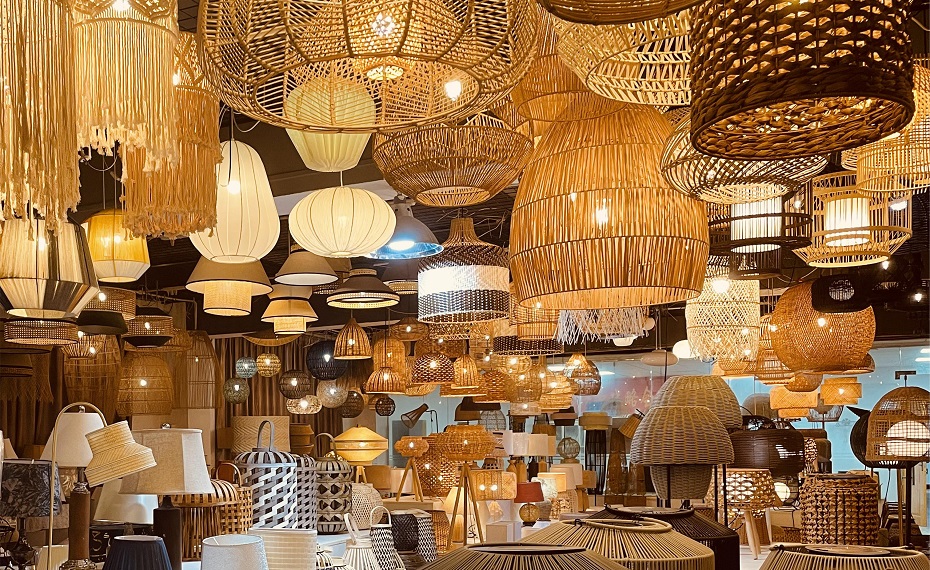
Step 1: Confirm Whether the Supplier Is a Real Manufacturer
The first step is verification. Many companies selling rattan lamps online are not actual manufacturers. They may purchase products from different factories and resell them.
Working directly with a manufacturer usually provides:
· Better product control
· Faster customization
· More accurate communication
· Better production transparency
Ask suppliers:
· Do you own your production facility?
· Can I see your workshop?
· How many workers are involved in production?
· Can you provide factory videos?
A professional supplier should be comfortable showing how products are made.
Step 2: Evaluate Their Rattan Lighting Experience
Not every lighting factory understands rattan. Natural woven lighting requires specialized knowledge.
A supplier with real rattan lamp experience should understand:
· Material characteristics
· Weaving techniques
· Structural support
· Natural material limitations
· Export requirements
Ask:
· How long have you produced rattan lighting?
· What types of rattan products do you manufacture?
· Can you show previous projects?
Experience matters because many production challenges cannot be solved by simply following drawings.
Step 3: Review Product Quality, Not Just Product Photos
Online catalogs can be misleading. Professional buyers should evaluate actual samples.
When reviewing samples, check: Material Quality
Look for:
· Clean natural fibers
· Consistent texture
· Proper drying
· Strong structure
· Craftsmanship
Check:
· Even weaving
· Symmetrical shape
· Secure connections
· Clean finishing
· Functionality
Confirm:
· Electrical components
· Installation method
· Product stability
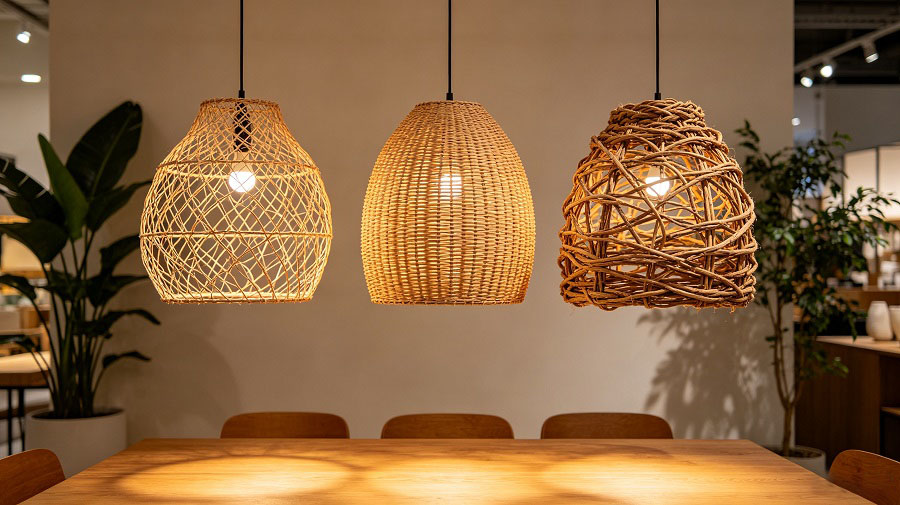
A good sample is one of the strongest indicators of future production quality.
Step 4: Check Customization and OEM Capability
A supplier may sell beautiful catalog products, but that does not always mean they can develop new products. For brands and wholesalers, customization is often essential.
A capable rattan lamp supplier should support:
· Custom sizes
· Custom shapes
· New weaving patterns
· Color adjustments
· Private labels
· Custom packaging
Customization capability is often the difference between a simple supplier and a strategic manufacturing partner.
Step 5: Understand Their Production Process
Reliable suppliers have clear production systems.
A typical rattan lamp manufacturing process includes: Material selection, Material preparation, Frame production, Hand weaving, Surface finishing, Electrical assembly, Quality inspection, Packaging. Suppliers should be able to explain their process clearly.
If a company cannot explain how its products are made, it may not have direct production control.
Step 6: Verify Quality Control Procedures
Handmade does not mean inconsistent. Professional manufacturers use quality systems to control production. Strictly conduct material inspection, in-process inspection, electrical testing, final inspection, and packaging inspection.
A reliable supplier should have a process for identifying and correcting problems before shipment.
Step 7: Confirm Export Experience
Even if a supplier manufactures high-quality products, they may not necessarily have experience with international business.
Export experience impacts areas such as document processing, packaging standards, familiarity with certification requirements, logistics coordination, and customs clearance.
You can ask the supplier:
· Which countries do you export to?
· Have you worked with international brands?
· Can you support certification requirements?
Manufacturers familiar with overseas markets usually understand buyer expectations better.
Step 8: Compare Communication Quality
Communication is one of the most overlooked supplier evaluation factors. During the quotation stage, notice:
Does the supplier:
· Answer questions clearly?
· Provide detailed information?
· Understand technical requirements?
· Follow up professionally?
Poor communication before an order rarely improves after production begins. A reliable supplier treats communication as part of quality management.
Step 9: Evaluate MOQ and Production Flexibility
Minimum order quantities vary between suppliers. The MOQ depends on product design, material requirements, the level of customization, and production efficiency.
A good supplier should explain MOQ logically rather than simply providing a number. For growing brands, flexibility during early stages can be valuable.
Some manufacturers support:
· Mixed models
· Trial orders
· Gradual expansion
Step 10: Look for Long-Term Partnership Potential
The best suppliers are not simply companies that accept orders.
They can provide valuable advice on design improvements, packaging optimization, cost-saving solutions, and production process improvements.
Over time, this partnership creates advantages that are difficult for competitors to copy.
Common Mistakes When Choosing a Rattan Lamp Supplier
Choosing Based Only on Price
The supplier offering the lowest price might cut costs by using inferior materials, hiring inexperienced workers, and reducing quality control steps.
Using Photos as the Only Quality Reference
Professional buyers always evaluate samples.
Ignoring Production Capacity
A supplier may handle small orders but struggle with larger projects.
Not Discussing Expectations Clearly
Specifications should cover materials, dimensions, surface treatment processes, packaging, and permissible tolerances. Clear expectations prevent disputes.
Why XINSANXING Is a Trusted Rattan Lamp Manufacturing Partner
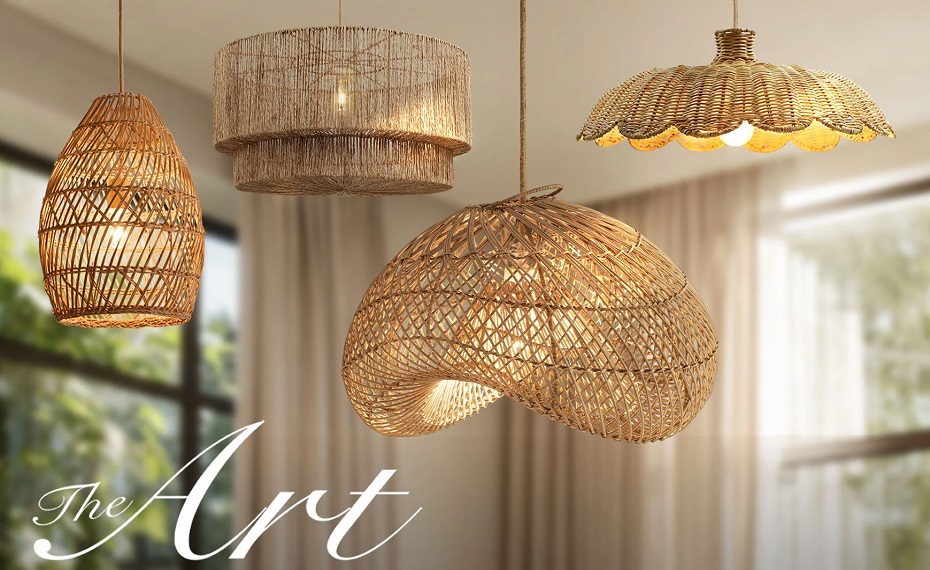
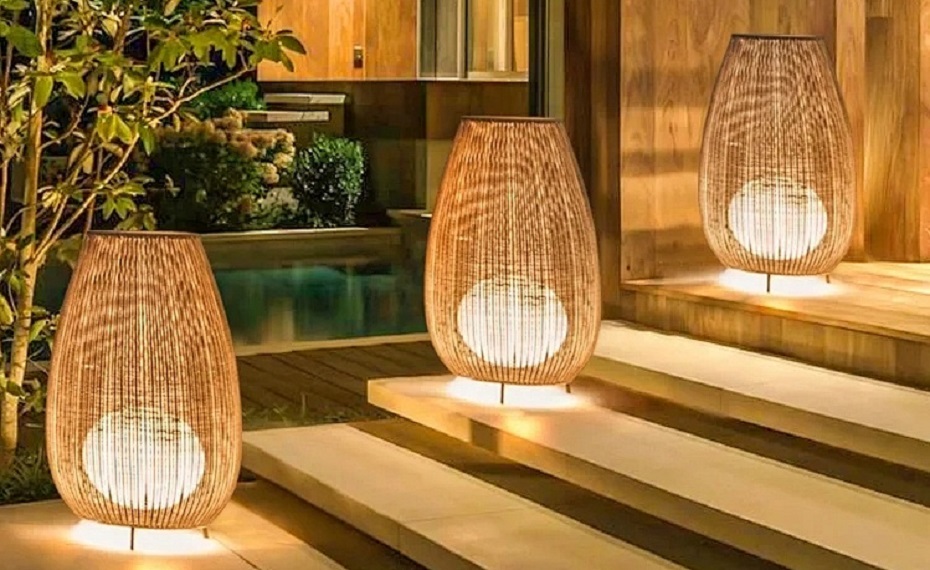
XINSANXING Lighting Factory specializes in handcrafted decorative lighting, with a focus on natural materials such as rattan and bamboo.
The company supports global customers including:
· Lighting brands
· Wholesalers
· Retailers
· Interior designers
· Hospitality projects
Capabilities include:
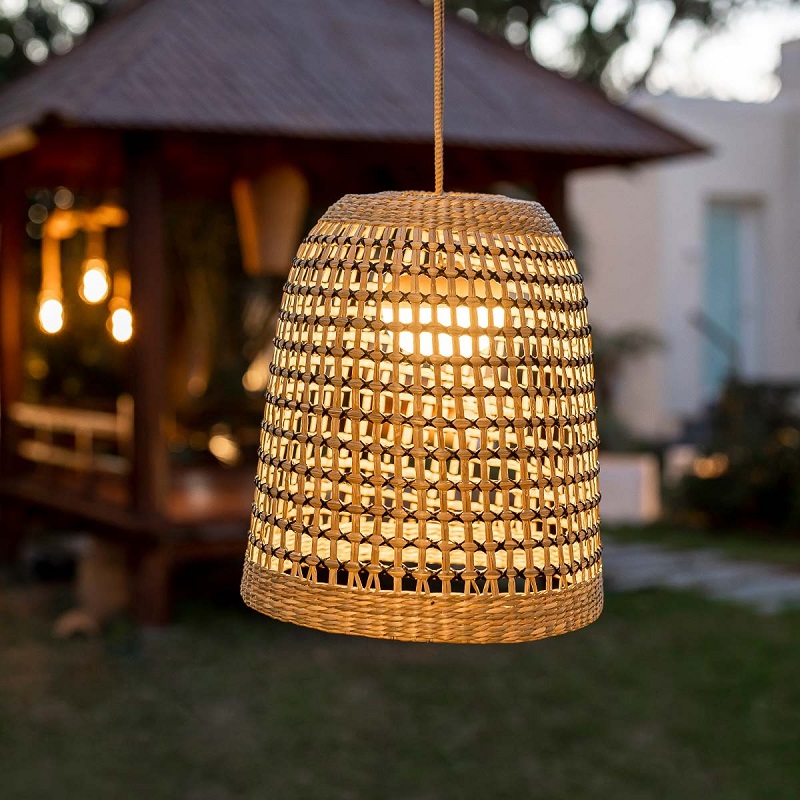
· Rattan lamp manufacturing
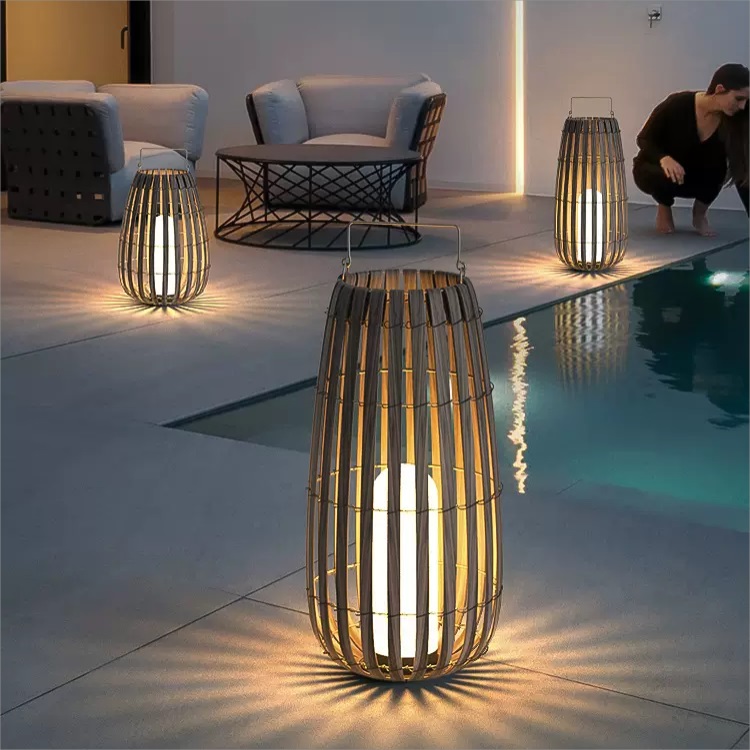
· Bamboo lighting production
· OEM development
· ODM customization
· Private label services
· Export support
By combining traditional craftsmanship with structured production management, XINSANXING helps customers develop lighting collections that balance design, quality, and commercial requirements.
Frequently Asked Questions
Check factory capability, request samples, review production processes, and confirm export experience before placing orders.
For customized rattan lighting projects, direct manufacturers usually provide better production control and customization support.
Yes. Experienced manufacturers can develop custom sizes, shapes, materials, packaging, and private-label products.
Evaluate material quality, weaving consistency, structure, electrical components, and finishing details.
MOQ depends on the supplier and customization requirements. Standard products usually require lower quantities than fully customized designs.
Depending on complexity, sample development often takes several weeks before mass production begins.
Conclusion
Choosing the right rattan lamp supplier in China requires more than comparing catalogs and prices.
The best supplier is one that combines craftsmanship, manufacturing experience, quality control, customization ability, and reliable communication.
For businesses building a lighting collection, the supplier relationship becomes part of the brand foundation.
By carefully evaluating manufacturers before placing orders, buyers can reduce risks, improve product quality, and create stronger opportunities for long-term growth.
Looking for a professional rattan lamp manufacturer?
Recommended Content:
If You Are in Business, You May Like

Post time: Aug-01-2026