


If you’re still unsure which material is best for your wholesale outdoor rattan pendant lights, floor lamps, or lanterns, contact our team. We’ll help you evaluate your needs and recommend the perfect solution for your market and order requirements.
As a wholesale outdoor rattan light manufacturer supplying North America, Europe, Australia, and South America, we often get asked by buyers: “Should I choose synthetic or natural rattan for outdoor pendant lights, floor lamps, and lanterns?”. The answer isn’t one-size-fits-all. Both synthetic and natural rattan have their strengths and weaknesses, and the right choice depends on your target market, product use case, budget, and brand positioning.
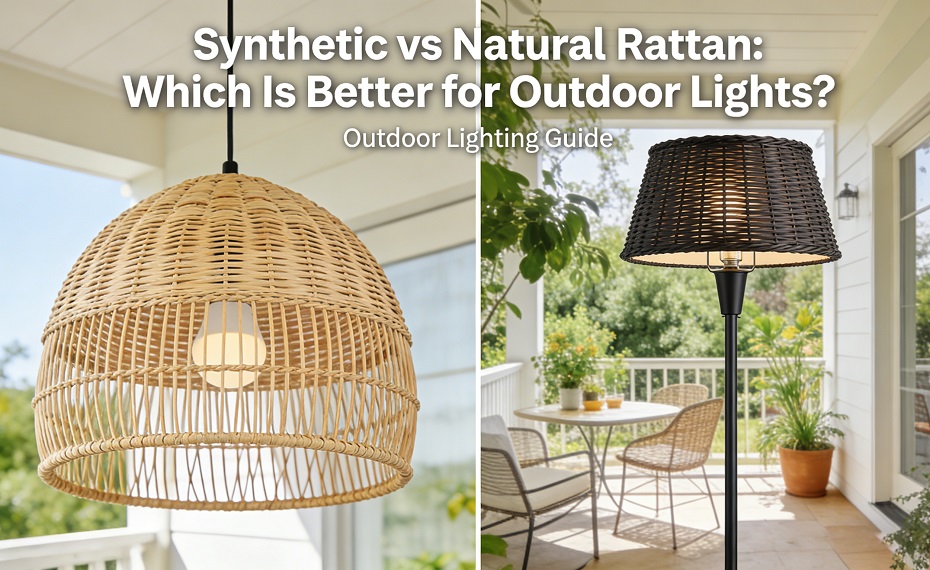
In this guide, we’ll break down the key differences, pros and cons, and best use scenarios for both materials—so you can make an informed decision for your wholesale or project orders.
What’s the Difference Between Synthetic and Natural Rattan?
Before diving into the comparison, let’s clarify what each material is—critical knowledge for buyers importing outdoor rattan lights from China or any manufacturer.
1. Natural Rattan: Traditional, Organic, and Timeless
Natural rattan is a renewable, organic material harvested from the stems of rattan palms (native to Southeast Asia). It’s been used in furniture and lighting for centuries, prized for its natural texture, warm appearance, and artisanal feel.

Natural rattan. Origin (Southeast Asia)
For outdoor lights—like rattan pendant lights, floor lamps, and lanterns—natural rattan is often handwoven, adding a unique, handcrafted touch that appeals to boho, coastal, and rustic decor trends.
2. Synthetic Rattan: Durable, Weather-Resistant, and Low-Maintenance
Synthetic rattan (also called PE rattan, PVC rattan, or resin rattan) is a man-made material designed to mimic the look and feel of natural rattan—without its vulnerabilities. It’s made from high-density polyethylene (PE) or polyvinyl chloride (PVC), often treated with UV inhibitors and waterproof coatings.
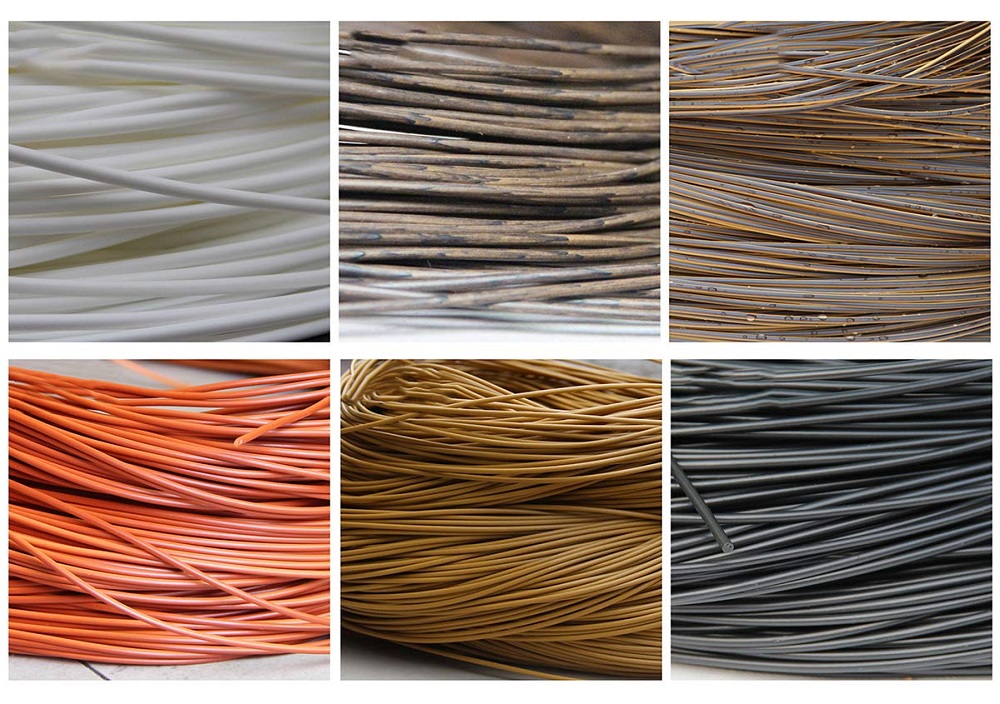
Various synthetic rattan
For outdoor lighting, synthetic rattan is the go-to choice for commercial projects, bulk orders, and markets with harsh weather conditions.
Synthetic vs Natural Rattan: Head-to-Head Comparison (For Outdoor Lights)
To help you decide, we’ve compared the two materials across the factors that matter most to B2B buyers: durability, weather resistance, cost, aesthetics, maintenance, and market fit—specifically for outdoor rattan pendant lights, floor lamps, and lanterns.
1. Durability & Weather Resistance (Most Critical for Outdoor Use)
Outdoor lights are exposed to rain, sun, humidity, and temperature fluctuations—so durability is non-negotiable. Here’s how the two materials stack up:
- Natural Rattan: Without proper treatment, natural rattan is vulnerable to moisture, mold, mildew, and UV damage. It can warp, crack, or fade when left outdoors year-round. Even with waterproof coatings, it’s not ideal for areas with heavy rain (like parts of Europe or South America) or intense sun (like Australia or North America’s southern states). It’s best for covered outdoor spaces (e.g., shaded patios or hotel lobbies) or seasonal use.
- Synthetic Rattan: Designed for outdoor use, synthetic rattan (especially PE rattan) is waterproof, UV-resistant, and mold/mildew-proof. It won’t warp, crack, or fade, even in harsh weather—making it perfect for uncovered patios, gardens, and commercial spaces (hotels, restaurants, resorts) across all your target markets. It’s also more resistant to pests and wear, ideal for high-traffic areas.
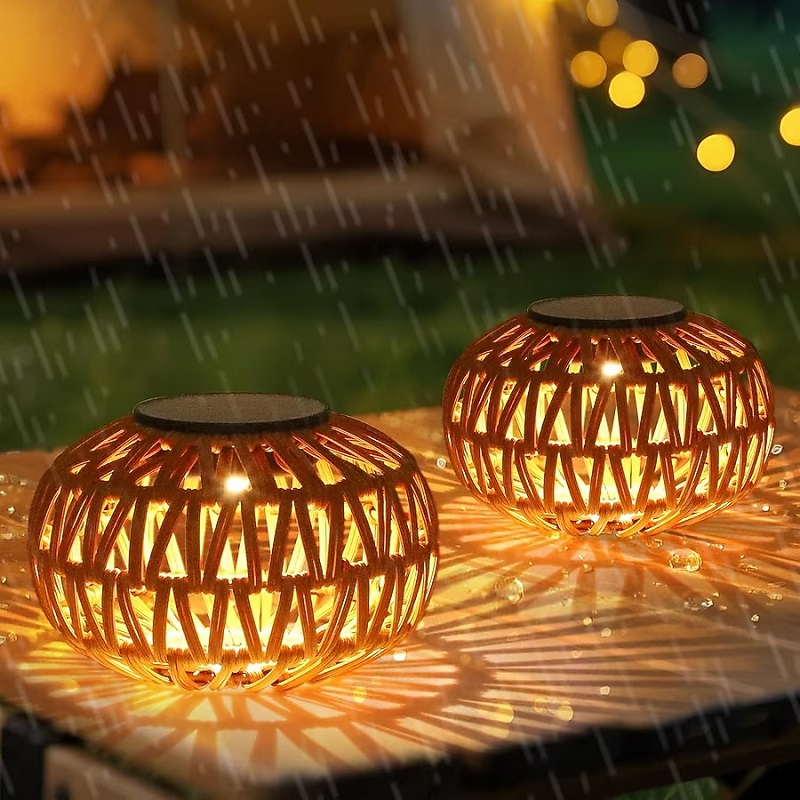
Winner for outdoor lights: Synthetic rattan (especially for bulk orders and commercial projects).
2. Aesthetics & Style
Aesthetics matter for branding and market appeal—especially for trends like boho, coastal, and Japandi that dominate outdoor decor in North America, Europe, and Australia.
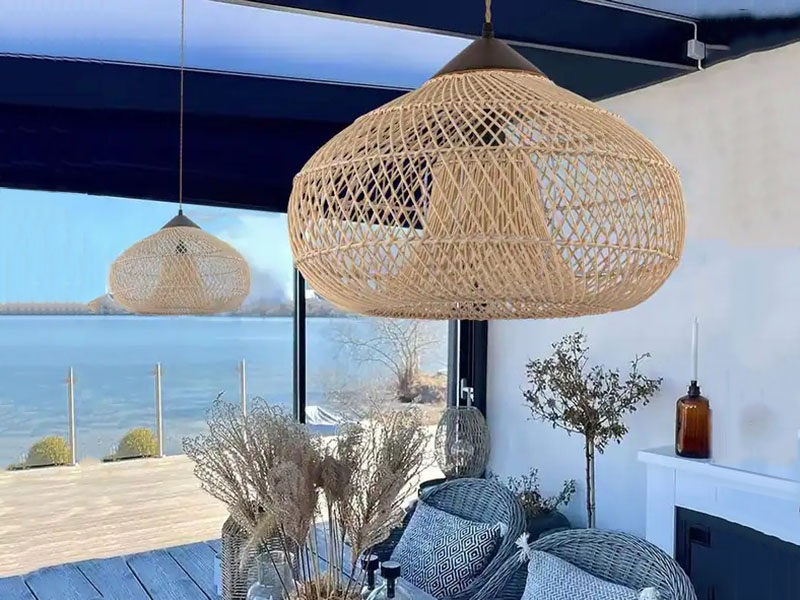
- Natural Rattan: It has a warm, organic, and authentic look that synthetic rattan can’t fully replicate. The natural variations in color and texture (each piece is unique) add a premium, artisanal feel. It’s perfect for high-end brands, handcrafted collections, or markets that value sustainability and natural materials (e.g., Western Europe and Australia).
- Synthetic Rattan: Modern synthetic rattan mimics natural rattan’s texture closely, with the added benefit of consistent color and shape—critical for bulk orders where uniformity is key. It’s available in a wider range of colors (e.g., black, gray, brown, even pastels) to match diverse decor styles, making it versatile for pendant lights, floor lamps, and lanterns.
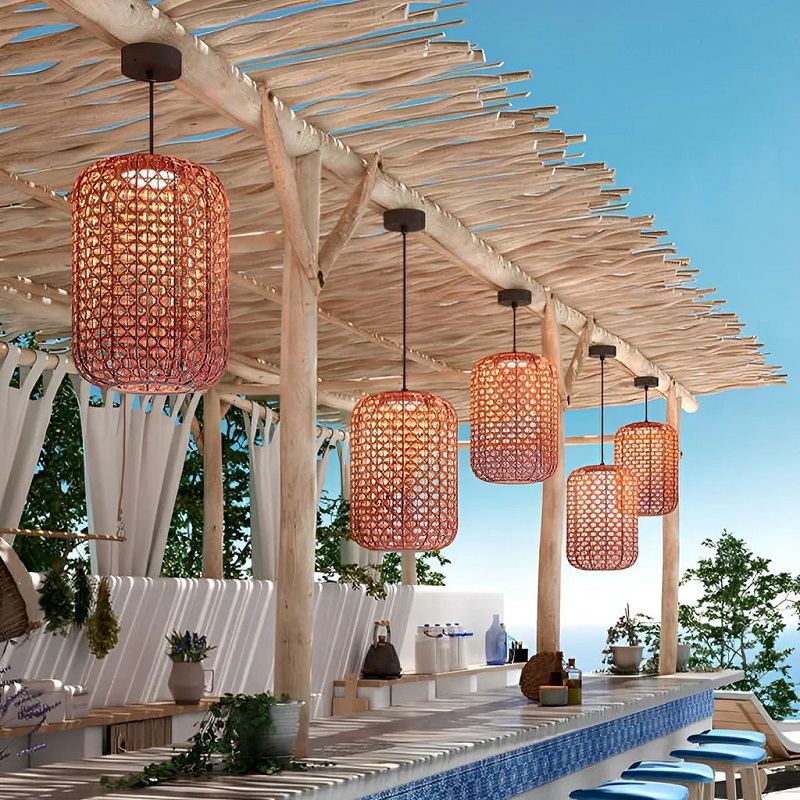
Winner: Natural rattan for premium, artisanal appeal; Synthetic rattan for versatility and uniformity.
3. Cost & Production (B2B Buyer Priority)
For wholesale buyers, cost and production efficiency directly impact profit margins. Here’s how the two materials compare:
- Natural Rattan: Harvesting and processing natural rattan is labor-intensive (often handwoven), which drives up production costs. It’s also subject to supply chain fluctuations (e.g., weather, harvest seasons), leading to longer lead times and higher MOQs for bulk orders. Natural rattan outdoor lights are typically more expensive, making them better for high-margin, premium markets.
- Synthetic Rattan: Synthetic rattan is mass-produced, with lower labor costs and consistent supply. It’s more affordable than natural rattan, especially for bulk orders of outdoor pendant lights, floor lamps, and lanterns. Lead times are shorter, and MOQs are more flexible—ideal for buyers targeting price-sensitive markets (e.g., parts of South America) or large commercial projects.
Winner for B2B wholesale: Synthetic rattan (better cost, supply, and lead time).
4. Maintenance & Longevity
Buyers (and their customers) want outdoor lights that require minimal maintenance and last for years—especially for commercial projects where replacement costs are high.
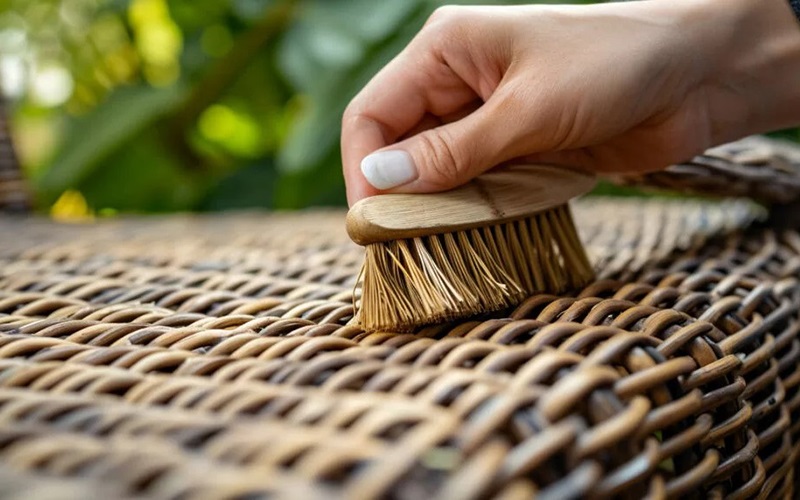
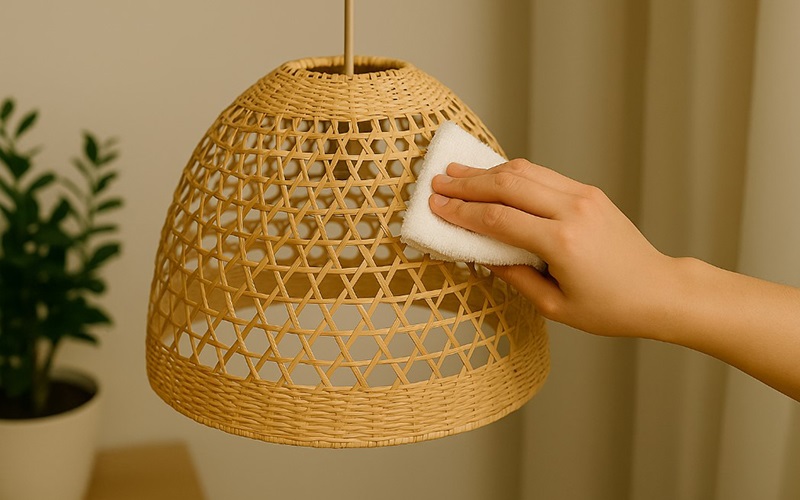
- Natural Rattan: Requires regular maintenance to preserve its appearance. It needs to be cleaned with a damp cloth, dried thoroughly, and re-coated with waterproof sealant annually. Even with care, it has a shorter lifespan (3–5 years) outdoors compared to synthetic rattan.
- Synthetic Rattan: Low-maintenance and long-lasting. It can be cleaned with soap and water, requires no sealing, and has a lifespan of 8–10 years (or more) outdoors. This makes it a better choice for commercial spaces (hotels, resorts) and buyers who want to minimize after-sales support.
Winner: Synthetic rattan (low maintenance, longer lifespan).
5. Sustainability (Growing Market Demand)
Sustainability is a growing priority in North America, Europe, and Australia—buyers are increasingly looking for eco-friendly products.
- Natural Rattan: As a renewable resource (rattan palms regrow quickly when harvested sustainably), it’s viewed as more eco-friendly than synthetic alternatives. However, unsustainable harvesting practices can harm ecosystems—so it’s important to source from certified sustainable suppliers.
- Synthetic Rattan: Made from plastic, synthetic rattan is not biodegradable. However, many manufacturers (including our factory) use recycled PE materials and eco-friendly production processes to reduce environmental impact. It’s also longer-lasting, which reduces waste from frequent replacements.
Winner: Natural rattan (for eco-conscious markets); Synthetic rattan (for sustainable long-term use).
Which Is Better for Your Outdoor Rattan Lights?
Now that you understand the differences, here’s how to choose between synthetic and natural rattan for your wholesale outdoor lights—based on your target market, product type, and business goals:
Choose Synthetic Rattan If:
- You supply commercial projects (hotels, restaurants, resorts) in any of your target markets (North America, Europe, Australia, South America).
- Your buyers prioritize durability, weather resistance, and low maintenance (e.g., outdoor pendant lights for uncovered patios, floor lamps for gardens, lanterns for bulk event orders).
- You need consistent quality, short lead times, and lower costs for bulk orders.
- Your target market is price-sensitive (e.g., parts of South America) or values versatility in color and design.
Choose Natural Rattan If:
- You target premium, eco-conscious markets (e.g., Western Europe, Australia) where natural materials are in high demand.
- Your products are for covered outdoor spaces (e.g., shaded patios, hotel lobbies) or seasonal use.
- Your brand focuses on artisanal, handcrafted products (e.g., handwoven rattan lanterns or pendant lights for high-end retailers).
- You’re willing to invest in higher production costs for a unique, premium aesthetic.
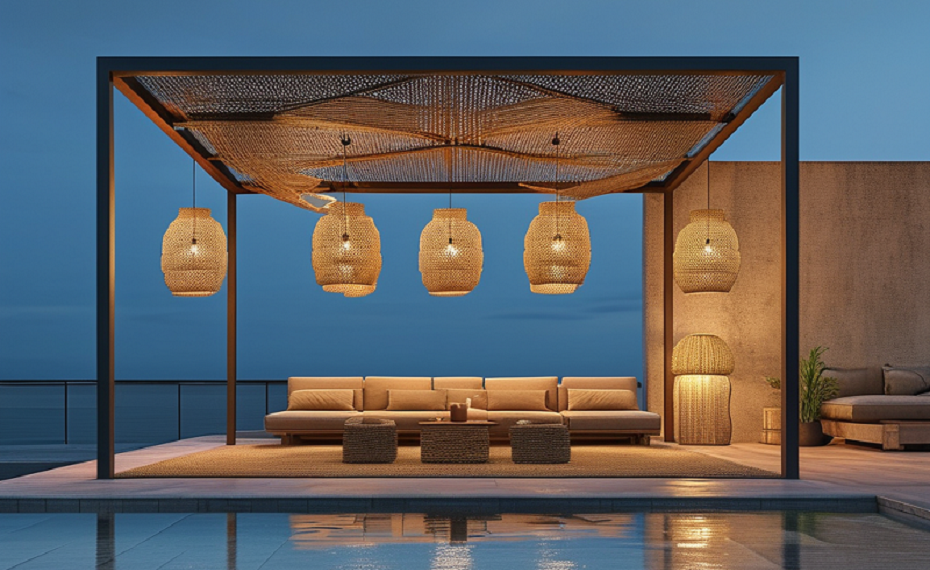
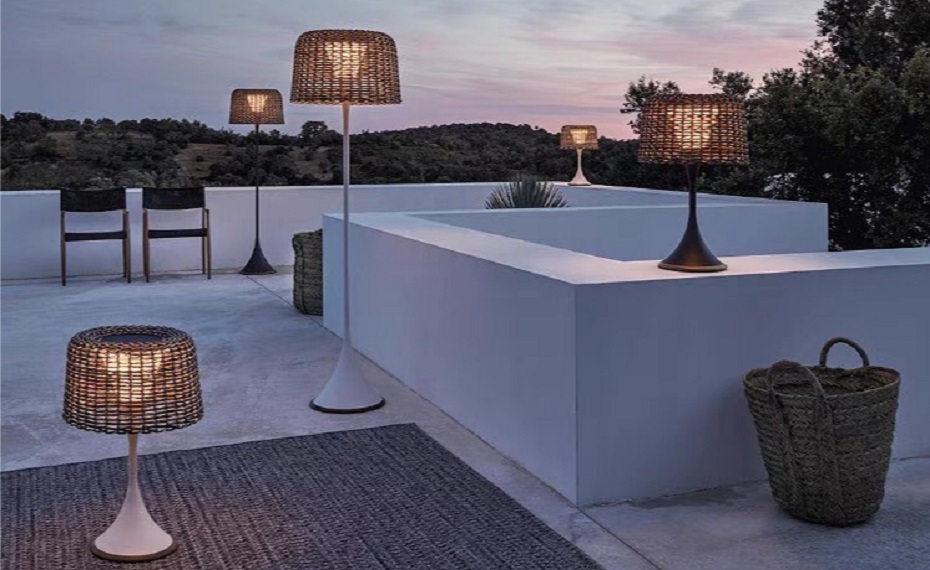
Our Factory’s Recommendation for B2B Buyers
As a leading outdoor rattan light manufacturer, we produce both synthetic and natural rattan pendant lights, floor lamps, and lanterns for global markets. Based on our experience supplying North America, Europe, Australia, and South America, here’s our advice:
For most B2B buyers, synthetic rattan is the more practical choice for outdoor lights. It’s durable, cost-effective, and all weather conditions—making it ideal for bulk orders, commercial projects, and diverse markets. However, if you’re targeting premium segments or eco-conscious buyers, adding a small line of natural rattan outdoor lights can help you stand out.
We also offer customization for both materials: synthetic rattan can be colored to match your brand, while natural rattan can be treated with eco-friendly waterproof coatings to extend its lifespan. Our UL/CE/SAA certified products ensure compliance with your target markets’ safety standards, whether you choose synthetic or natural rattan.
Conclusion
Synthetic and natural rattan both have their place in outdoor lighting—there’s no “one better” option, only the right option for your business. By considering your target market, product use case, budget, and brand positioning, you can choose the material that drives the most sales and customer satisfaction.
Seeking Professional Support
If You Are in Business, You May Like
Post time: Mar-02-2026