


The Difference Between Rattan and Bamboo Lamps: A Comprehensive In-Depth Analysis from Materials to Aesthetics, Indoor to Outdoor Use
In today's world, where natural styles, sustainable design, and handcrafted aesthetics are increasingly popular, rattan lamps and bamboo lamps have almost become synonymous with "warmth" in home design and commercial spaces. Both originate from nature, are light and warm, yet exhibit distinct personalities in every detail—from appearance to texture, from craftsmanship to durability, from lighting to scene representation.
Many designers, when initially choosing, only have the impression that "rattan and bamboo are somewhat similar." However, the differences between the two go far beyond just surface materials. Their fundamental differences determine their significant distinctions in visual appeal, craftsmanship, tactile feel, lifespan, maintenance, and even price.
Let XINSANXING guide you through a complete understanding of the true differences between rattan and bamboo lamps, helping you make a choice that better suits your project needs. You will see their similarities, and you will also clearly feel their differences.
Rattan and Bamboo: Differences in Materials
Both rattan and bamboo are common natural materials in Asia and Southeast Asia, but their growth characteristics are drastically different.
Rattan is like a nimble dancer in the forest; it's neither a tree nor bamboo, but a climbing plant that twines from the ground to the treetop. Natural rattan has tightly packed internal fibers, making it flexible and resilient. People are often initially drawn to rattan's softness and warm color.
Bamboo, on the other hand, is more like a decisive architect—upright, rigid, and rhythmic. It has distinct nodes, a straight shape, and a hollow center. Touching bamboo, you can feel a clean and crisp strength.

This difference between "softness" and "rigidity" directly affects the lamp's manufacturing process and performance.
Visual Experience: The Gentleness of Rattan Lamps vs. the Restraint of Bamboo Lamps
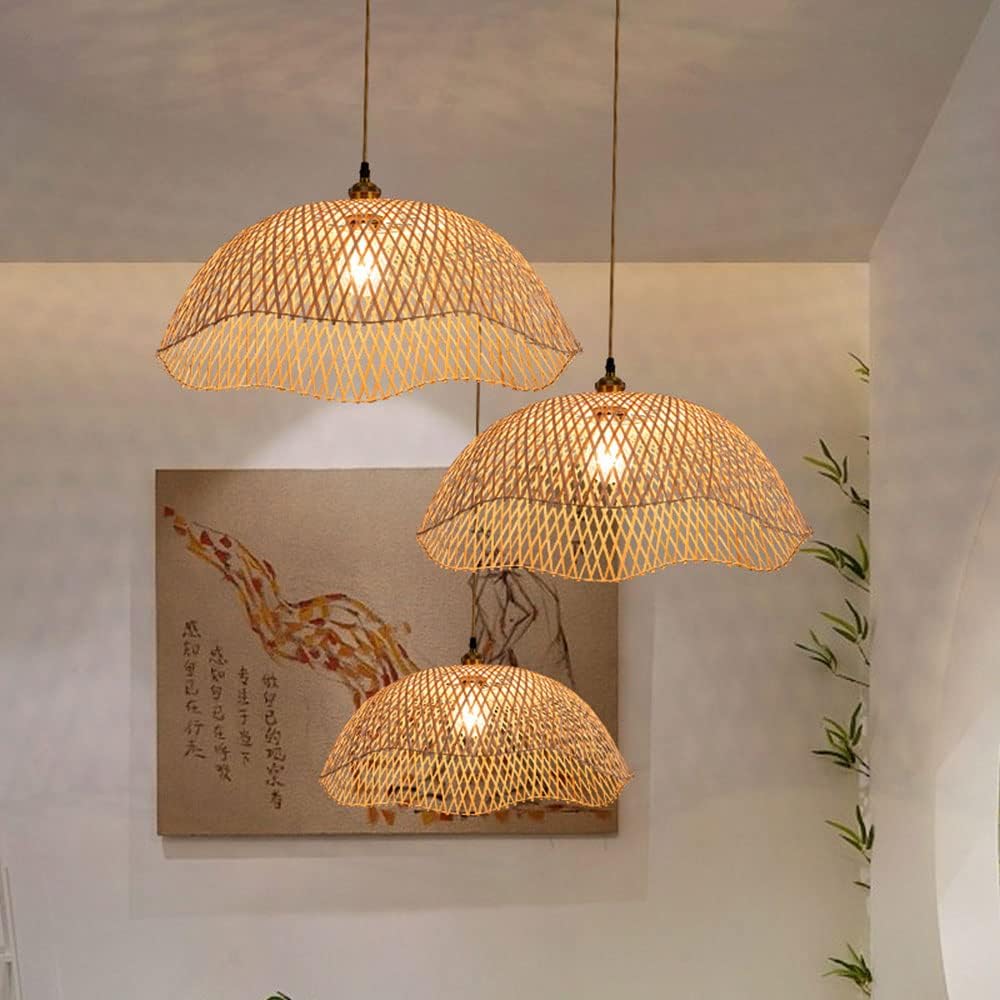
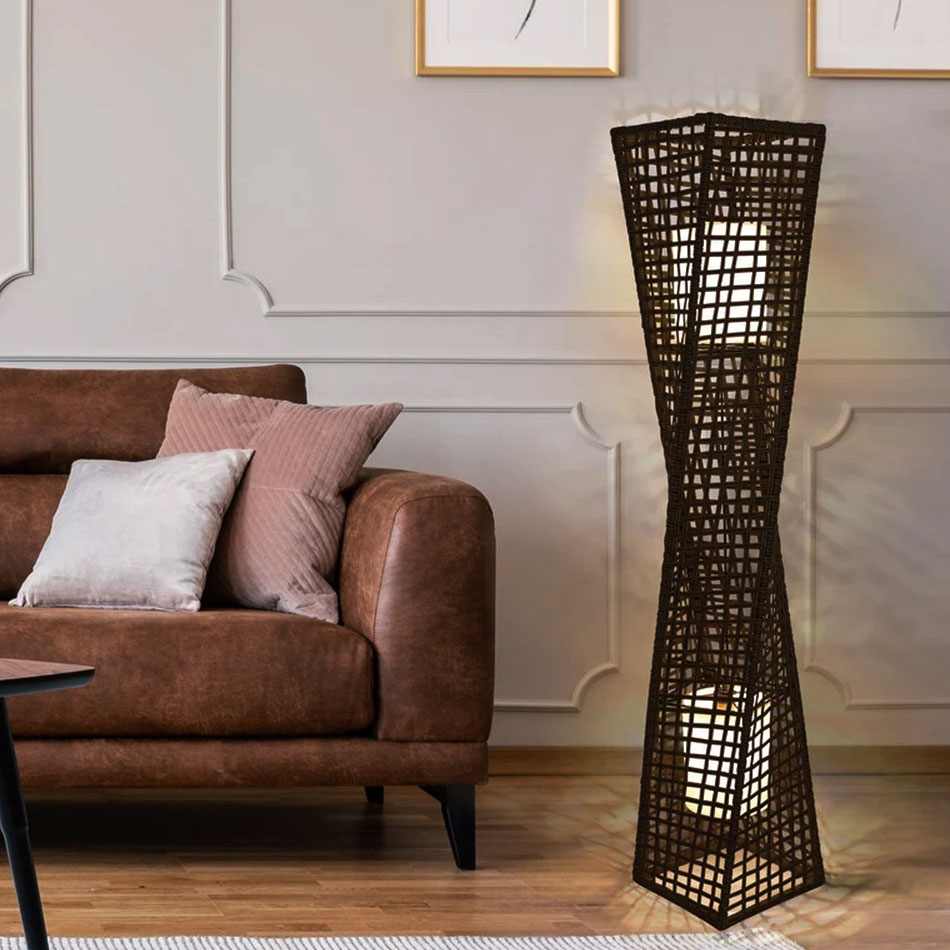
Those who look at rattan lamps are rarely unmoved by their "warmth." Because rattan can be bent freely, the hand-woven lampshade naturally displays soft lines such as curves, waves, and spheres. When the lamp is lit, the light slowly spills out from the fine gaps, as soft as candlelight, carrying a sense of life and the warmth of home.
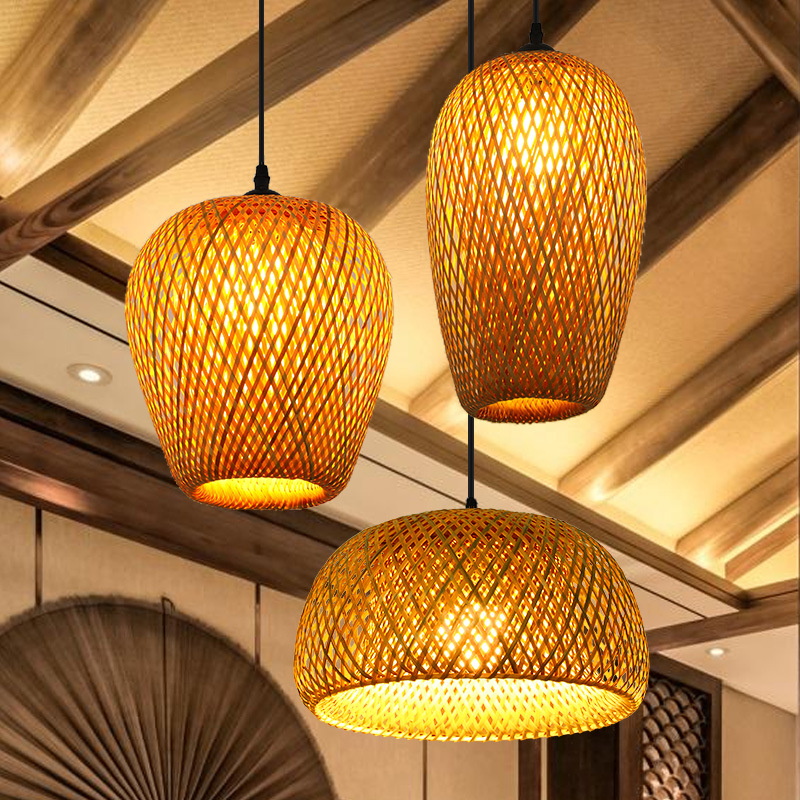
Bamboo lamps, on the other hand, emit light as clearly and rhythmically as their straight shape. The bamboo strips are usually spaced evenly, creating a large area of clearly defined light and shadow, perfect for minimalist, Japanese, or Zen-inspired spaces. Entering a tea room or courtyard using bamboo lamps often brings a sense of tranquility.
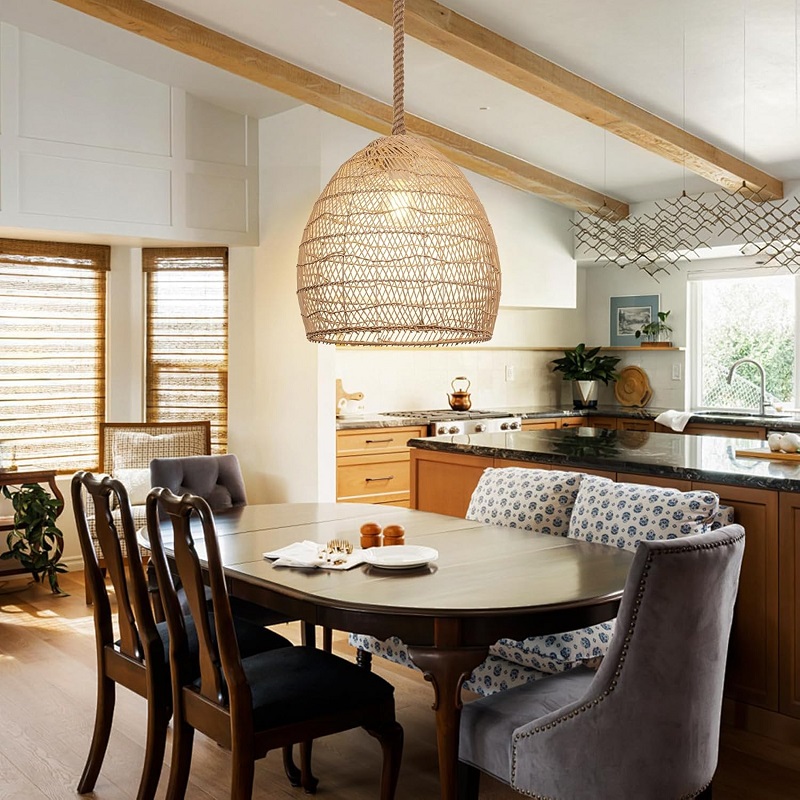
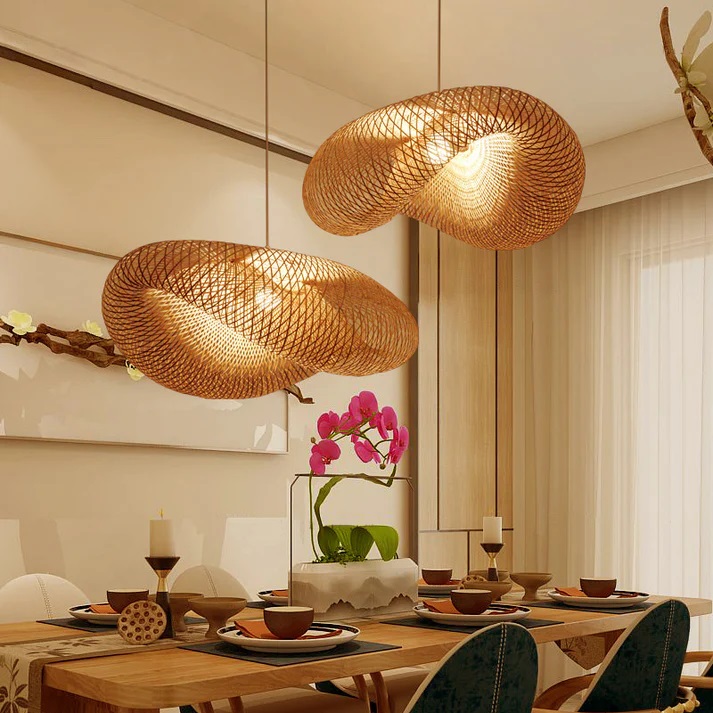
If rattan lamps are "warm companionship," bamboo lamps are "quiet order."
Differences in Craftsmanship: Two Completely Different Creative Approaches
Craftsmen treat rattan and bamboo in almost entirely different ways.
When processing rattan, they typically soak and steam the rattan, then slowly bend it into the desired curve using their hands. Craftsmen love rattan because of its compliant nature—you shape it, and it extends according to your hand movements. Weaving rattan lamps is a slow-paced handicraft, like weaving cloth, but with more freedom.
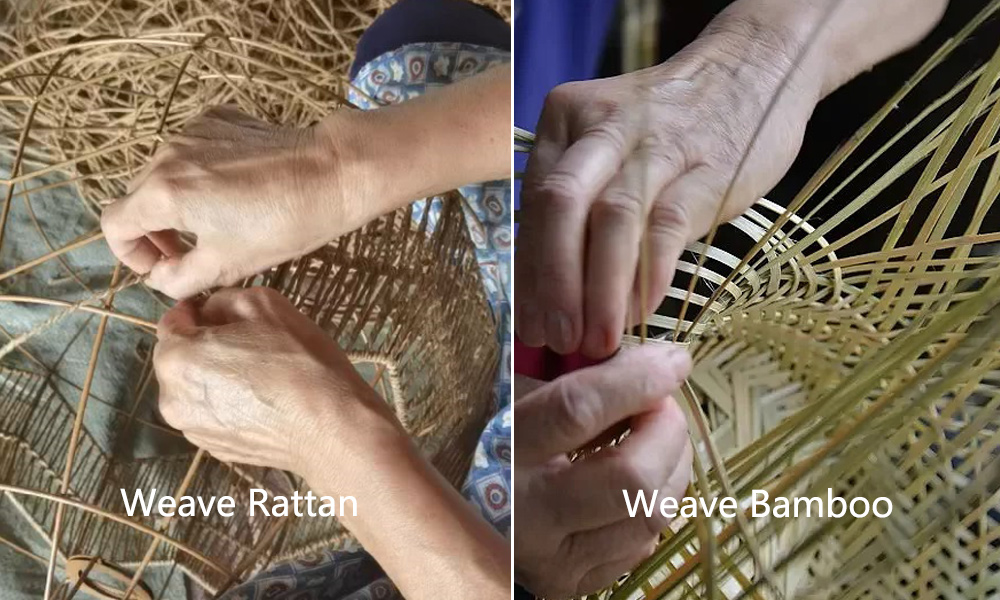
Bamboo is processed entirely differently. Even after steaming, it retains its high hardness, requiring cutting, shaving, shaping, and more precise splicing. The arrangement of bamboo strips needs to be meticulous; even a slight difference in size will deform the lampshade. Making a bamboo lamp is more like building an architectural model—the craftsmanship is delicate and requires patience.
Therefore, rattan lamps have more varied shapes, while bamboo lamps have a more stable and structurally robust form.
Tactile Experience and Usage: Soft Rattan vs. Refreshing Bamboo
Rattan lamps feel warm and smooth to the touch; their gentle curves create a relaxing atmosphere. The soft texture of rattan, without any sharp edges, makes them ideal for intimate spaces like homes, guesthouses, and cafes.
Bamboo lamps, on the other hand, have a noticeably crisper feel. The edges of the bamboo strips are smoothly polished, resulting in a smooth yet refreshing touch with a touch of natural fiber. This quality of bamboo lamps makes them particularly suitable for minimalist, naturalistic, or Eastern-inspired spaces.
Durability and Long-Term Performance: The Real Difference
Many people don't know that the biggest difference between rattan and bamboo lamps isn't their design, but their performance over long-term use.
Rattan's flexibility makes it less prone to breakage, but it easily absorbs water and softens in humid environments. Therefore, for outdoor use, waterproof coatings or synthetic rattan must be used. The advantage is that synthetic rattan (HDPE) has high colorfastness, strong sun resistance, and can last for several years.
Bamboo is hard, but hardness also means brittleness. Bamboo is very susceptible to environmental changes; sudden temperature changes and humidity fluctuations can cause minor cracks. High-quality bamboo lamps must undergo carbonization, crack prevention, and surface hardening treatments; otherwise, they are unlikely to last long.
If you need to use it outdoors for extended periods, synthetic rattan is almost always more stable than bamboo.
Light and Shadow Effects: One Pursues Gentleness, the Other Order
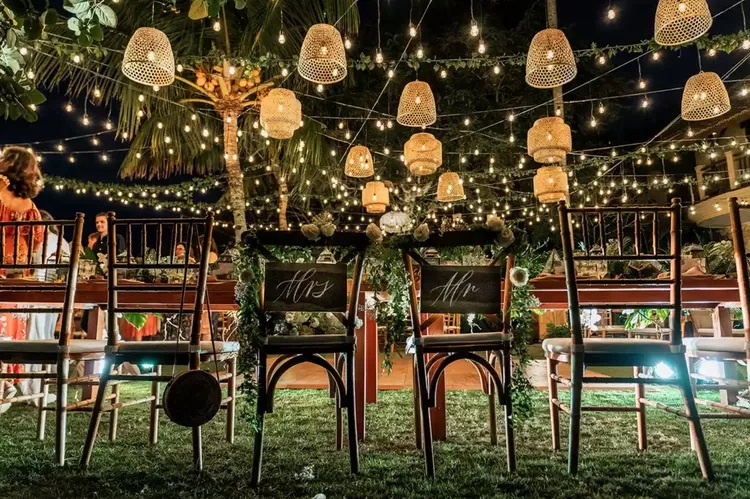
The light and shadow of a rattan lamp are fragmented, soft, and playful. The light flows out like water from the gaps, creating a warm, homely atmosphere. Many people first fall in love with rattan lamps because of this "homely light."
The light and shadow of a bamboo lamp are more directional. The gaps between the bamboo strips project regular lines, some even radiating outwards like architectural lighting. It is quiet, but not dull; restrained, yet beautiful.
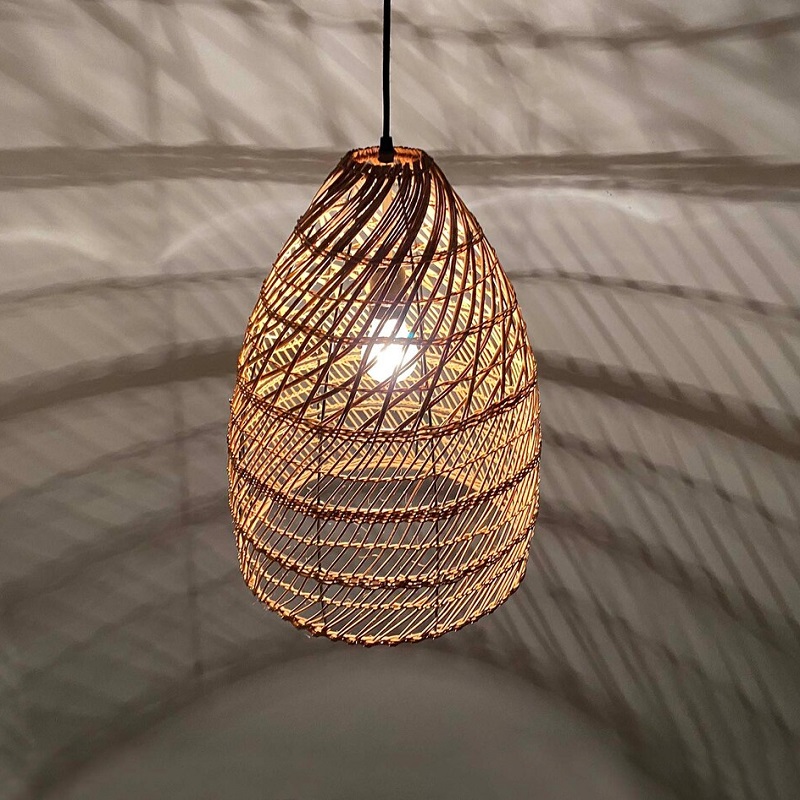
Shadow effects of rattan lamps
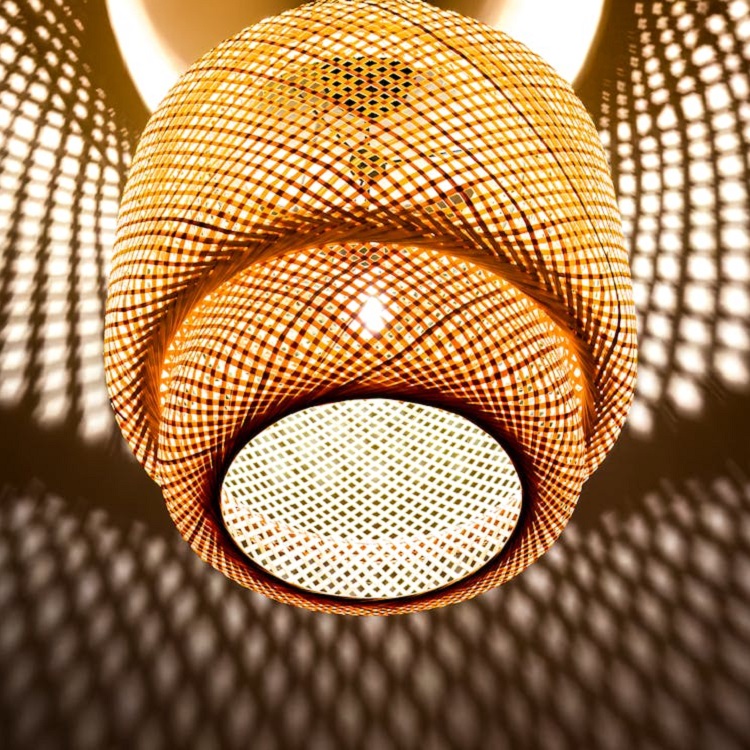
Shadow effects of bamboo lamps
Differences in Application Scenarios
Where rattan lamps are used, spaces become softer. They are generally used in:
· Dining rooms, kitchen islands
· Living rooms, bedrooms
· Guesthouses, cafes
· Courtyards, terraces
· Outdoor spaces of resort hotels
Bamboo lamps have a more culturally significant style, making them more suitable for:
· Tea rooms
· Japanese restaurants
· Courtyard landscaping
· Hotel lobbies
· Scenic walkways
· Minimalist and Oriental-style spaces
Choosing rattan or bamboo is essentially choosing a lifestyle.
Environmental Protection and Sustainability
Rattan grows extremely fast, and its felling does not disrupt the ecosystem. Bamboo grows even faster, earning it the nickname "the plant that can grow a segment every day." Therefore, both are recognized as environmentally friendly materials.
However, bamboo processing requires more steps, while rattan can be directly incorporated into the weaving process. Therefore, rattan lamps generally have lower energy consumption, while bamboo lamps have slightly higher energy consumption during processing, but their natural durability is also greater.
Cost Differences: Why the Price Difference?
Generally, bamboo lamps have a more complex processing procedure, resulting in higher manufacturing costs than rattan lamps. The price of rattan lamps depends more on the complexity of the weaving, the difficulty of the design, and whether outdoor synthetic rattan is used.
Overall, rattan lamps offer a wider variety of designs, resulting in a greater price range; bamboo lamps have more stable prices, but typically a higher upper limit.
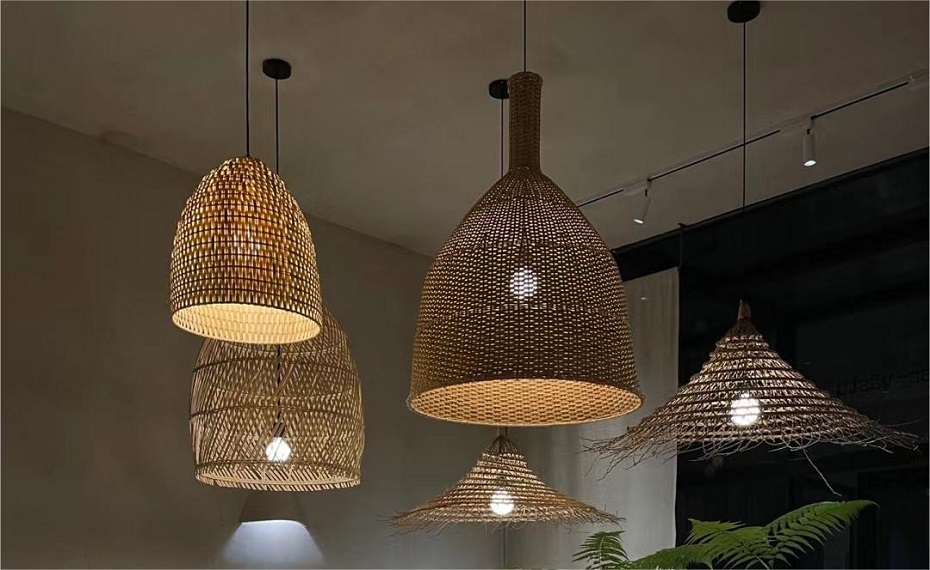
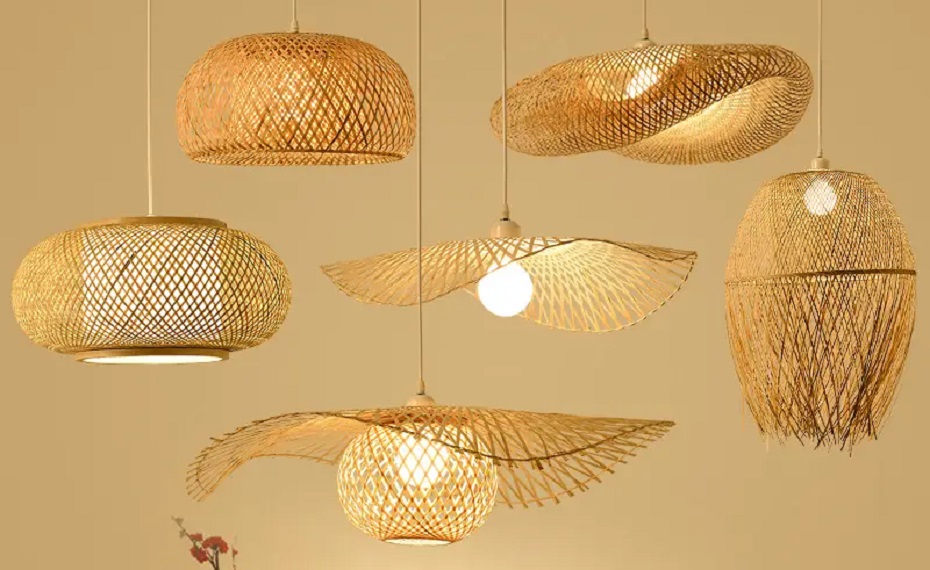
Conclusion
Rattan lamps and bamboo lamps each have their own characteristics, but they are by no means the same.
* If you prefer warm, soft, and inviting lighting, rattan lamps are perfect for you.
* If you favor minimalism, geometric shapes, Eastern aesthetics, and clean lines and shadows, bamboo lamps are a better choice.
* If you want your lamps to be placed outdoors, especially in environments with plenty of sunlight and rain, "synthetic rattan lamps" are generally more durable than bamboo lamps.
* If you are a designer of commercial spaces (especially restaurants, hotels, and teahouses), bamboo lamps can bring more culture and a sense of ceremony, while rattan lamps are more approachable and easier to match.
That concludes XINSANXING's sharing. In general, there's no inherent superiority of rattan lamps over bamboo lamps; the key to choosing lies in your needs and whether they align with your aesthetic preferences.
If You Are in Business, You May Like
Post time: Nov-27-2025