


Rattan has become one of the most beloved materials in outdoor decoration. Its warm texture, handwoven character, and organic beauty make it ideal for patios, gardens, porches, and balconies.
But if you’ve ever owned a rattan lamp—real or synthetic—you may have wondered: Can rattan lamps really survive outdoors?
And more importantly: How do you protect them from sun, rain, humidity, and daily wear?
XINSANXING's professional guide breaks down how rattan lamps survive outdoors, what conditions they need, and how you can keep them looking beautiful in any season.
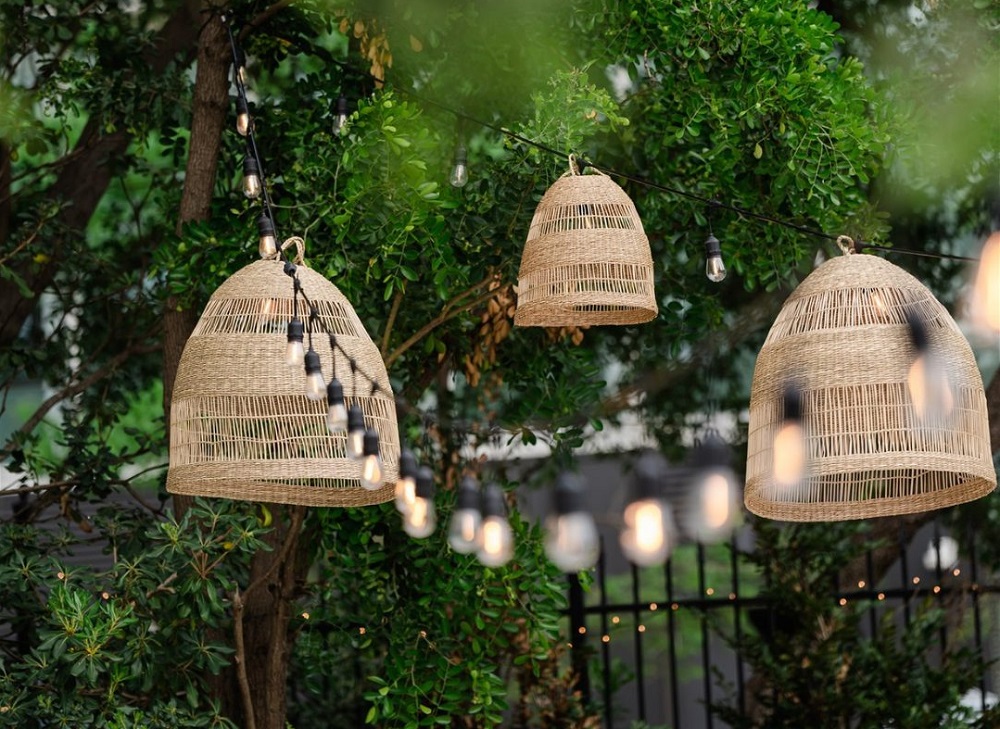
The truth is, rattan can absolutely live outdoors—but it depends on the type of rattan, the environment, and how you care for it. Natural rattan, synthetic rattan, and weatherproof-coated rattan each behave differently. Understanding these differences is the first step to making your lamps last for years instead of months.
First: Understand natural rattan and synthetic rattan.
Before talking about durability, you need to know what your lamp is made of. Outdoor performance is highly dependent on the material.
1. Natural Rattan
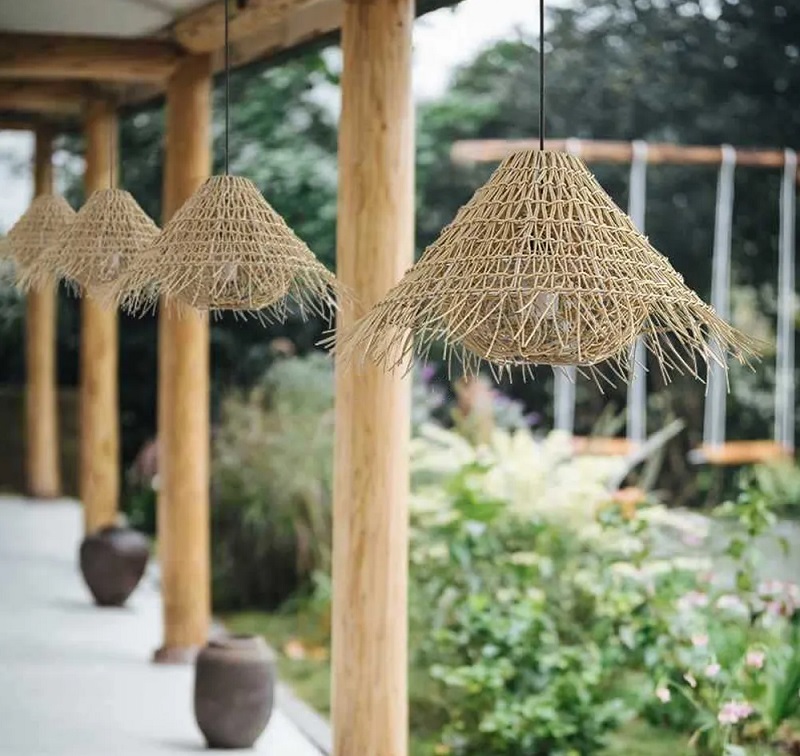
Natural rattan is made from climbing palms native to tropical regions. It’s lightweight, flexible, and beautiful—but sensitive to: Rain, Humidity, UV exposure, Mold and mildew.
Natural rattan can be used outdoors, but only in covered or semi-covered spaces. Think porch ceilings, sheltered patios, balconies, and gazebos.
2. Synthetic Rattan (PE Rattan / All-weather Rattan)
This is the true outdoor champion. Made from polyethylene (PE) or similar weather-resistant materials, synthetic rattan is designed to withstand: Direct sunlight, Rain, Heat, Moisture, Cracking or fading.
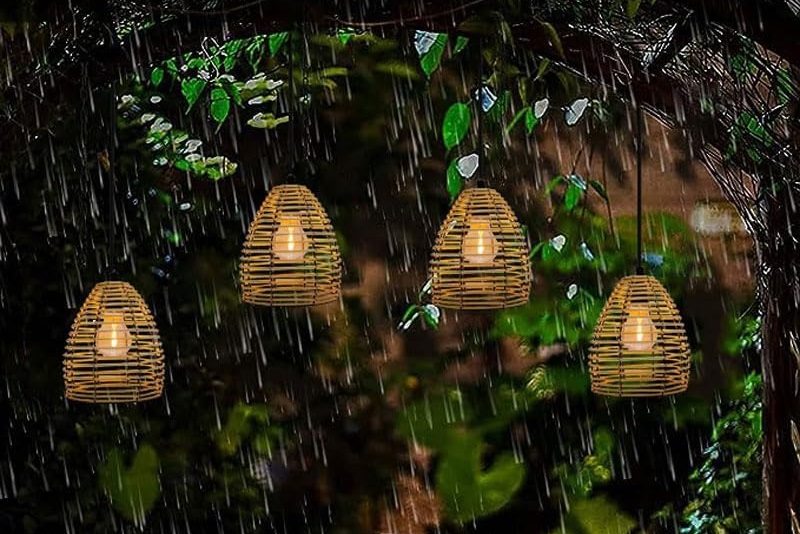
If your lamp is labeled as “all-weather” or “outdoor-safe,” it’s almost always synthetic rattan.
3. Coated or Treated Natural Rattan
Many high-quality brands, in order to preserve the natural texture of rattan while also ensuring its durability, use specially treated natural rattan. This treatment includes applying waterproof coatings, UV-resistant sprays, and adding weather-resistant finishes, which enhances the outdoor durability of the natural rattan.
This type of rattan falls between natural and synthetic rattan – it's more durable than untreated natural rattan, but still not suitable for extreme weather conditions.
Why Natural Rattan Struggles Outdoors
Many people fall in love with the warmth of natural rattan, only to be disappointed when their lamp: fades, becomes brittle, molds, warps or unravels.
This isn’t a quality issue—it’s the nature of the material. Rattan is a plant fiber. When exposed to outdoor conditions:
1. Rain or humidity can settle inside the fibers, causes swelling and mold.
2. UV light breaks down the cellulose, causes fading, dryness, and cracking.
3. Temperature swings change the fiber tension, leading to warping or discoloration.
If you want the look of real rattan outdoors without the worry, synthetic rattan is the safest choice.
How Rattan Lamps Can Stay Beautiful Outdoors: Practical Strategies
Now let’s talk about how to help rattan lamps truly survive outside. These methods work for both natural and synthetic rattan but with different impact levels.
1. Choose the Right Location. This is the biggest factor in outdoor survival.
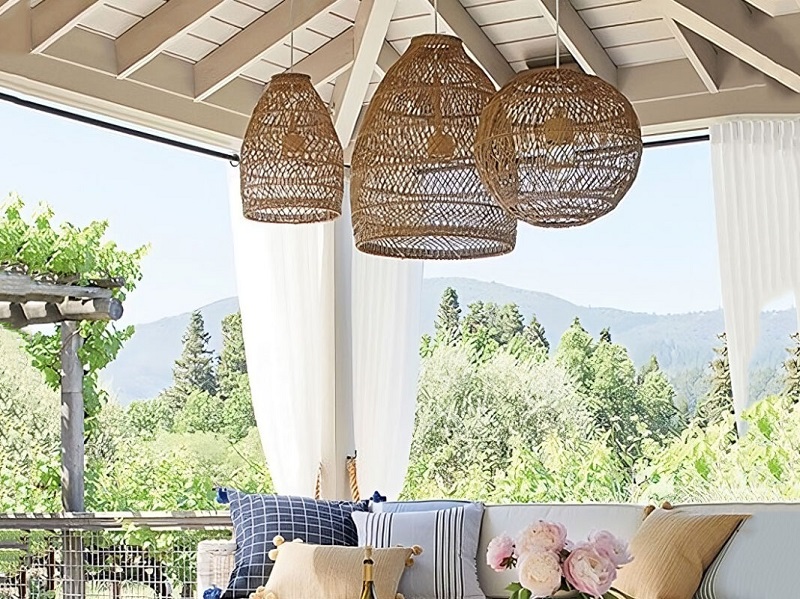
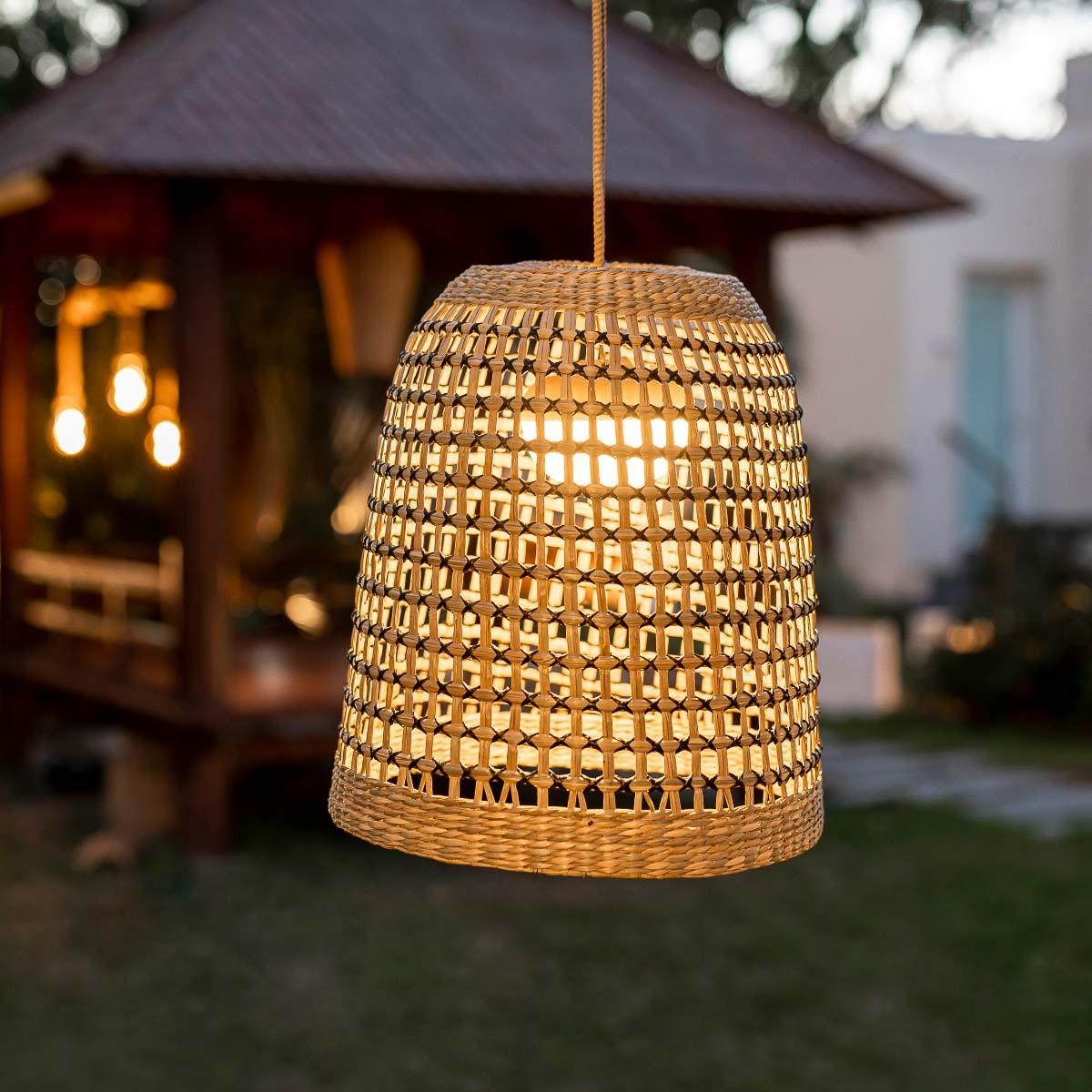
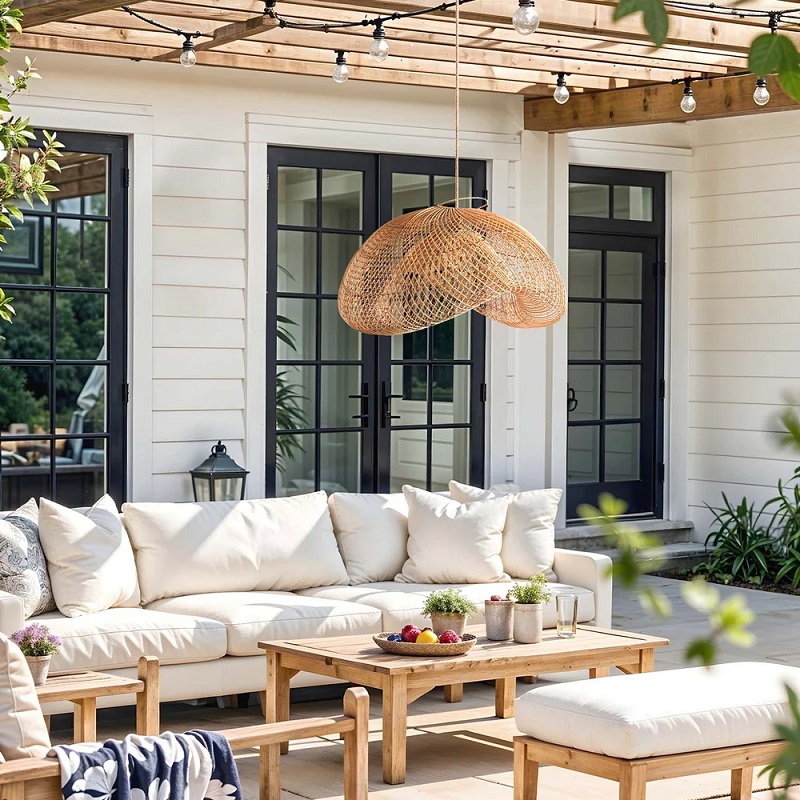
Best for Natural Rattan: Covered patios, Under pergolas, Inside gazebos, Under balcony ceilings, Sunrooms or screened porches, Natural rattan should never sit where rain falls directly.
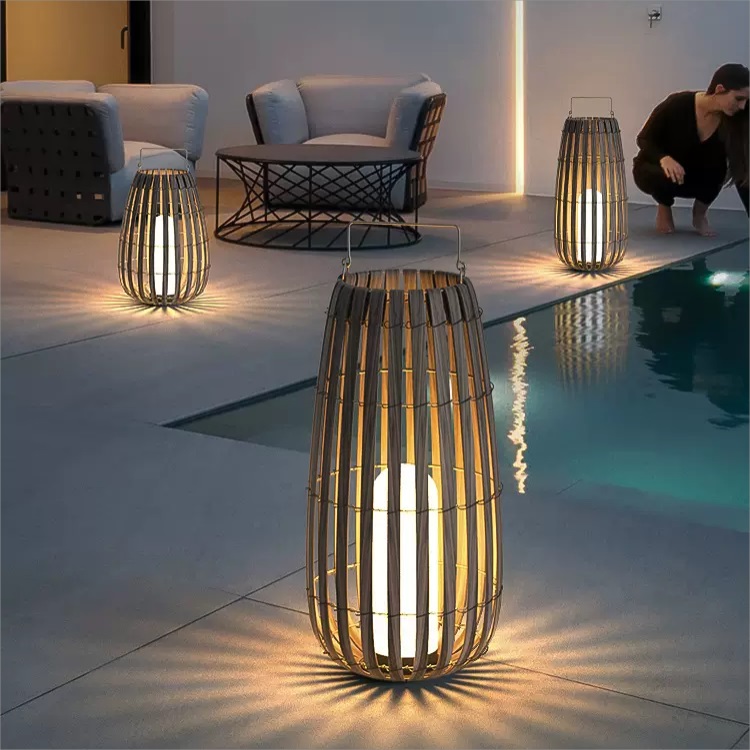
Best for Synthetic Rattan: Anywhere outdoors, even poolside or gardens. Synthetic rattan is UV-resistant and waterproof, making it perfect for fully exposed environments.
2. Keep Lamps Elevated and Ventilated
Rattan needs airflow. Lamps that hang or float have better longevity because moisture evaporates quickly.
Avoid placing rattan lamps:
2.1. Directly on wet ground.
2.2. Inside enclosed humid spots.
2.3. Against walls where air doesn’t circulate.
Ventilation prevents mold and expanding fibers.
3. Apply Protective Coatings (For Natural Rattan)
If you’re using natural rattan outdoors, sealing is essential.
Recommended treatments: Clear waterproofing sealant, Anti-UV spray, Outdoor wood/rattan varnish. Reapply every 6–12 months, depending on climate.
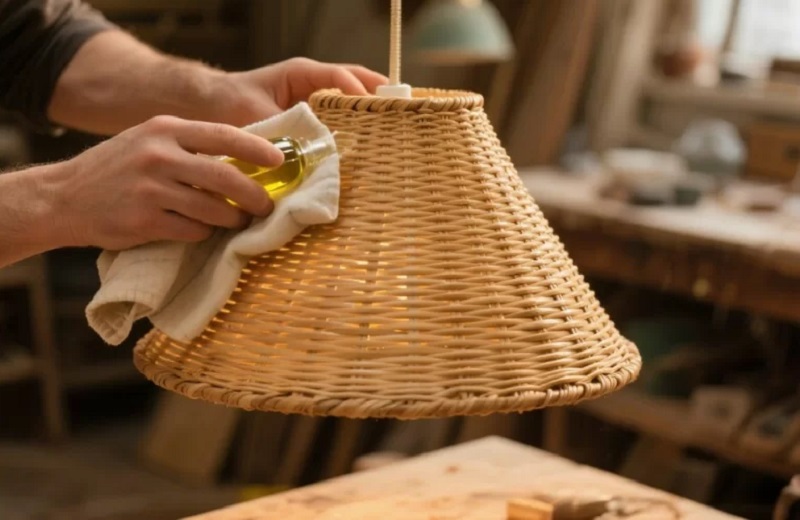
Tip: Always test on a small hidden area first to ensure the finish doesn’t darken unnaturally.
4. Bring Them Indoors During Extreme Weather
In the face of severe weather conditions such as storms, hurricanes, dust storms, prolonged periods of heavy rain, and snowy seasons, temporarily storing wicker light fixtures can significantly extend their lifespan.
Even synthetic rattan benefits from this habit. It's similar to cushions for outdoor furniture – you can leave them outside, but storing them away will allow you to use them for several more years.
5. Use Weather-Resistant Bulb Systems
Bulbs and wiring are as important as the rattan shade. For outdoor safety, choose:
5.1. IP44 or above waterproof sockets
5.2. Solar-powered rattan pendant lights
5.3. Battery-powered rattan lanterns
5.4. Low-voltage outdoor lighting systems
High-IP lighting systems prevent electrical issues and extend overall durability.
6. Clean Regularly to Prevent Mold and Dust Build-Up
Routine cleaning protects the fibers and prevents dark stains.
Cleaning methods for natural rattan:
· Wipe with a slightly damp cloth
· Use soft brushes for crevices
· Avoid soaking or spraying directly
Cleaning methods for synthetic rattan:
· Wash with water
· Mild soap if needed
· Rinse and air-dry
Outdoor dust, pollen, and pollution can degrade the surface if ignored.
7. Keep Lamps Away from Constant Direct Sun
If your patio is completely exposed to sunlight, consider installing an awning or building a gazebo roof, and hang the light fixtures slightly inward to avoid prolonged direct sunlight.
However, since the synthetic rattan material is treated with UV stabilizers, it can withstand direct sunlight, so there's no need to worry.
How Long Can Outdoor Rattan Lamps Last?
This depends heavily on material and climate:
· Natural rattan outdoors: 1–3 years in covered areas
· Treated natural rattan: 2–4 years
· Synthetic rattan: 5–10 years or more, even under sun and rain
So yes—rattan lamps CAN live outside, especially when made for outdoor use.
When Should You Choose Synthetic Rattan Instead?
Choose synthetic rattan if:
· Your lamp will hang in an open garden.
· Rain or snow exposure is unavoidable.
· You live in humid or tropical climates.
· You want low maintenance.
· You want long-term durability.
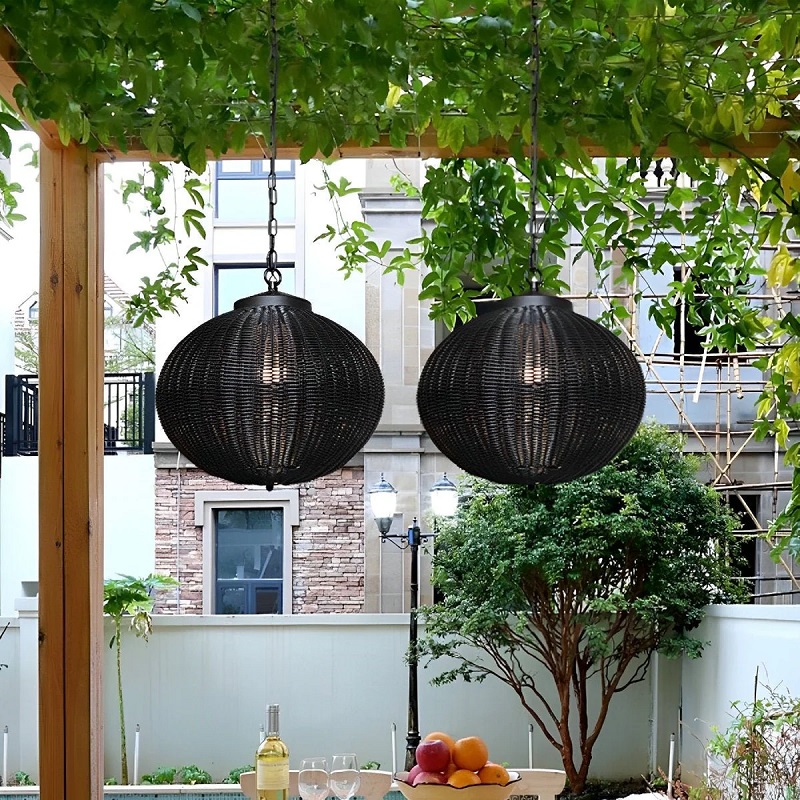
Synthetic rattan can mimic the texture of some natural rattan while also possessing the characteristics suitable for outdoor use. If you don't require a strictly natural texture, the handcrafted weaving artistry of synthetic rattan can also meet your needs.
Conclusion
Rattan lamps survive outdoors when material, placement, and care align with the environment. Natural rattan offers beauty but needs shelter and gentle handling. Synthetic rattan delivers long-lasting performance, even in the harshest outdoor conditions.
You May Like
Post time: Dec-12-2025