


With people's continued pursuit of nature, outdoor lifestyles, and the aesthetics of home spaces, outdoor lighting is poised for a significant upgrade in 2026. Lighting is no longer just about changing the brightness of the outdoor environment; it's becoming a crucial element in showcasing lifestyle and taste. From the application of eco-energy to the rise of artistic lighting fixtures, from smart technology to natural textures, this year's outdoor lighting trends are becoming more diverse and sophisticated than ever before.
If you're looking to reshape the nighttime atmosphere of your garden, patio, or backyard, XINSANXING's trend guide will show you the most noteworthy design directions for 2026. Whether it's enhancing safety, improving visual appeal, or creating a unique outdoor living space, these trends offer tangible inspiration.
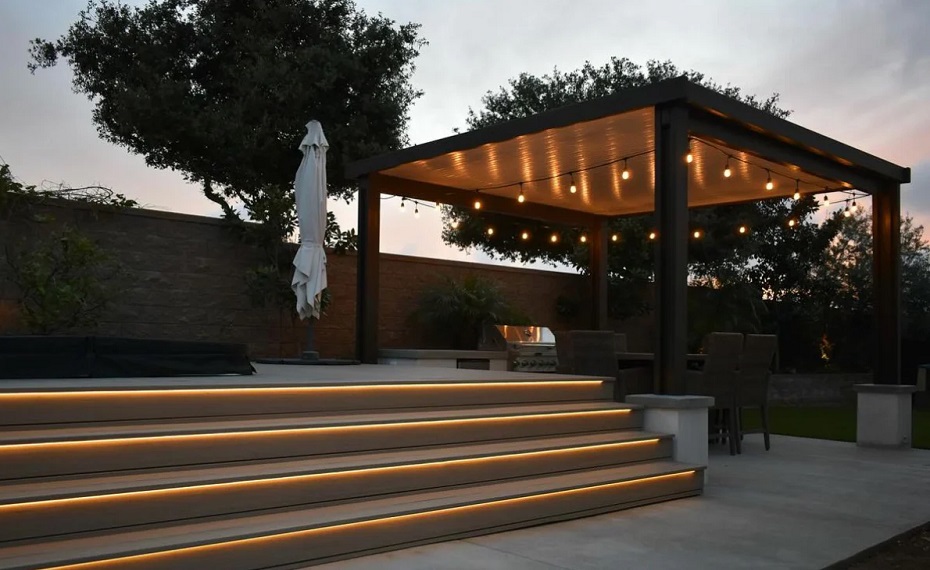
I. Why Outdoor Lighting Remains Crucial in 2026?
1. Light Becomes a Core Component of the Outdoor Lifestyle
Unlike the past, which relied solely on functional lighting, outdoor lighting in 2026 emphasizes "experience." Light begins to take on more scenarical functions: shaping the mood of outdoor spaces, extending the usability of terraces and gardens, enhancing the safety of paths and entrances, and improving the overall aesthetics of courtyards.
Whether it's garden lights or pendant lights, lighting fixtures are increasingly becoming part of the interior design, rather than just lighting tools.
2. Outdoor areas are being redefined as "all-weather living spaces."
Outdoor areas are no longer just extended spaces for daytime use; more and more families are using them for evening meals, reading and relaxation, family gatherings, weekend parties, and other outdoor activities. Therefore, soft, comfortable, and atmospheric lighting is essential. This has made LED linear lights, string lights, and decorative pendant lights an indispensable part of everyday outdoor living.
3. Sustainable Consumption Trends Make Solar and Energy-Saving Lighting More Popular
Energy conservation and environmental protection remain key themes for 2026. Solar lights, with their advantages of automatic charging, zero electricity costs, easy installation, smarter light control systems, longer-lasting battery technology, and continuously evolving technology, are gaining a larger share in the outdoor market. Meanwhile, environmentally friendly materials such as bamboo, rattan, and recycled materials are also highly favored by consumers due to their natural texture and low environmental impact.
4. Technology is more closely integrated with outdoor lighting
Today's outdoor lights have evolved to include intelligent technologies such as APP control of brightness/color temperature, automatic sensing modes, smart anti-theft, voice control, and multi-scene presets, making them more "interactive" and gradually occupying outdoor spaces, becoming an important part of outdoor design.
II. Top Ten Outdoor Lighting Trends in 2026
1. Sustainable lighting continues to lead the way.
Energy conservation and environmental protection remain among the most important factors for consumers.
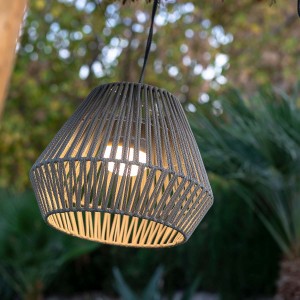
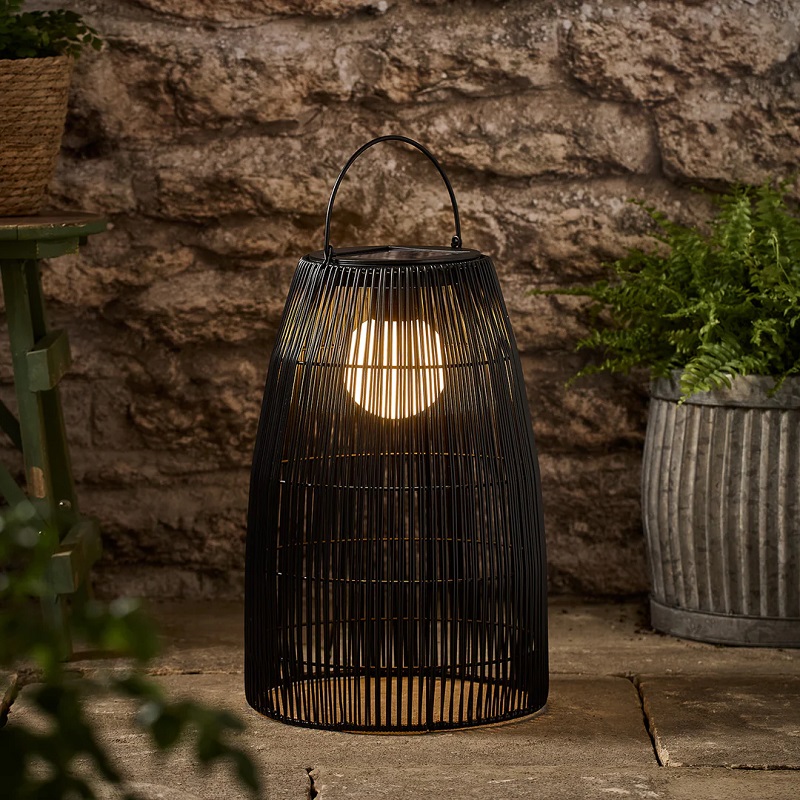
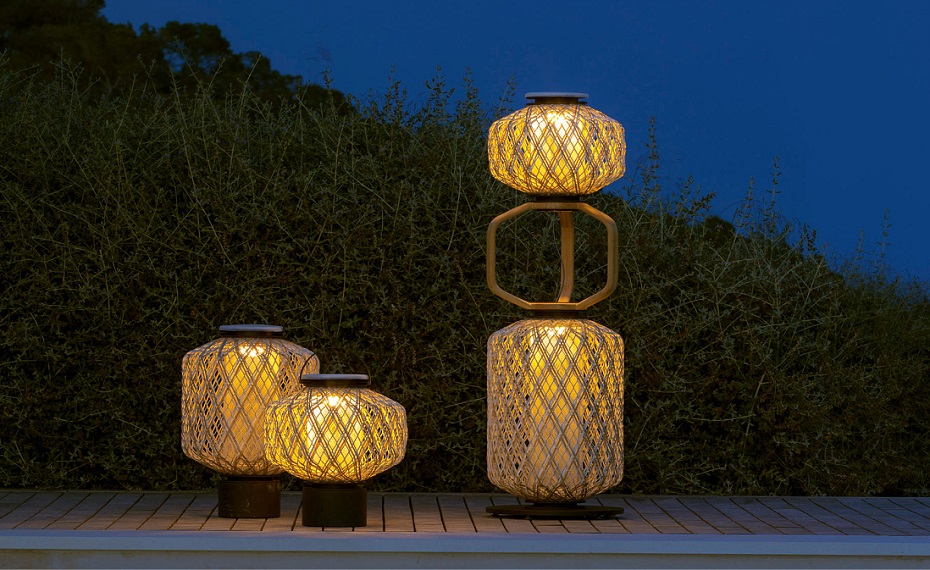
The design of solar outdoor lights is shifting from basic to high-end models: larger solar panels, high-efficiency LEDs, warmer light colors, and atmospheric designs. Furthermore, natural woven materials are gradually becoming a mainstream choice for decorative lighting.
2. Smart Outdoor Lighting Systems Enter Maturity
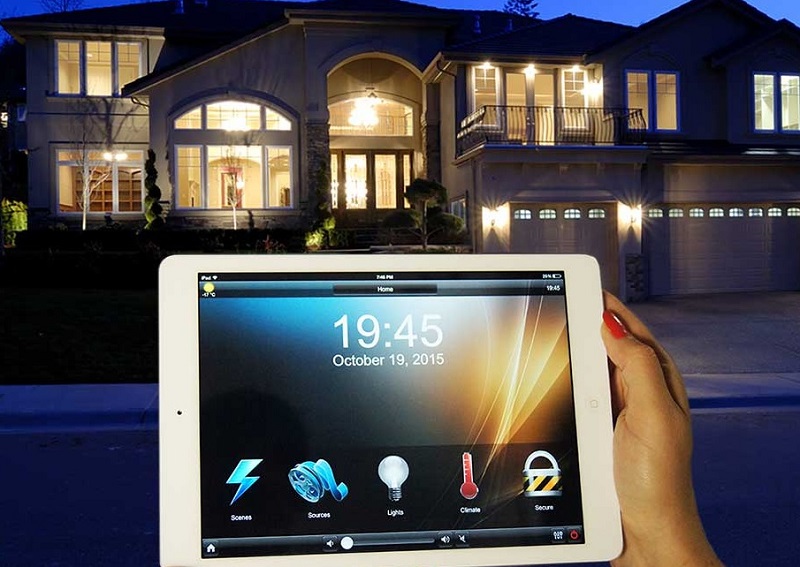
By 2026, smart outdoor lights will no longer simply be color-changing, but will achieve a complete ecosystem: timing systems, remote management, automatic brightness adjustment, interconnection with security systems, and intelligent sensor lighting. For example, driveway lights can automatically increase brightness when a vehicle is detected, while terrace lights can automatically turn on according to sunset time. These technological advancements will make people's lives more convenient.
3. Minimalist Style Continues to Dominate Outdoor Architectural Lighting
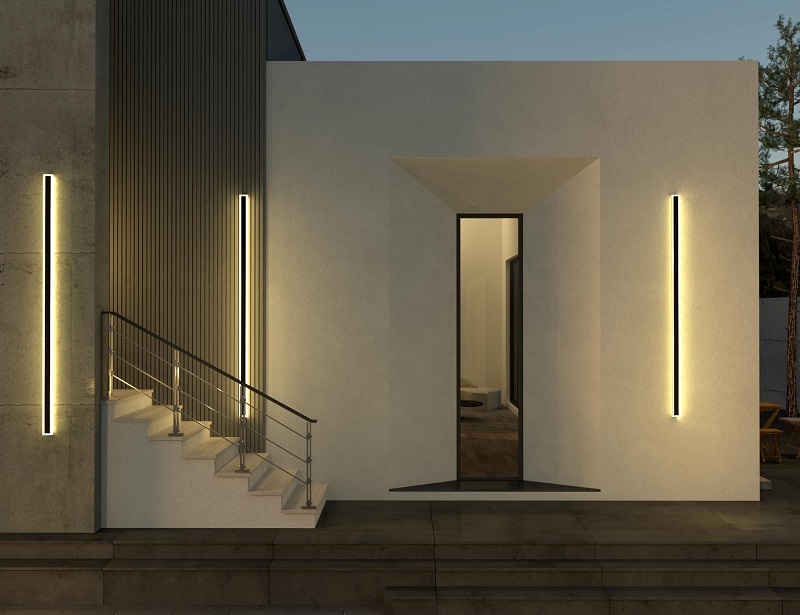
Main design features: compact and slim lamp body, geometric lines, concealed light source, large-area soft light effect, and low-contrast architectural integration. This style is particularly suitable for the facades of modern residences, villas, and boutique hotels, highlighting the building's three-dimensionality and making it more eye-catching.
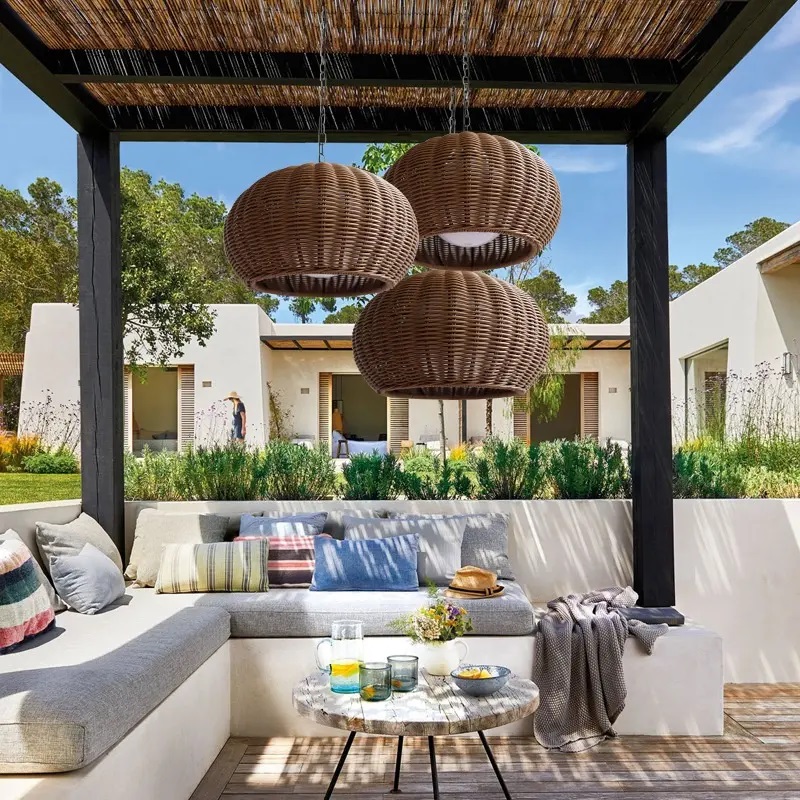
4. The Strong Resurgence of Natural Materials and Hand-woven Lighting Fixtures
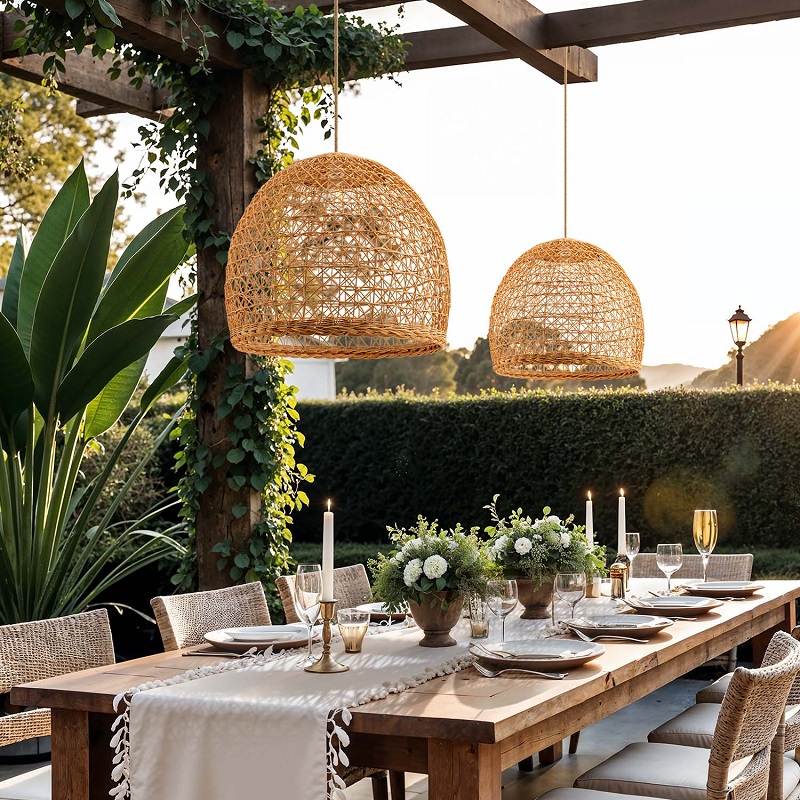
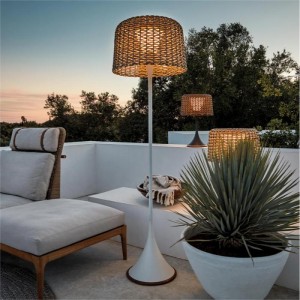
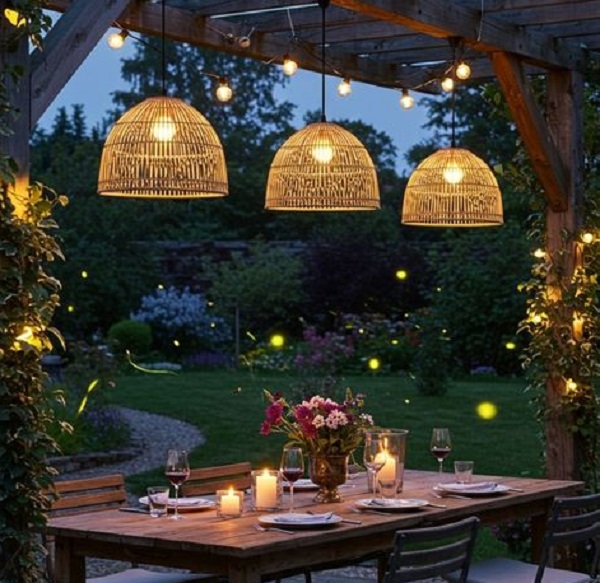
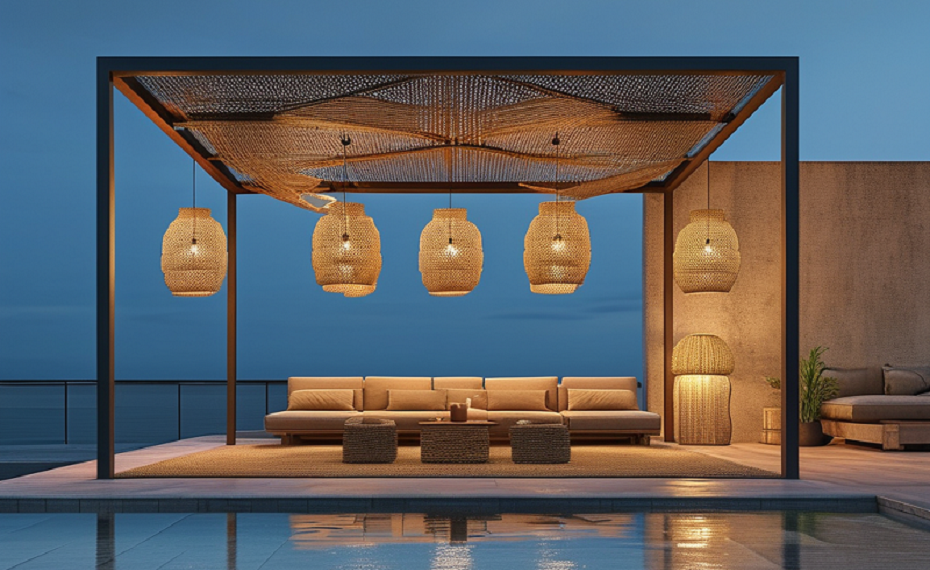
This type of outdoor lighting is particularly suitable for: gazebos, pergolas, terrace dining areas, and coastal or bohemian-style courtyards. It is poised for a new wave of popularity in 2026.
5. Layered Lighting Becomes the New Standard for Outdoor Design
Outdoor lighting in 2026 will emphasize multi-layered light sources to create visual depth.
Common combinations include:
* Ceiling: Pendant lights, lanterns
* Middle layer: Wall lights, string lights
* Ground: Path lights, recessed lights
* Landscape layer: Uplights, wall washers
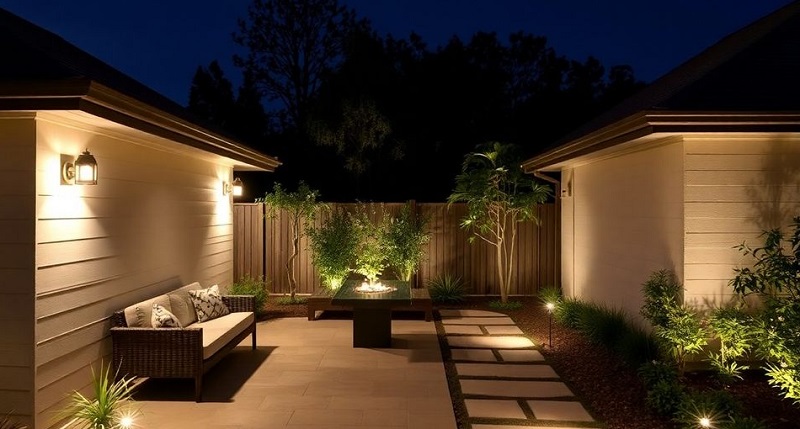
This multi-layered lighting makes outdoor spaces appear more three-dimensional and creates a more emotional atmosphere.
6. Landscape and Tree Lighting Becomes More Refined
As people pay more attention to courtyard landscapes, tree and plant lighting is being given higher aesthetic value:
* Uplights emphasize tree trunk structure
* Spotlights highlight plant layers
* Wall washers illuminate flower bed edges
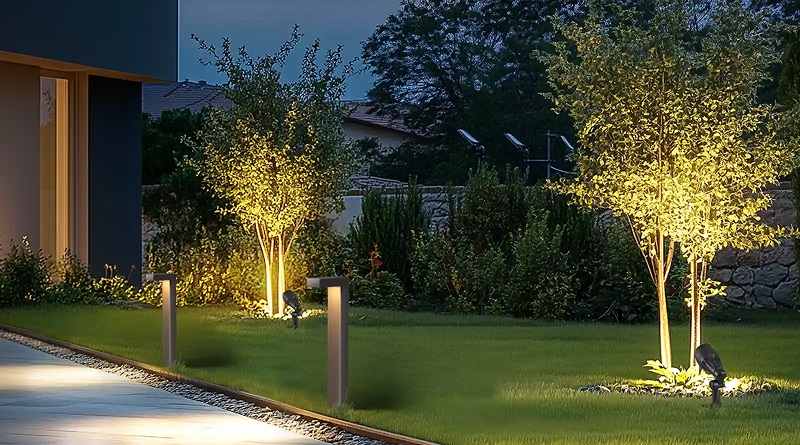
Gardens are no longer just "lit up," but have become visually focal points.
7. Diversification of Outdoor Chandelier and Lighthouse Styles
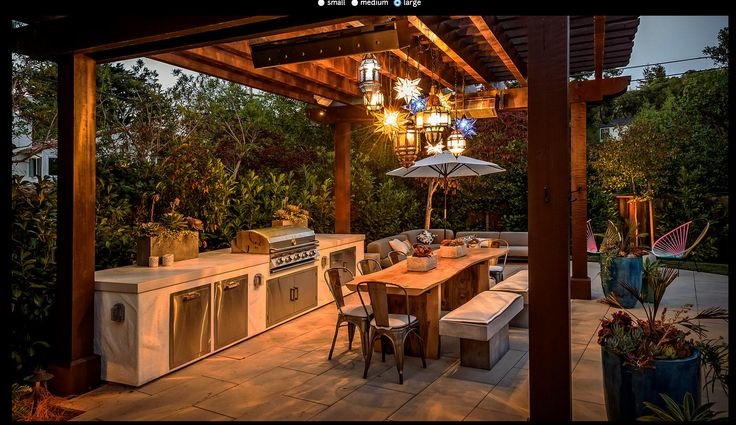
In 2026, outdoor chandeliers will begin to show a more decorative trend, with styles encompassing: modern minimalism, coastal natural, bohemian handcrafted, and mixed materials of metal and rattan. These lights are often used to create outdoor dining areas in homes, giving outdoor spaces a more "indoor-like sophistication."
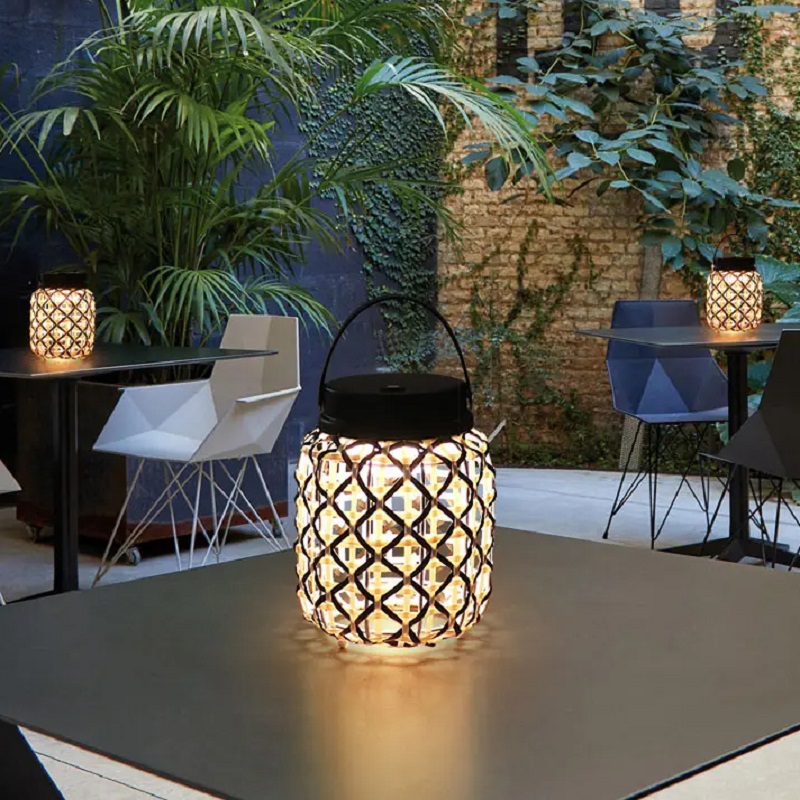
8. Rapid Growth of Portable, Rechargeable Lighting Fixtures
Portable lighting fixtures further enhance the flexibility of outdoor use. Their placement is unrestricted, they can be moved at any time, and they feature universal USB charging and dimming capabilities. These portability features make them increasingly popular in homes, cafes, and outdoor activities.
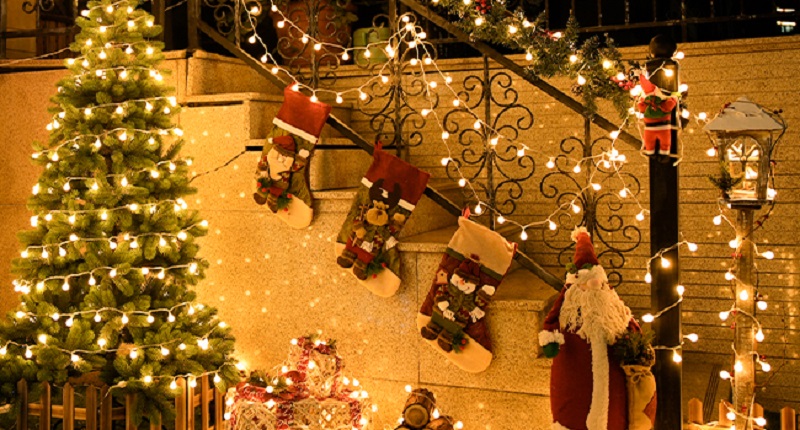
9. Festive ambient lighting is popular year-round.
Not limited to Christmas or celebrations, ambient lighting has become a part of everyday outdoor life: string lights, solar lanterns, fairy lights, and solar-powered ambient lights create a relaxed and romantic atmosphere, perfect for parties and garden decorations.
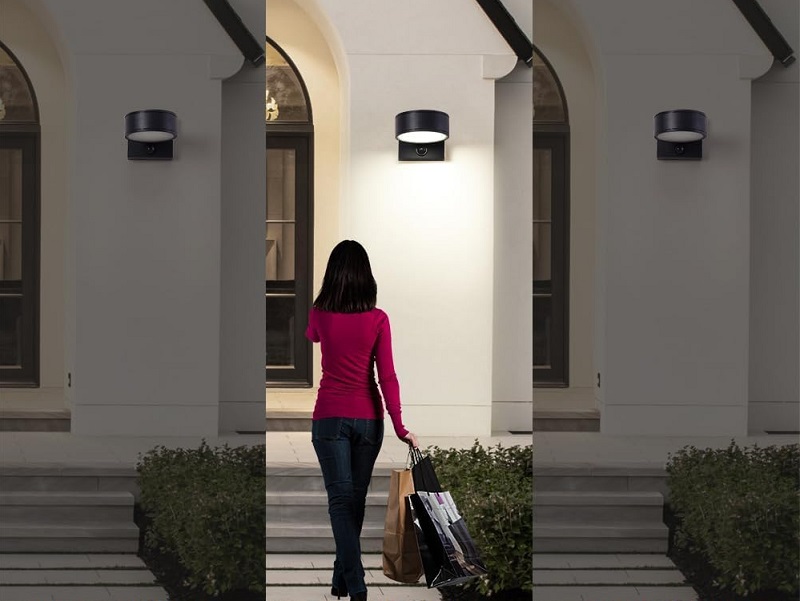
10. Aesthetically pleasing and fully functional safety lighting is becoming standard.
Safety lighting designs are more in line with contemporary aesthetics: simpler lines, thinner lamp bodies, more precise sensing, and better integration with building entrances. Many series also incorporate cameras or smart monitoring functions, providing families with a safer outdoor environment.
III. Outdoor Lighting Strategies for 2026 by Scene Segment
1. Terrace/Patio Lighting Strategy
Creating a 3-Tier Light Structure (A·M·F Model: Ambient / Mid / Focus)
* Ambient Light: Utilize soft surface light sources, such as concealed sidelights or low color temperature solar pendant lights, to make the terrace bright but not glaring.
* Mid-Tier Light: Positioned at the height of the activity area (80–140 cm), using floor lamps or wall-mounted lights to create a "safe brightness zone."
* Focus Light: Add focused lighting to areas such as the dining table, sofa, and plant wall, using downlighting or localized spotlighting.
Visual Temperature Zoning
* Leisure Area: 2700–3000K
* BBQ/Workbench: 3500K (Slightly higher color temperature improves visibility)
* Transition Zone: Maintain the same color temperature as the environment to avoid discomfort caused by excessive color difference.
Glare-Free
* Use light fixtures with shades/woven materials to conceal light spots and soften light patterns.
* Install the fixtures at an angle slightly below eye level to avoid direct light into the eyes.
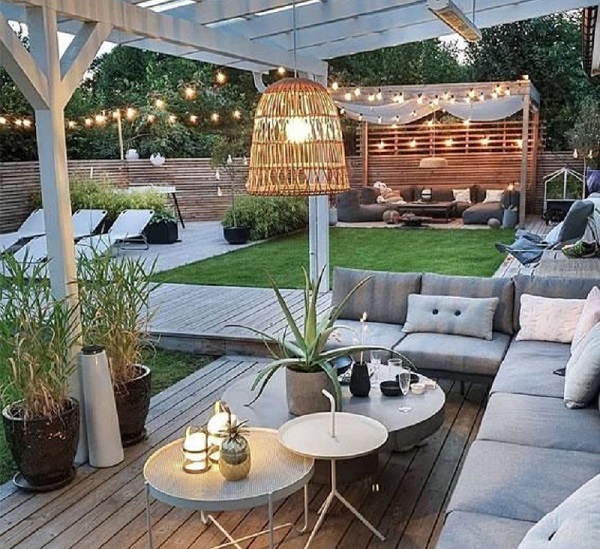
Material Atmosphere
* Rattan and synthetic rattan create "large-area light and shadow textures," enhancing the terrace design.
* Metal light fixtures enhance the modern feel, but matte or brushed surfaces should be used to reduce reflections.
2. Garden Lighting Strategies
Creating a Sense of Spatial Extension Using "Light Corridors"
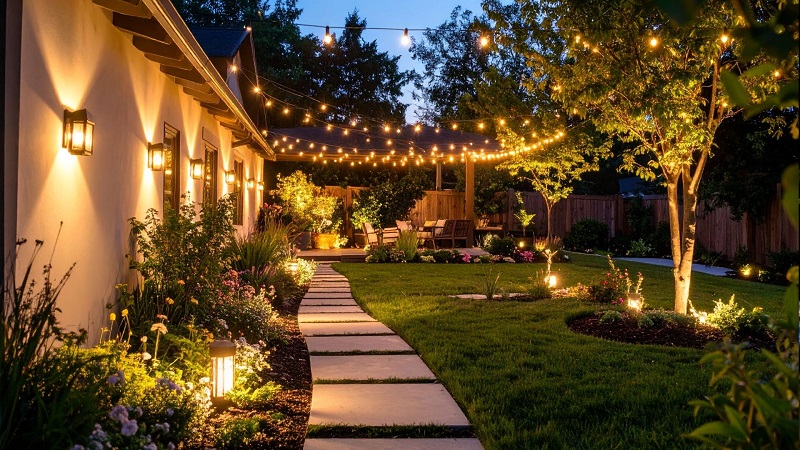
* Use low-profile lights or ground-mounted lights along the main garden paths, spaced 1.5–2.5 meters apart.
* For small lawns, use "staggered lighting" to avoid resembling an airport runway.
Employing "Plant Light Sculpture"
* Illuminate tree trunks or bamboo from below, creating a three-dimensional structure (Uplighting).
* Use side lighting for flowering shrubs to create soft, natural shadows and avoid overexposure.
Combining Multiple Light Source Directions
* Vertical light (for trees) + horizontal light (for paths) + spot light (for decorative objects)
* 2026 outdoor lighting trends emphasize multi-dimensional lighting instead of a single light source to illuminate the entire garden.
Waterproofing, Moisture Control, and Insect Repellency Strategies
* Prioritize warm-colored light (2700K) to reduce insect attraction.
* Lighting fixtures in low-lying areas of the garden should meet IP65–IP67 protection standards.
* Lighting fixtures located away from wetlands/densely vegetated areas should have enclosed solar panels to prevent water ingress.
3. Courtyard Lighting Strategies
Building Layers with a "Center Point + Boundary Lines" Approach
* Center Point Light Source: Such as courtyard table lamp or rattan solar lantern as the core ambient light.
* Boundary Line Light Sources: Utilize wall lamps, path lights, and low pillar lights to enhance the spatial outline.
Shaping Space with Light and Shadow Contrast
* Courtyards are typically small spaces, it is recommended to create a bright focal point while keeping the surrounding area appropriately dark to create ambiance.
* Avoid excessive overall brightness, which can make the space appear flat.
Smart Light Control Integrated with Living Areas
* Choose lights with automatic activation (PIR sensing) at entrances and exits.
* Lights surrounding the courtyard should automatically reduce brightness to 30-40% at night.
* When guests arrive, the lighting in the path or entrance areas should automatically sense this and increase to 100% brightness.
4. Poolside Lighting Strategy
"Reflected Light" Principle
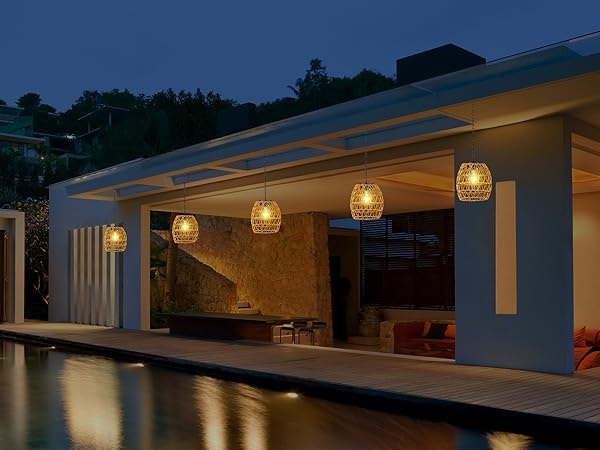
* Direct illumination of the water surface is unnecessary, allow ambient light to create a soft, reflected light effect.
* Always avoid shining lights directly into people's faces in the water to prevent glare hazards.
Light Source Layout
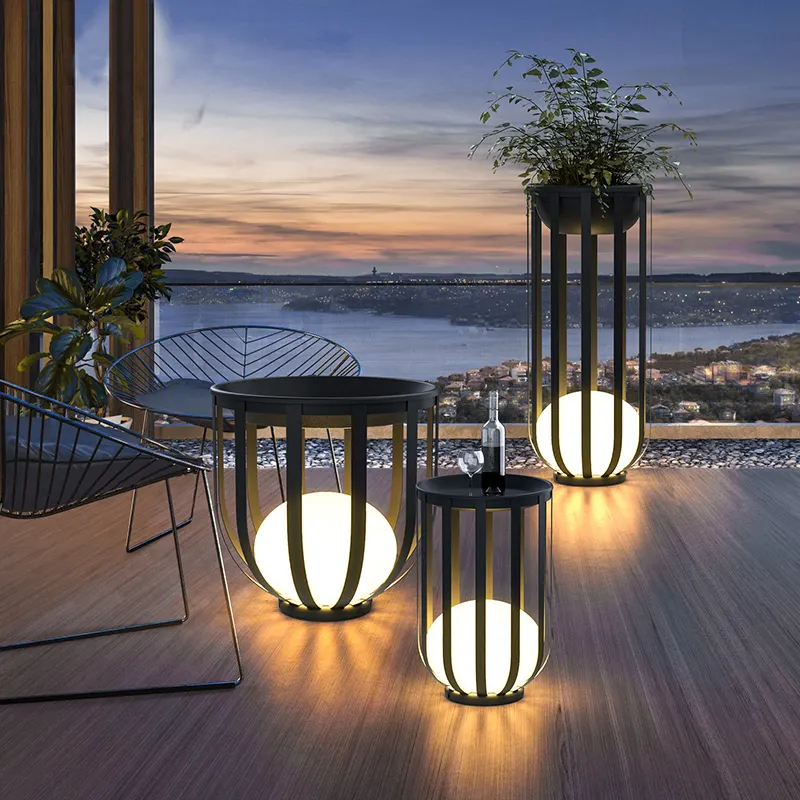
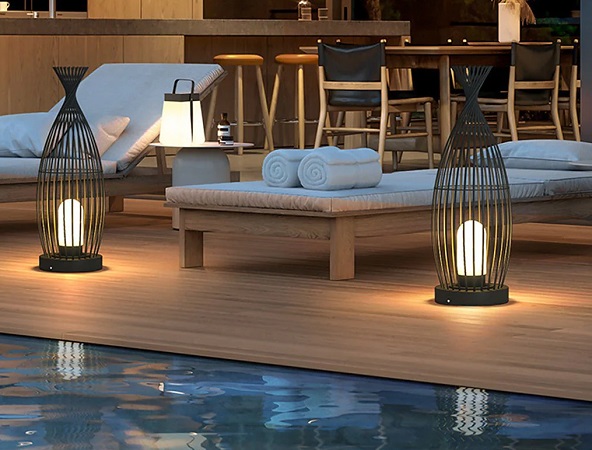
* Use low-level lighting, such as lanterns, in poolside seating areas to enhance safety. High-level lighting, such as warm woven floor lamps, can also be used for reading, drinking, and relaxation.
* Use low-saturation warm light in plant/landscape areas to create visual focal points and enhance aesthetics.
Compliant Safety Standards
* Lighting fixtures around water must have a minimum IP67 rating (briefly immersable).
* Solar lights must have reliable anchoring structure to prevent damage from falls into the water.
5. Outdoor Pathway Lighting Strategies
Maintain Rhythmic Lighting Pattern
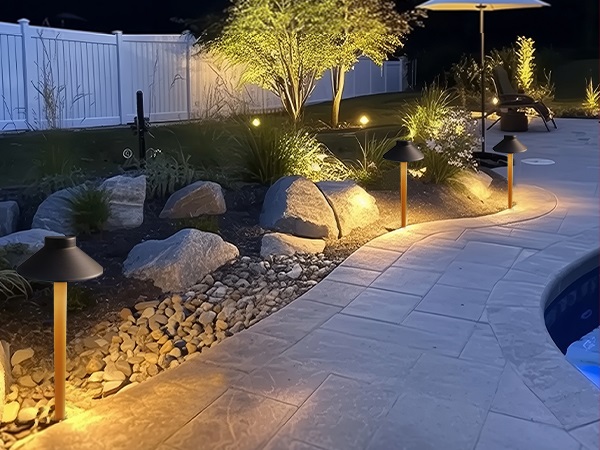
* Use an equidistant lighting strategy (standard practice). This is key; it determines the aesthetic appeal.
* Use randomized, staggered lighting in more natural gardens to create a natural, irregular atmosphere.
Lighting Height and Angle
* Pathway lights are typically no more than 60cm high.
* Tilt the light head 15–30° to avoid direct light into the eyes.
Functionality First + Atmosphere Consideration
* The core function of pathway lighting is to guide direction and provide a safe environment.
* After visual needs are met, enhance the decorative aspect through functional elements such as the material, appearance, and color of the lighting fixtures.
6. Outdoor Lounge/BBQ/Party Area Strategy
Creating a Party Atmosphere Through "Light and Color Layering"
* Maintain a warm color (2700K) for the main light, and add subtle amber or low-brightness RGB ambient lighting to decorative lights (not dazzling colors, but accent lighting).
Arranging Lighting Brightness According to Function
* BBQ Grill: 3500–4000K neutral warm light to improve visibility.
* Bar Area: Use low-diffusion pendant lights (3000K–3500K) for localized focused lighting to enhance texture.
* Lounge Area: Requires soft lighting (2700K–3000K), such as rattan lamps with light and shadow texture effects.
Portable Light Sources
* Use portable solar-powered table lamps, handheld lamps, floor lamps, etc., to meet the flexibility of the party.
* The portable light maintains an adjustable brightness of 20–100% to suit the needs of different activity areas.
Recommended outdoor lighting materials for 2026: powder-coated aluminum, outdoor-specific PE braided rope, synthetic rattan, waterproof bamboo, stainless steel, and other materials with strong weather resistance.
V. Common Outdoor Lighting Issues in 2026
1. What are the most popular outdoor lighting trends in 2026?
Solar energy, smart lighting, natural material lights, minimalist architectural lighting, and multi-level lighting remain the most popular.
2. Are solar lights suitable for all outdoor areas?
They can be used in most areas, but low-energy LED lighting is more suitable for areas with more shade.
3. Can rattan lamps be used outdoors long-term?
Yes, as long as they are made of waterproof and mildew-resistant outdoor-grade rattan or synthetic rattan materials, they can be used outdoors for a long time.
4. Which lighting fixtures are suitable for improving outdoor safety?
Wall lights, path lights, and motion-sensor security lights are the most common safety lighting solutions for entrance areas.
5. How to make a garden more layered at night?
A three-dimensional combination of path lights, uplights, and string lights is the best approach.
Conclusion:
Outdoor Lighting in 2026 = Natural Feel × Smart Experience × Sustainable Living
Outdoor lighting design is evolving towards greater human-centered design, aesthetics, and efficiency. From soft, natural rattan pendant lights to zero-wiring solar lamps; from minimalist architectural lighting to layered landscape lighting, every trend is making outdoor spaces more livable, comfortable, and personalized.
If you are planning to upgrade your outdoor areas, by choosing suitable lighting materials, combining multi-layered lighting structures, and using more energy-efficient lighting modes, your terrace, garden, or courtyard will radiate a more captivating charm at night.
Post time: Nov-11-2025